
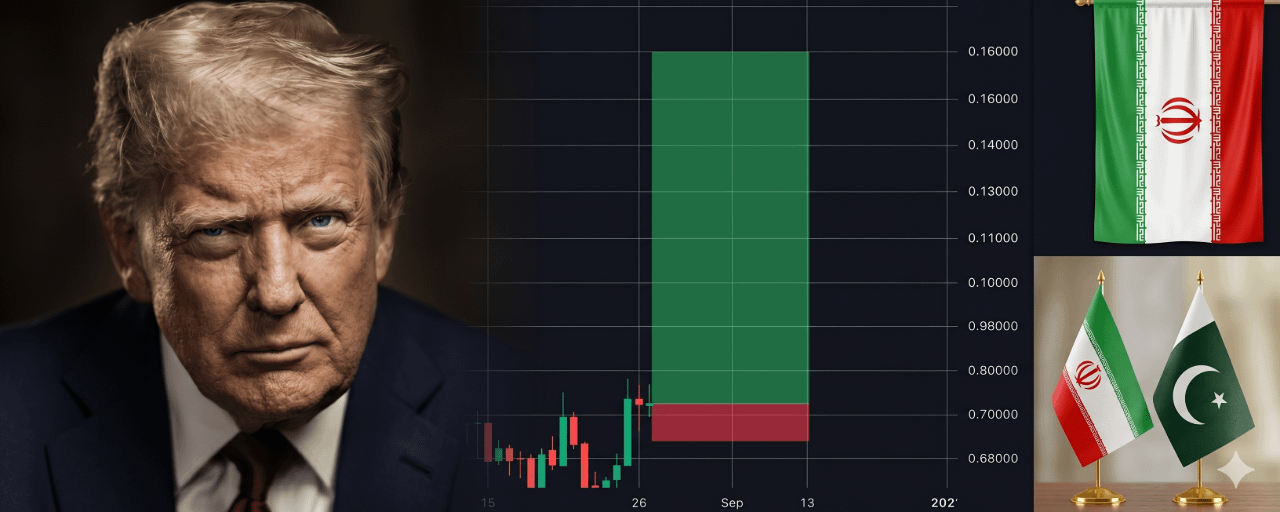

Tension is building as the April 22 deadline approaches, with Iran making it clear that the era of temporary truces is over. The latest stance signals a strategic shift—no more short-term extensions, only a comprehensive agreement that delivers tangible outcomes. Tehran’s demands are not subtle: meaningful sanctions relief, formal recognition of its nuclear framework, and the removal of naval pressure. This isn’t just diplomacy anymore; it’s a calculated move to redefine leverage at a moment when global attention is fragmented and timing matters.
On the other side, the United States continues to project confidence, signaling that a deal is “close” while maintaining maximum pressure tactics. This contradiction creates a high-stakes negotiation environment where perception is as important as reality. The refusal to ease strategic constraints while promising progress introduces uncertainty into already fragile discussions. Meanwhile, Pakistan emerges as a quiet but critical intermediary, holding one of the last remaining trusted channels between both sides. Whether backdoor diplomacy can produce a breakthrough—or simply delay escalation—remains unclear.
As the clock runs down, three pressure points dominate the narrative: the possibility of a last-minute extension, the risk of disruption in the Strait of Hormuz, and whether optimistic signals are grounded in real progress or tactical positioning. Markets are extremely sensitive to geopolitical instability, and any escalation could trigger rapid volatility across risk assets. However, periods of uncertainty have historically created asymmetric opportunities for those positioned early.
Moral: Markets don’t wait for clarity—they reward those who understand tension before it resolves.
Bullish Outlook: If even a partial resolution or temporary easing emerges, liquidity could return aggressively, fueling a strong upside wave across digital assets. Smart money doesn’t chase certainty—it accumulates during doubt.
