
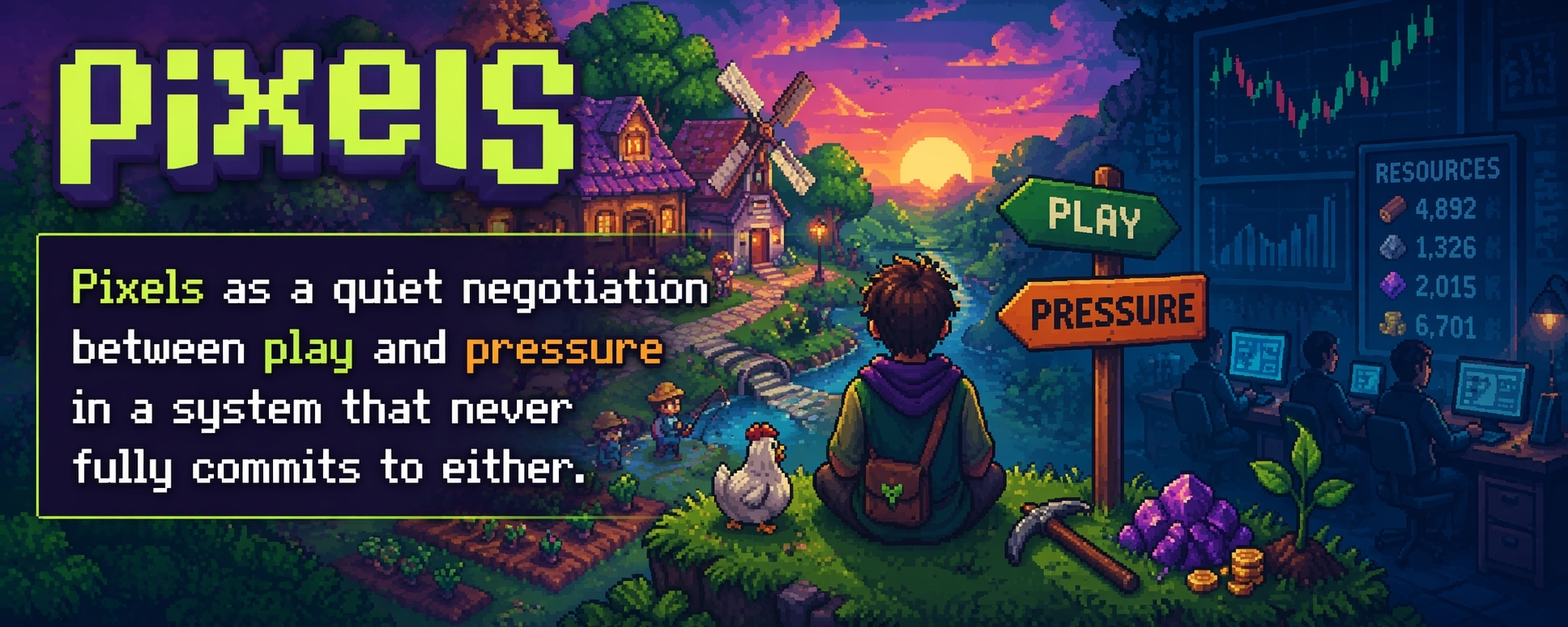

Pixels is one of those projects I keep finding myself circling back to, not because it feels definitive or especially polished in any final sense, but because it sits in that uncomfortable middle space where a game, an economy, and a social structure are all trying to exist inside the same frame without fully agreeing on what they are supposed to be.
I’ve been watching how people actually move through it over time, and what stands out is how quickly the surface language of “playing” starts to fade. People still say it, but the behavior underneath shifts into something more procedural. You log in, you tend to things, you optimize cycles, you check what changed while you were away. It doesn’t feel dramatic. It feels routine. And routine is often where the real shape of these systems shows up.
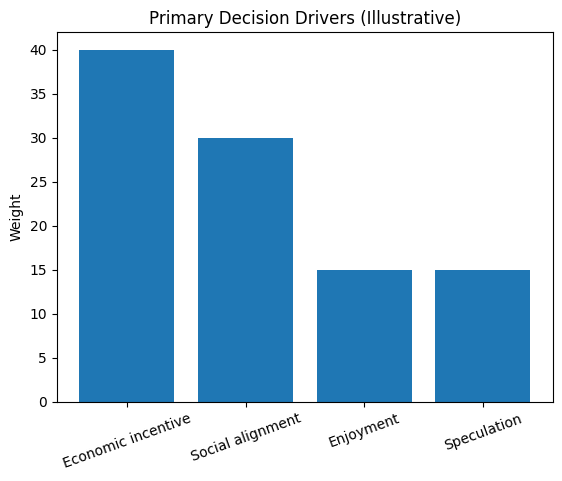
What I keep noticing is that the economy doesn’t sit on top of the game—it seeps into it. Every action starts to carry a second layer of meaning. Not just what it does in the game, but what it implies for position, timing, and opportunity. Even small decisions begin to feel like they belong to a wider coordination problem. And once that happens, the idea of “fun” becomes harder to separate from “efficiency,” because both are competing for the same attention.
The social layer follows the same drift. Groups form, dissolve, reform again, but not always around identity or shared enjoyment. More often, they form around shared exposure to risk and reward. Who is doing what, who is holding what, who is waiting for what—these become the quiet organizing questions. It doesn’t feel like community in the traditional sense. It feels more like distributed coordination under shifting incentives, where trust is less emotional and more operational.
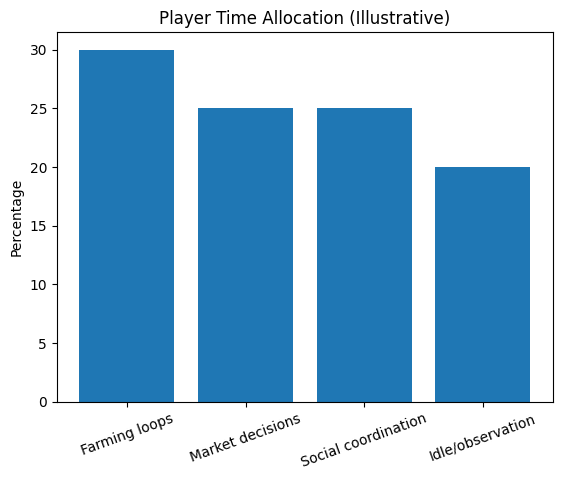
I’ve seen this pattern in enough crypto-linked systems now that it doesn’t surprise me, but it still interests me. Incentives don’t just influence behavior; they slowly redefine what participation even means. At first, people enter with curiosity or speculation or both. Over time, that shifts into maintenance. You stop asking whether you’re enjoying it in any simple way and start asking whether stepping away would cost you more than staying engaged.
That’s where Pixels feels most revealing to me—not in its design surface, but in that gradual tightening of involvement. Progression stops feeling like a path forward and starts feeling like deeper embedding. You don’t just advance through systems; you become more entangled in them. Your decisions begin to depend on other people’s timing, and their timing depends on yours, and suddenly the experience is less about individual action and more about staying in sync with something constantly adjusting.
There’s always this quiet question underneath Web3 games like this: what actually holds them together when the novelty fades? It’s rarely just gameplay. And it’s rarely just economics either. It ends up being a kind of unstable blend of habit, expectation, and coordinated belief that the system will continue to matter tomorrow the way it matters today. That belief doesn’t have to be loud. In fact, it usually isn’t. It just needs to persist long enough to keep participation from breaking apart.
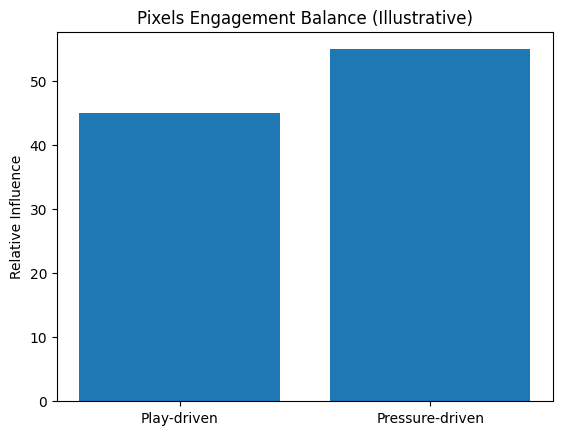
I keep thinking about how fragile that can be, because crypto environments are unusually sensitive to shifts in attention. A change in rewards, a shift in token dynamics, a new competing narrative—any of these can subtly reorganize behavior faster than traditional systems would allow. And yet, despite that fragility, some projects don’t immediately collapse. They adjust. They absorb pressure. They continue in altered form.
Pixels feels like it’s living inside that kind of ongoing adjustment. Not resolved, not stabilized, but also not disappearing. Just continuously negotiating what it is under the weight of how people are actually using it.
And maybe that’s the part I find hardest to reduce into conclusions. Because it doesn’t present itself as a success story or a failure. It presents itself as a process—one where players, incentives, and design keep quietly reshaping each other, and where the final shape is never really final at all.