
Iran’s decision to reject a proposed second round of negotiations has added a new layer of uncertainty to an already fragile geopolitical landscape. Officials in Tehran signaled that current conditions are “not conducive” to continued dialogue, citing unresolved disputes and what they describe as a lack of meaningful concessions from opposing parties.
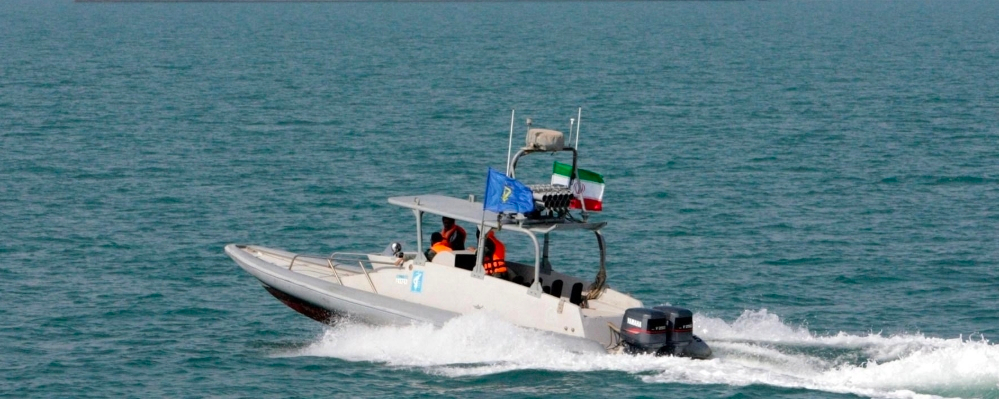
The move comes at a time when tensions in the region are already elevated. Strategic waterways such as the Strait of Hormuz remain under close watch, as recent incidents involving commercial vessels have raised concerns about the stability of global energy supply chains. Analysts warn that diplomatic breakdowns could further heighten risks in one of the world’s most critical transit corridors.
Negotiations—largely centered around Iran’s nuclear program and sanctions relief—have faced repeated setbacks in recent years. While earlier rounds showed limited progress, disagreements over verification mechanisms, timelines, and economic guarantees have continued to stall momentum. Western officials had hoped a second round might revive dialogue, but Iran’s rejection signals a hardening stance.
Regional observers suggest the decision may be part of a broader strategic recalibration by Tehran, possibly aimed at strengthening its negotiating position or responding to internal political pressures. At the same time, global markets are reacting cautiously, with energy traders closely monitoring developments that could disrupt oil flows.
The international community is now left weighing its next steps. Diplomatic channels remain open, but the rejection underscores the growing complexity of reaching any near-term resolution. Whether this pause leads to renewed engagement or further escalation will likely depend on shifts in both regional dynamics and international diplomacy in the weeks ahead.#iran #TrendingTopic