


But the more I watch it, the more it feels like we’re optimizing spreadsheets instead of actually playing games 🤔
Been digging into Pixels Tier 5 update, and honestly… this isn’t just new content. It’s a shift in how the entire game behaves.
Most projects think more rewards = more players.
Reality? More rewards = faster exploitation + broken balance.
@Pixels is trying something different.
Instead of just printing rewards, they’re focusing on resource flow making sure assets circulate, not just stack.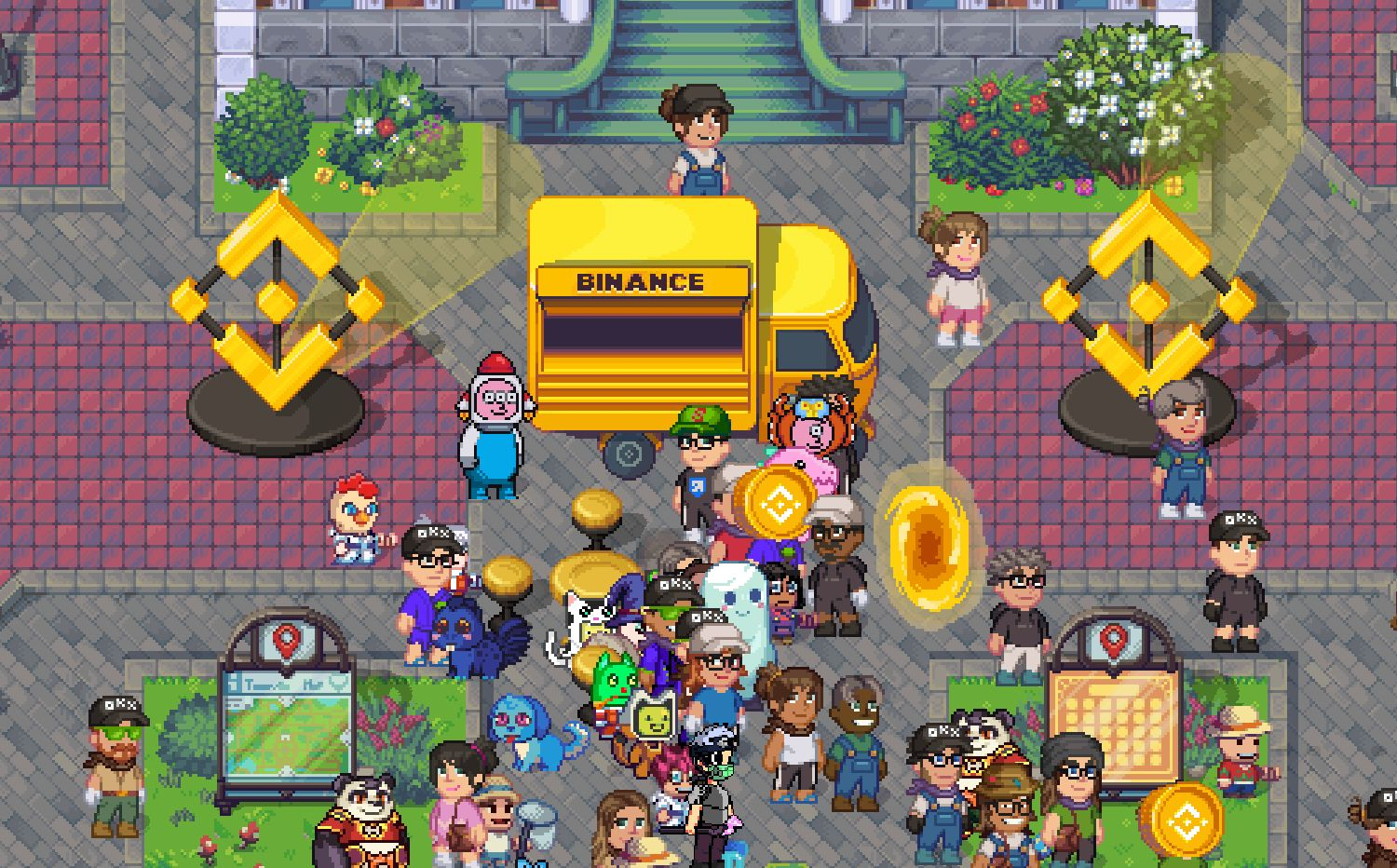
Sounds simple… but almost no one does it.
Because let’s be real:
Most Web3 games turn into farming loops → earn → dump → repeat.
At that point, it stops being a game.
What caught my attention is their idea of forcing players to burn old assets to create new ones.
Good for the economy, sure…
But here’s the catch:
Once players start thinking in ROI, every action becomes optimization.
If you’re destroying what you built just to maximize profit…
are you still playing? Or just managing a system?
That’s the thin line Pixels is walking.
They’re also layering the economy instead of replacing it deeper systems, more loops, tighter resource control.
In theory:
Better gameplay → stronger attachment → healthier economy.
In reality?
Players aren’t always rational.
Too much pressure (upkeep, durability, limits) and the whole loop breaks.
And none of this matters if real players don’t stick around.
That’s the real challenge:
Not designing the system… but keeping people engaged long enough for it to work.
To their credit, Pixels does understand the core problems:
– Inflation from endless rewards
– No real sink mechanisms
– Incentives shaping player behavior
And they’re actually trying to fix it structurally, not just patch over it.
Same goes for $PIXEL it can’t survive as just a reward token.
It needs to capture real value from the ecosystem, or we’ve seen how that story ends…
Big vision though:
Pixels isn’t just building a game, it’s aiming to be an economic platform inside a game.
That’s ambitious.
And risky.
Execution will decide everything here.
Best case?
One of the few sustainable Web3 games.
Worst case?
Over-engineered system that forgets what made games fun.
Either way… at least they’re not copying the same broken model.
And that alone makes it worth watching 👀