

If you’ve spent time in Web3 gaming, you’ve probably seen how quickly things can rise and fall. A new project launches, rewards look exciting, users join fast — but within months, the system becomes unsustainable. Rewards get farmed, bots take over, and real players slowly leave.
That’s why I started looking more closely at projects that are not just launching tokens, but actually solving these core problems. And one of the most interesting examples right now is $PIXEL, built by @Pixels.
At first, $PIXEL looked like a typical in-game currency. It powered a single ecosystem, mainly tied to the Pixels game. But over time, it has started to evolve into something much bigger — a reward layer for a growing network of games.
This shift is happening through what @Pixels is building with its Stacked ecosystem.
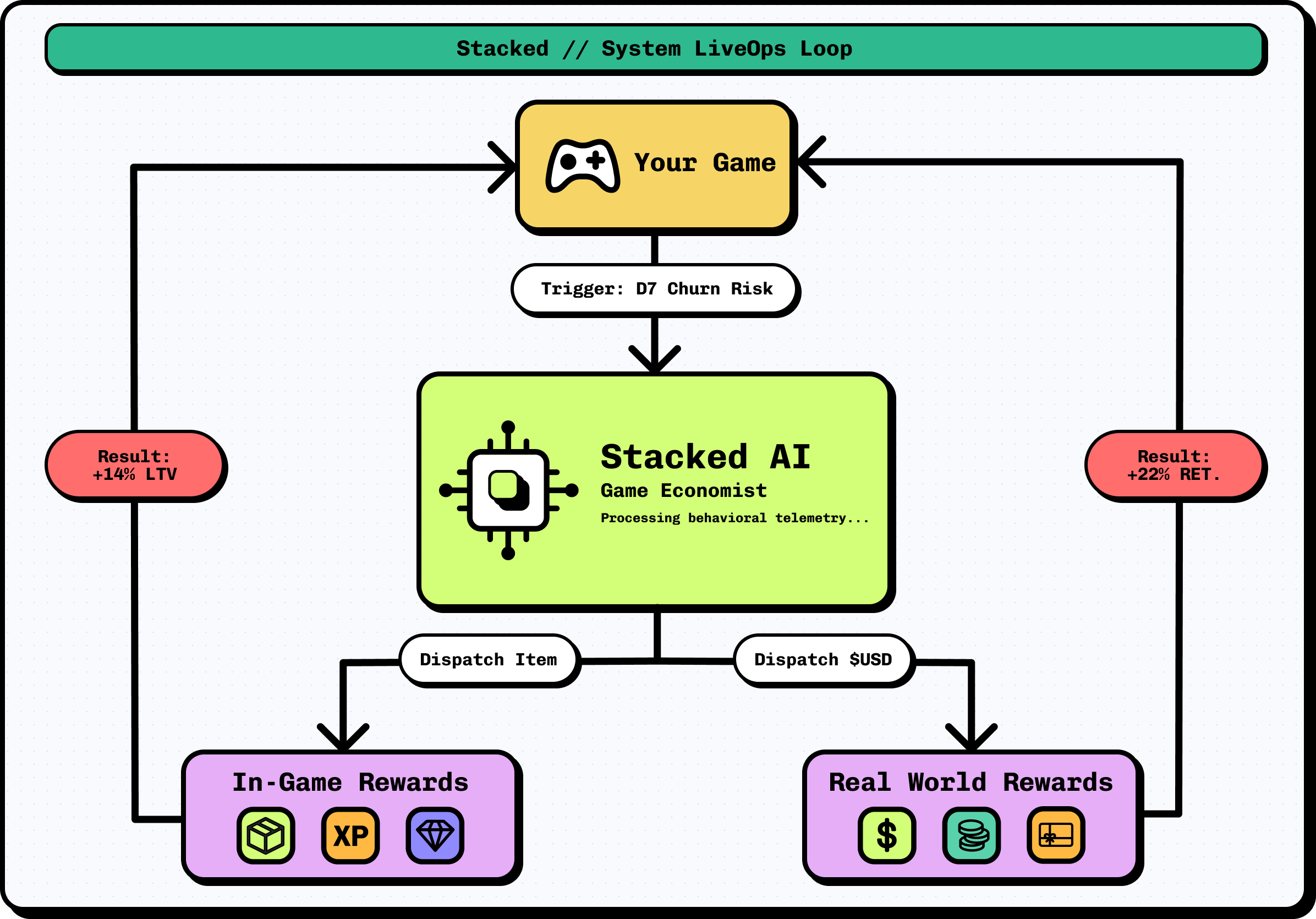
Stacked is not just another rewards feature. It’s a system designed from real experience — built after going through the exact failures that most play-to-earn models face. Instead of giving rewards randomly, it focuses on precision and sustainability.
The core idea is simple:
👉 Reward the right player, at the right time, with the right incentive.
But executing that idea requires data, infrastructure, and constant iteration.
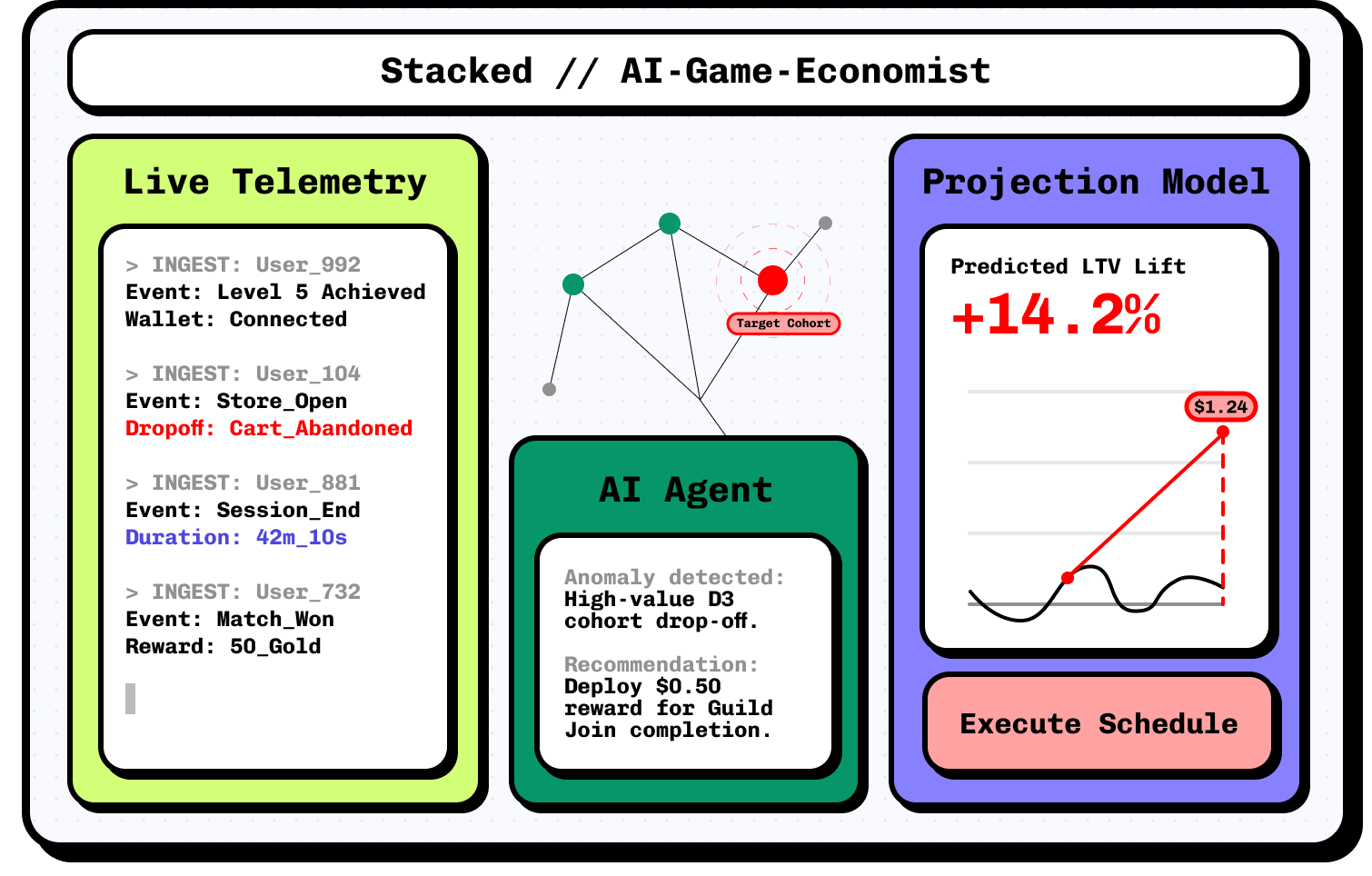
Stacked uses an AI-driven approach to analyze player behavior. It looks at how users interact, when they lose interest, and what actions keep them engaged. Based on this, it helps games design reward strategies that actually improve retention — not just inflate short-term numbers.
And this is where $PIXEL becomes important.
Rather than being limited to one game, $PIXEL is gradually becoming a shared currency across this ecosystem. As more games plug into Stacked, they can use $PIXEL as part of their reward system.
This creates a powerful network effect:
More games join → more use cases for $PIXEL
More players earn and use it → stronger demand
Stronger demand → healthier ecosystem
Another major shift is how value flows within the system.
Traditionally, gaming companies spend huge amounts on advertising to acquire users. But Stacked introduces a different model — where that budget can be redirected into rewards for players who actually engage with the game.
This means players are no longer just users. They become active participants in the economy.
If $PIXEL sits at the center of this reward loop, its role becomes much more meaningful than just being a tradable token.
Also, one of the strongest points here is that this system is already working. It’s not just an idea written in a whitepaper. The @Pixels ecosystem has already distributed millions of rewards and generated real revenue using these mechanics.
That kind of real-world validation matters a lot in Web3, where many projects are still in the experimental stage.
Another thing worth mentioning is the long-term defensibility.
Building a sustainable reward system is not easy. It requires:
Anti-bot protection
Fraud detection
Deep behavioral analytics
Continuous balancing of incentives
These are things that take years to refine. And since @Pixels has already been operating at scale, it has a clear advantage over new entrants trying to build similar systems from scratch.
From a broader perspective, $PIXEL is moving in an interesting direction:
It’s shifting from a single-game token → to an ecosystem-level asset → to potentially a core part of Web3 gaming infrastructure.
And that’s a much bigger narrative.
If Stacked continues to grow and more developers adopt it, $PIXEL could become deeply embedded in how rewards and engagement are handled across multiple games — not just one.
In a space where most projects chase short-term attention, this kind of long-term, system-level thinking stands out.
For me, that’s what makes @Pixels and $PIXEL worth watching closely right now.
#pixel $Pixel