
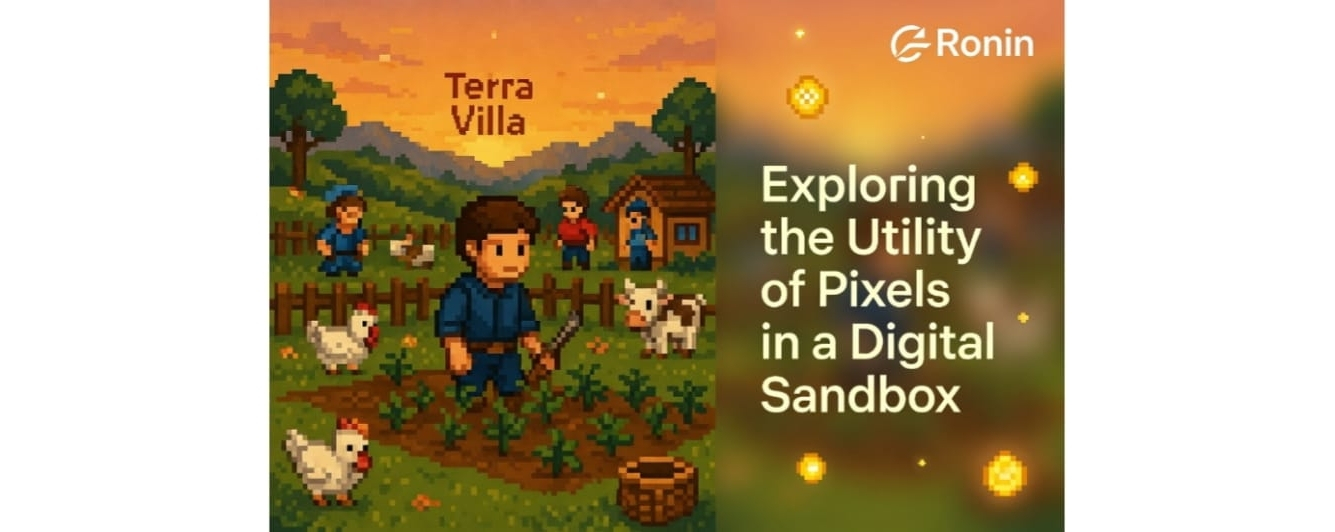
I have to admit, when I first heard about Pixels, I thought it was just another cute farming game with some crypto mixed in. But after spending real time in it, my personal opinion is that this game feels different. It is not only about growing crops and earning tokens. It gives you a real sense of building something in a living digital world. The way everything connects through the Stacked ecosystem makes it feel more thoughtful than most play-to-earn projects I have tried. I enjoy the relaxed vibe, but I also see the smart work behind it to keep players coming back without making everything feel like a job.
Pixels is basically a social farming game on the Ronin network. You start with a small plot and build it pixel by pixel. You plant crops, take care of animals, craft items, explore the open world called Terra Villa, and hang out with other players. It feels cozy, like those old relaxing games you play on your phone to unwind after a long day. But because it is on blockchain, your land, items, and progress can actually belong to you. The main token is PIXEL, which you use for premium stuff like VIP membership, minting special pets, staking for rewards, and taking part in bigger ecosystem activities.
Now let me talk about the utility of pixels in this digital sandbox. Every little square you place or build has real purpose. It is not just decoration. Your pixels create farms that produce resources. Those resources turn into items you can sell or use to level up skills. In the Stacked ecosystem, things go even further. Stacked works like a smart reward system that connects multiple games. It uses AI to understand player behavior and gives rewards in a balanced way. So instead of dumping tokens everywhere and causing crashes, it tries to make earning feel fair and sustainable. You can play Pixels, earn rewards, and even see those rewards work across other games that join the Stacked layer. That utility turns simple pixels into something bigger—like building blocks for your own little empire inside the game.
One thing I really like is how it mixes fun with real ownership. For example, if you own NFT land, you get better yields from your farm and extra benefits. But even free-to-play players can join guilds, borrow land access, and still enjoy the game. I remember one evening I spent hours just decorating my plot with friends. We were chatting, trading crops, and helping each other complete tasks. That moment gave me a warm, happy feeling—like being part of a friendly village. The emotions are genuine here. You feel proud when your crops grow big, excited when you craft something rare, and connected when you see other players walking around the same world. It is not cold like many crypto games. It has soul.
But let me be honest about the advantages and disadvantages too.
Advantages first. The game is easy to jump into—no need to buy expensive NFTs right away. The art is bright and welcoming, which pulls in people who normally do not touch crypto. The Stacked ecosystem is a big plus because it solves one of the worst problems in Web3 gaming: broken rewards. Instead of everyone farming tokens and selling immediately, Stacked looks at retention patterns and engagement. It makes the economy feel more alive and less like a quick pump-and-dump. $PIXEL has clear utility in staking, premium features, and now across multiple games. As more studios join Stacked, the token could see steady demand instead of wild swings. Plus, the social side is strong—guilds, events, and shared worlds make it fun to play together. I have made a few online friends just by trading in the marketplace.
Disadvantages are there too. Retention can be a real problem for some players. At the beginning it feels fresh and exciting, but after weeks the daily tasks can start to feel repetitive. You water plants, harvest, craft, repeat. If you do not own land or VIP, earning $PIXEL gets slower, which makes some people lose interest and quit. I saw friends drop off because they wanted faster progress but did not want to spend money. Another issue is the learning curve for new players. Onboarding is not perfect—you might feel confused about wallets, Ronin network, or how to convert rewards at first. And like any crypto project, there are risks. Token prices go up and down a lot. If the broader market crashes, your in-game earnings lose value quickly. There is also the risk of over-farming or economy imbalances if too many players rush to extract rewards without giving back to the system. In the past, some Web3 games died because rewards drained the treasury too fast. Pixels tries to fix this with Stacked and by separating regular gameplay coins from the main $PIXEL token, but it is still early days and nothing is guaranteed.
Let me give you a clear example from my own experience. Last month I decided to focus on one crop type and level up my crafting skill. I spent evenings in the game, joined a guild, and used the marketplace to trade. The joy of seeing my farm grow and earning a small amount of PIXEL felt rewarding. But when I wanted to cash out, gas fees and market dips reminded me of the risks. On the emotional side, I felt proud of my progress, but also a bit frustrated on slow days when rewards were low. That mix of feelings is what makes it human. It is not just numbers on a screen—you get attached to your little pixel world.
Another example is how Stacked changes things. In regular play-to-earn games, rewards often run out fast and players leave. But here, Stacked acts like a live operations tool. It studies what keeps people playing and adjusts rewards smartly. For studios, it helps launch sustainable systems without reinventing the wheel. For regular players like me, it means better long-term chances to earn while actually enjoying the game. Still, if you treat it only as a money machine, you might get disappointed. The real value comes when you play for fun first and treat earnings as a nice bonus.
Risks go beyond price too. There is always the chance of bugs, hacks (though Ronin has improved a lot), or changes in rules that affect your assets. Some players complain about bans without clear reasons, which feels unfair. Retention problems hit harder for casual players who do not have much time. If the daily grind feels like work instead of play, people move on to the next shiny game. That is why the social and emotional parts matter so much—they help keep you logged in even when farming feels slow.
On the bright side, Pixels keeps updating. New chapters, events, and integrations with Stacked show the team is listening and building for the long run. The utility of every pixel you place grows as the ecosystem expands. Your farm is not just a picture—it becomes part of a bigger connected world where your efforts can link to other games and rewards.
In the end, exploring the utility of pixels in this digital sandbox taught me that good Web3 games need more than tokens. They need fun, community, smart economics, and real emotional connection. Pixels is trying hard to deliver all that through its Stacked ecosystem and PIXEL token.
My personal thought:
I really enjoy spending time in Pixels because it feels relaxing and meaningful at the same time. Even with the risks and retention challenges, the cozy world and growing ecosystem make me want to keep coming back.
@Pixels #pixel #Market_Update #TrendingTopic #meme板块关注热点 #Megadrop