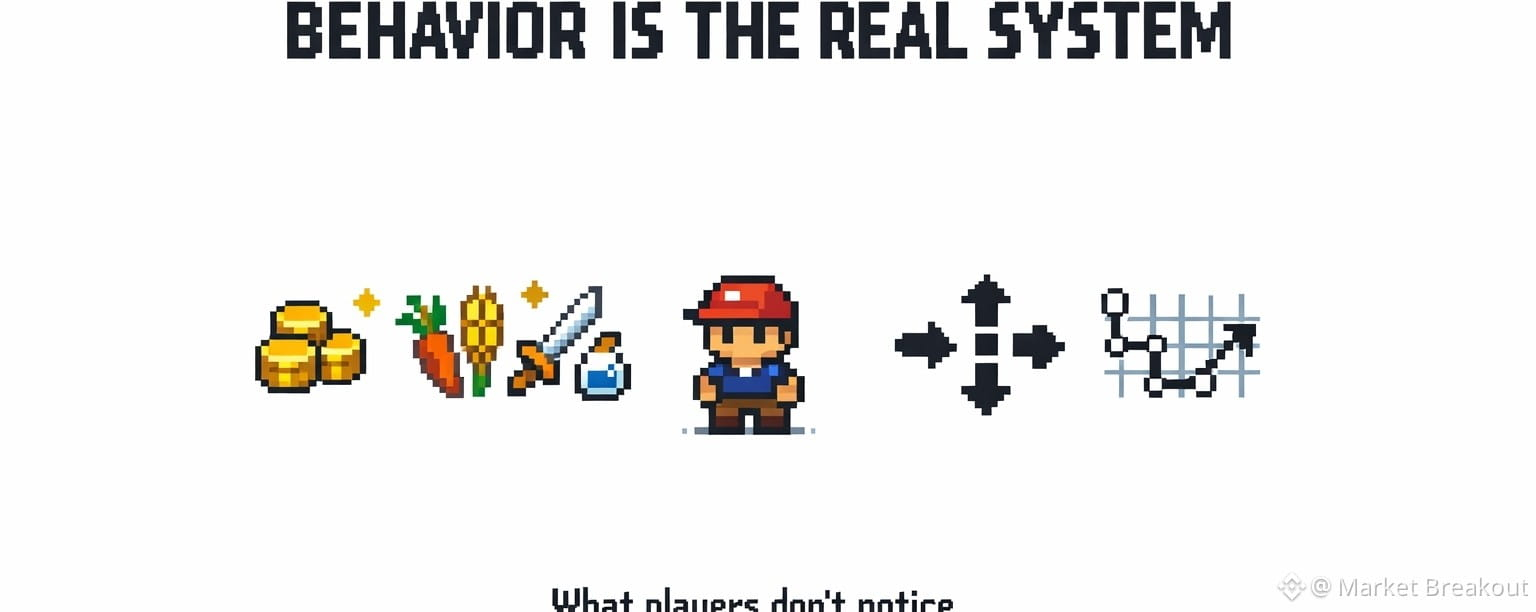
One thing I keep coming back to in @Pixels is not the mechanics themselves, but what those mechanics slowly start doing to player behavior over time.
At a surface level, it still looks like a farming and progression game. You complete actions, you earn rewards, and you upgrade things. The structure is simple and easy to understand.
But when you observe it longer, something more subtle becomes visible.
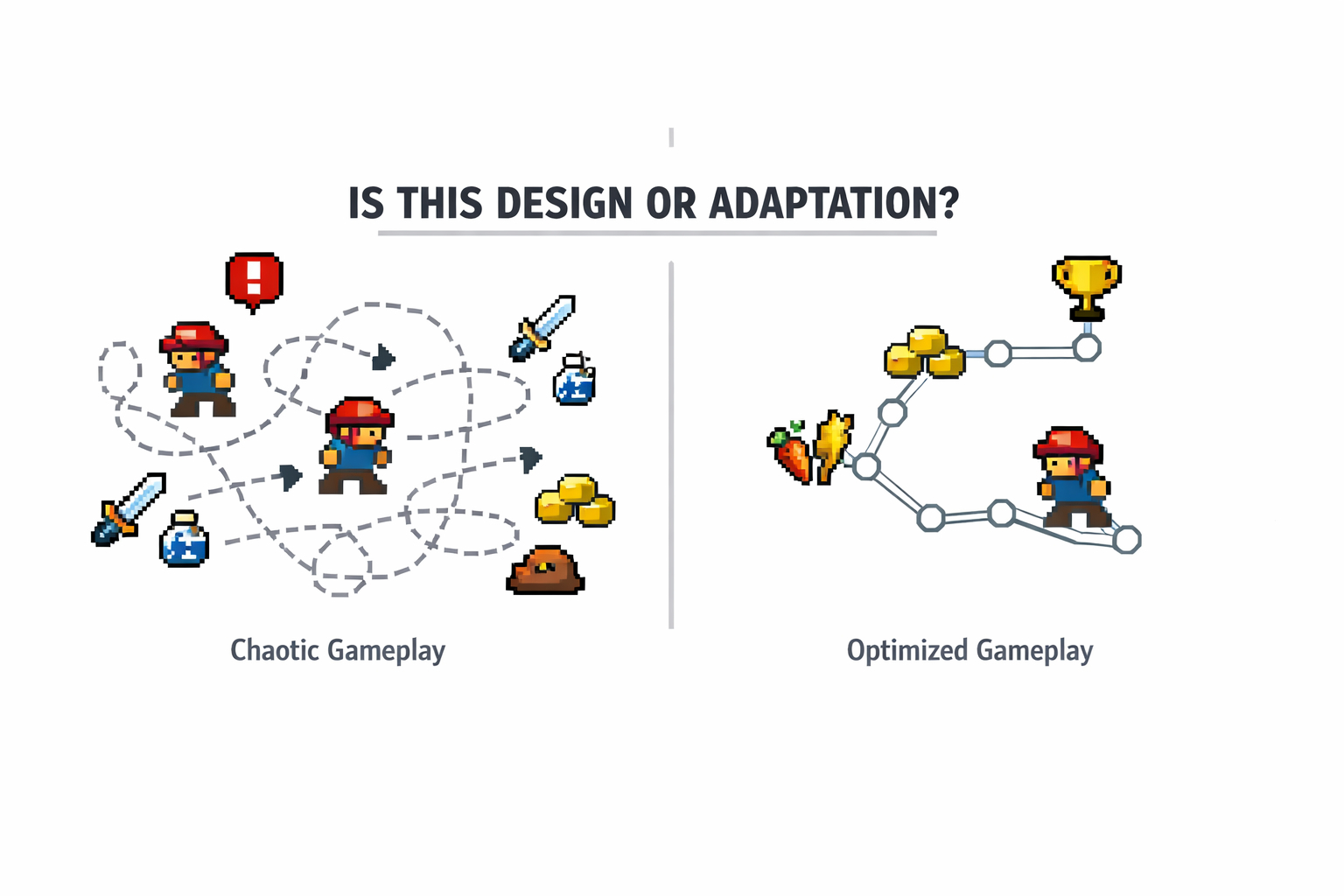
Players don’t just respond to systems. They start adapting to them.
Actions that were once random slowly become optimized.
Choices that were once casual start feeling calculated.
Not because the game forces it directly, but because the reward structure naturally encourages certain patterns over others.
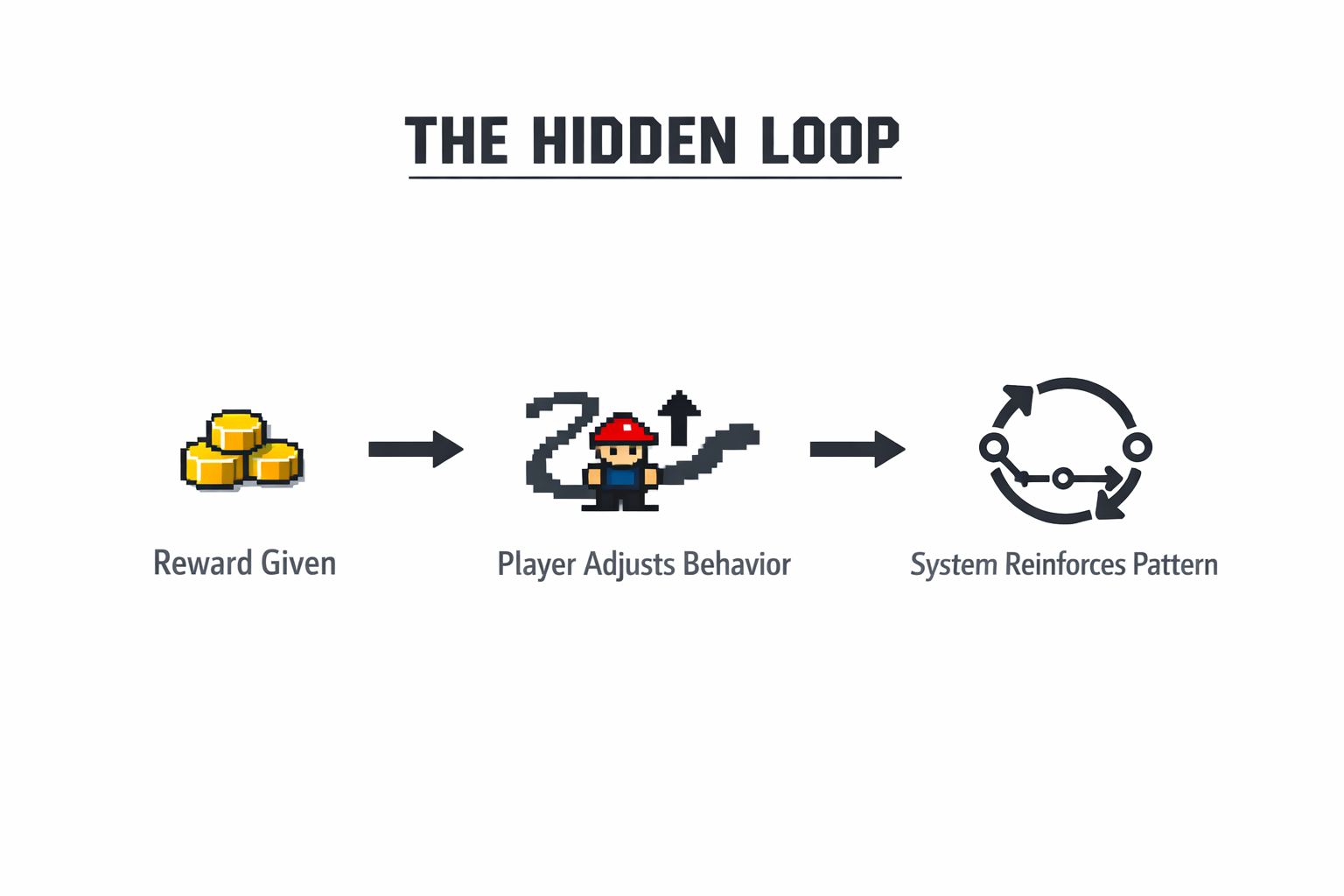
This creates a loop that is not immediately obvious.
The system rewards behavior → players adjust behavior → system reinforces that adjustment.
And over time, that loop becomes stronger than the individual mechanics themselves.
What makes this interesting is that it doesn’t feel forced.
There is no single moment where the change happens. It’s gradual. Almost invisible while it’s happening.
I’m not sure yet whether this is just efficient game design or something deeper about how digital economies naturally evolve when rewards are involved.
Because once behavior becomes predictable, the system becomes easier to optimize… but possibly less organic to experience.
And that’s the part I keep thinking about.
Is the real design in Pixels inside the mechanics… or inside the behavior those mechanics create over time?
I don’t have a clear answer yet.
But I think that question matters more than it looks at first.