
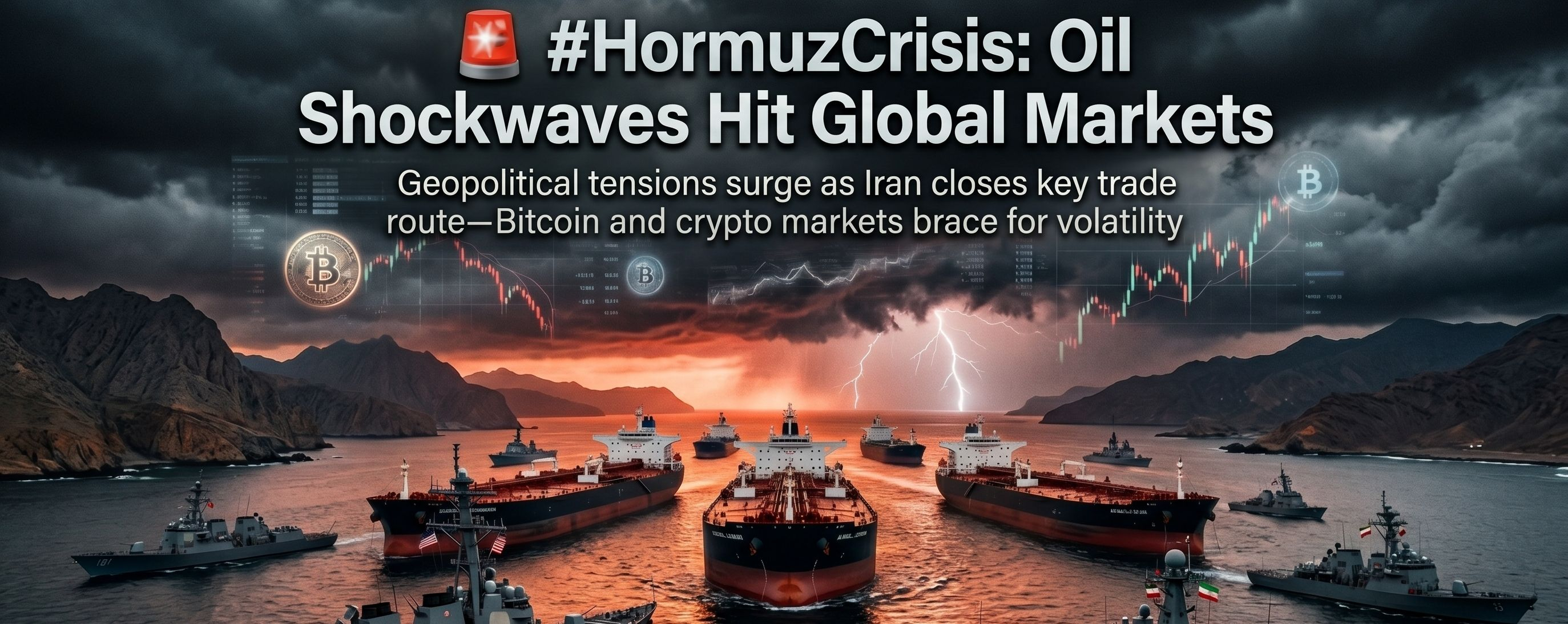
Napięcia na Bliskim Wschodzie znów wzrosły, gdy Iran ogłosił wznowienie zamknięcia Cieśniny Ormuz, ostrzegając, że każdy statek handlowy zbliżający się do strategicznego szlaku wodnego będzie uważany za wrogi i może być celem. Decyzja ta następuje po doniesieniach o wielu incydentach morskich, w tym atakach na tankowce i statki handlowe w i wokół cieśniny.
Korpus Gwardii Rewolucyjnej Islamskiej Iranu (IRGC) oświadczył, że żadne statki nie powinny opuszczać kotwicowiska w Zatoce Perskiej ani w Morzu Omańskim, powołując się na trwające amerykańskie ograniczenia morskie jako powód zamknięcia. To następuje zaledwie dzień po tym, jak irańscy urzędnicy zasugerowali, że kluczowa trasa żeglugi została na krótko otwarta.
Stany Zjednoczone utrzymują blokadę morską na porty irańskie od połowy kwietnia, a urzędnicy potwierdzili, że dziesiątki statków zostały już odwrócone. Waszyngton twierdzi, że presja będzie kontynuowana, dopóki nie zostanie osiągnięte szersze porozumienie, podczas gdy Teheran argumentuje, że blokada narusza istniejący układ o zawieszeniu broni, który wygasa 22 kwietnia.
Tymczasem wciąż pojawiają się doniesienia o eskalacji konfliktu na morzu. Źródła zajmujące się bezpieczeństwem morskim wskazały, że irańskie łodzie wojenne otworzyły ogień do co najmniej jednego tankowca, podczas gdy inny statek został trafiony przez niezidentyfikowany pocisk w pobliżu Omanu. Dodatkowe statki handlowe również zgłosiły, że znalazły się pod ogniem podczas próby przejścia przez cieśninę. Kilka narodów wyraziło obawy, podkreślając rosnące ryzyko dla globalnych szlaków handlowych.
Cieśnina Ormuz pozostaje jednym z najważniejszych punktów krytycznych na świecie, obsługując około 20% globalnych dostaw ropy naftowej i skroplonego gazu ziemnego. W miarę jak dostęp jest teraz ograniczony, rynki energetyczne zareagowały gwałtownie, popychając ceny ropy powyżej 100 dolarów za baryłkę w niektórych momentach kryzysu.
📊 Wpływ rynku kryptowalut & Analiza
Ten szok geopolityczny rozprzestrzenia się daleko poza tradycyjne rynki energetyczne i wchodzi w przestrzeń kryptowalut:
• Narracja Bitcoina jako zabezpieczenia wzmacnia się
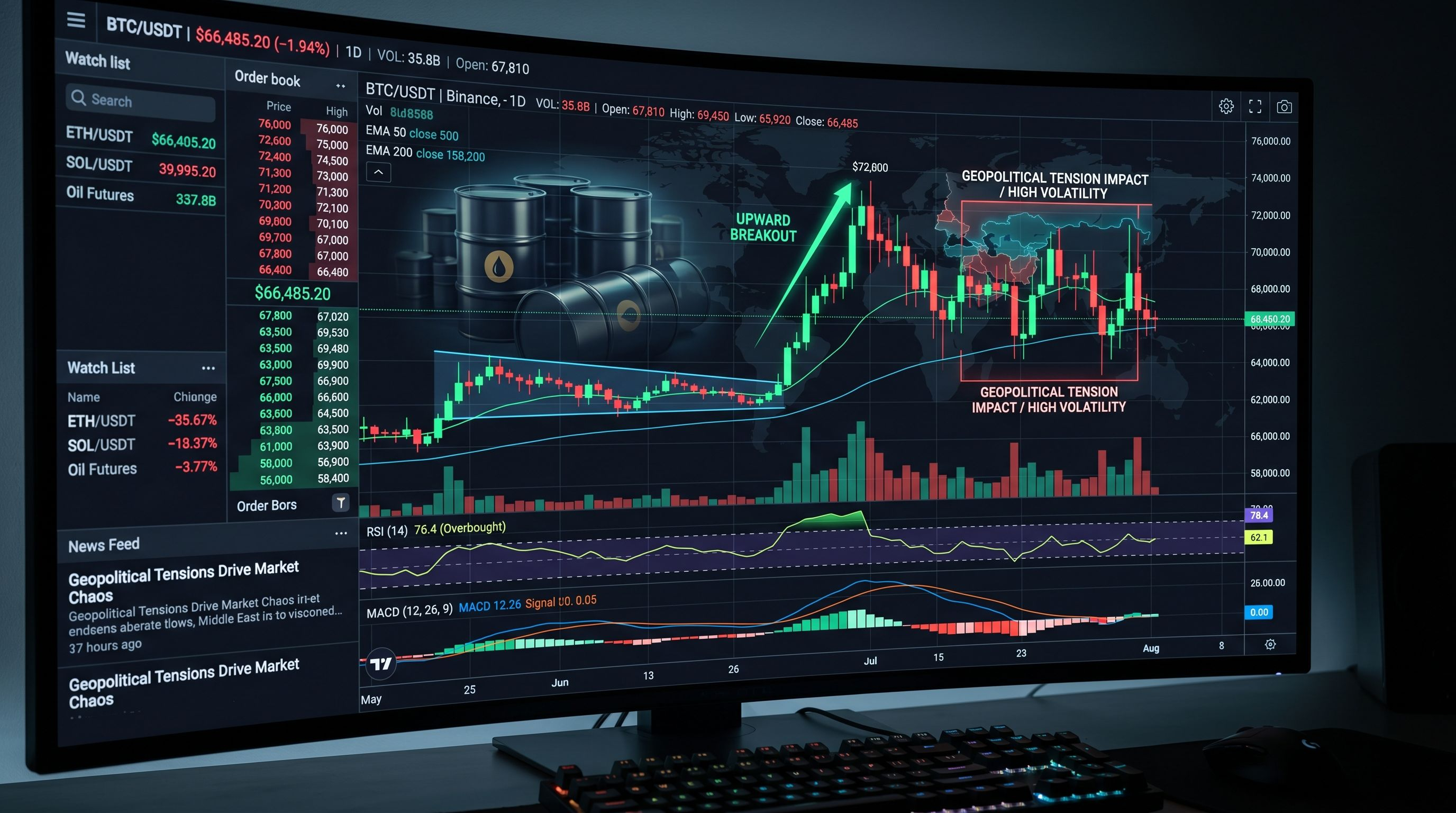
Wzrastająca niestabilność geopolityczna często skłania inwestorów do poszukiwania alternatywnych aktywów. $BTC i inne główne kryptowaluty, takie jak $ETH $XRP zyskują na uwadze jako potencjalne zabezpieczenia przeciwko globalnej niepewności i inflacji spowodowanej wzrostem cen energii.
• Ceny ropy a inflacja a kryptowaluty
Wyższe ceny ropy mogą napędzać inflację na całym świecie. Historycznie, środowiska inflacyjne były korzystne dla kryptowalut, szczególnie Bitcoina, gdyż inwestorzy poszukują nienaładowanych miejsc przechowywania wartości.
• Zmienność rynku przed nami
Traderzy powinni spodziewać się zwiększonej zmienności zarówno na tradycyjnych, jak i cyfrowych aktywach. Nagłe wydarzenia w konflikcie mogą wywołać szybkie wahania cen na rynkach kryptowalut.
• Zachowanie instytucji do obserwacji
Duzi inwestorzy mogą dostosować portfele, przesuwając kapitał między towarami, akcjami a kryptowalutami w zależności od tego, jak długo trwa kryzys.
🔎 Kluczowa konkluzja
Zamknięcie Cieśniny Ormuz nie jest tylko kryzysem energetycznym – to wydarzenie makroekonomiczne o globalnych implikacjach. Wraz z nasilającymi się obawami o podaż ropy i rosnącymi ryzykami geopolitycznymi, rynki kryptowalut mogą zobaczyć zwiększone napływy, ale także zwiększoną zmienność.
Inwestorzy powinni uważnie monitorować zarówno rozwój sytuacji geopolitycznej, jak i reakcje rynków, ponieważ przecięcie globalnego konfliktu i aktywów cyfrowych nadal się rozwija.
#OilPricesRising #GeopoliticsMovesMarkets #Straitofhormuzreclosed #StraitOfHormuzCrisis #AsmatUllahMughal


