
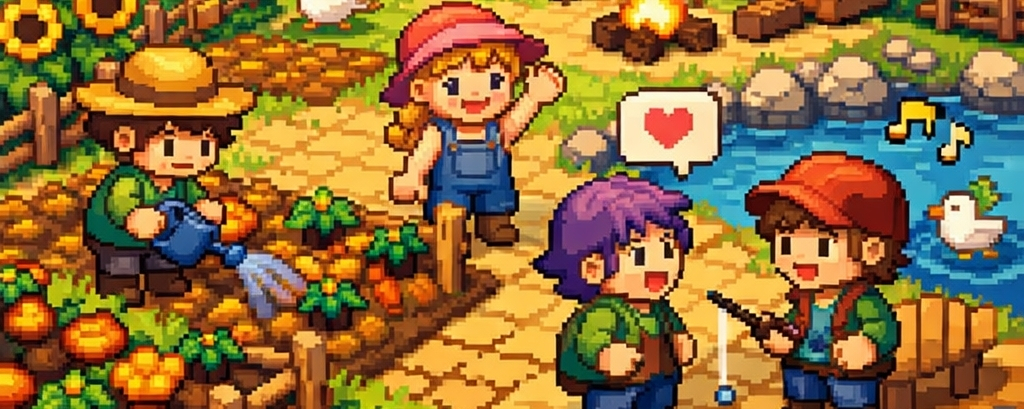
NFT integration is one of the most transformative aspects of Pixels ( $PIXEL token ), turning it from a simple farming game into a true player-owned digital economy. Unlike traditional games where assets exist only within closed systems, Pixels uses NFTs to give players actual ownership of in-game items.
This means land, tools, and resources are not just game elements they are blockchain-based assets that players fully control, trade, and monetize.
At the core of this system are land NFTs and item NFTs. Land NFTs allow players to own virtual farmland where they can grow crops, build structures, and create value over time. Item NFTs, such as tools, upgrades, and collectibles, enhance gameplay and productivity.
These assets are not locked to a single account or platform they can be bought, sold, or transferred freely, giving players flexibility and control that traditional gaming cannot offer. Ownership here is not symbolic it’s real and verifiable on-chain.
This structure enables a player-owned economy, where value is created and circulated by the community rather than controlled solely by developers. Players can trade resources, sell rare items, or even specialize in certain in-game roles like farming, crafting, or trading.
The economy becomes dynamic, driven by supply and demand, just like real-world markets. This not only increases engagement but also creates opportunities for players to generate income through their in-game activities.
One of the most powerful features of NFT integration is the ability to trade, rent, or build on assets. Players can lease their land to others, collaborate on production, or develop their own in-game businesses.
This opens up entirely new gameplay strategies and economic models. Instead of just playing a game, users participate in an evolving ecosystem where creativity, strategy, and ownership combine to create long-term value.