

 The idea of earning while playing games has always sounded powerful. When Web3 gaming first started gaining attention, it promised a shift where players would finally benefit from the time and effort they invested. But as the space matured, it became clear that most early reward systems were not designed for long-term sustainability.
Many projects focused on fast growth. They offered attractive rewards to bring users in quickly, but those systems were often easy to exploit. Bots entered the ecosystem, rewards were farmed aggressively, and economies inflated faster than they could stabilize. Over time, the value of participation dropped, and real players lost interest.
This repeated cycle created a need for something better — a system that doesn’t just reward activity, but actually supports a balanced and lasting economy.
That’s where @Pixels and its evolving ecosystem come into focus, with $Pixel at the center of this transition.
At first glance, $PIXEL may look like a standard gaming token. It powers an ecosystem, enables transactions, and acts as a reward mechanism. But when you look deeper, it becomes clear that its role is expanding beyond a single game.
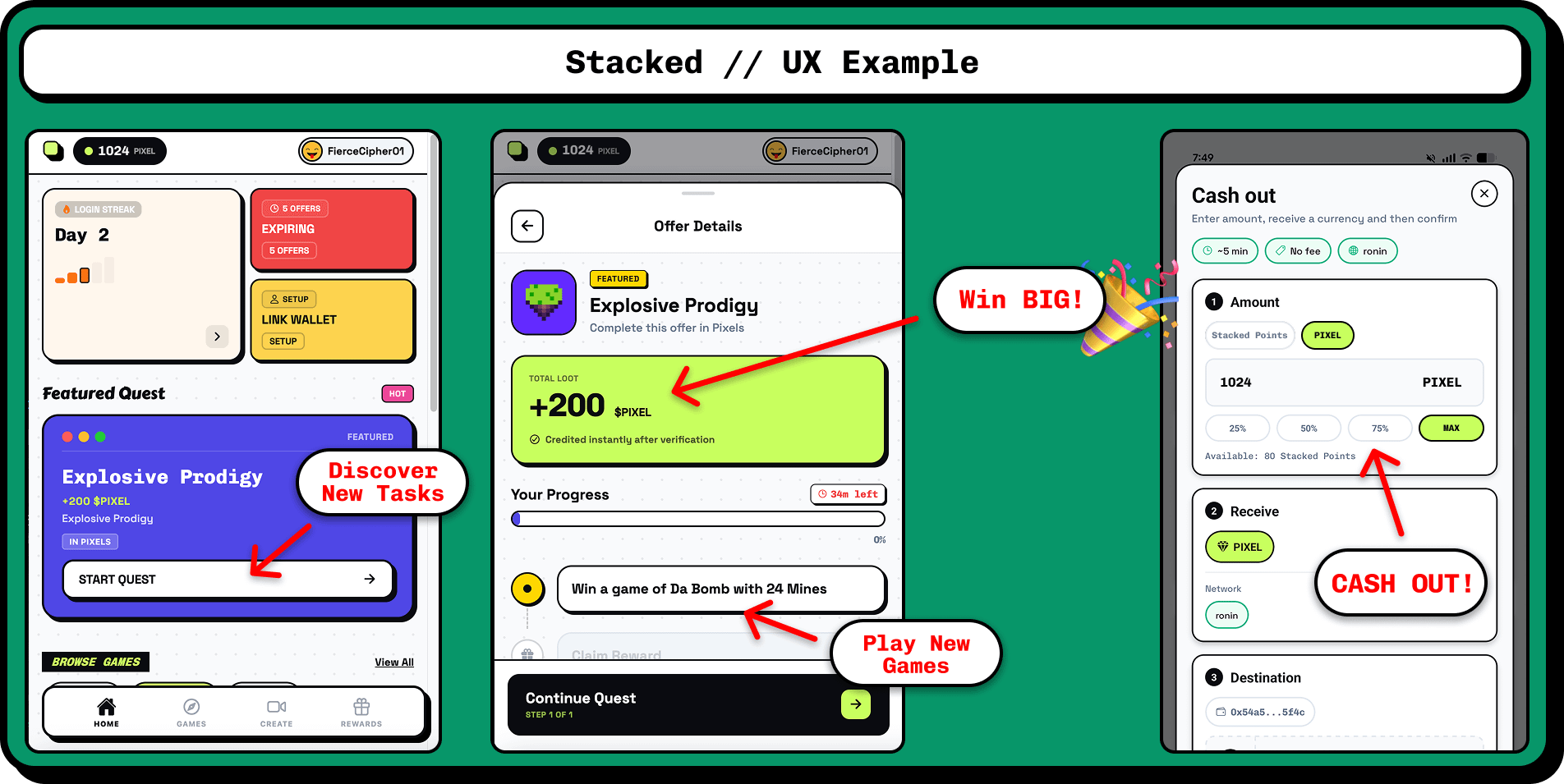
The introduction of the Stacked ecosystem marks a major shift in how rewards are designed and distributed.
Stacked can be seen as a rewarded LiveOps engine, but what makes it unique is its ability to adapt. Instead of fixed rewards, it uses player data, engagement patterns, and behavioral signals to determine how incentives should be given.
This leads to a fundamental improvement: Rewards are no longer random — they are intentional.
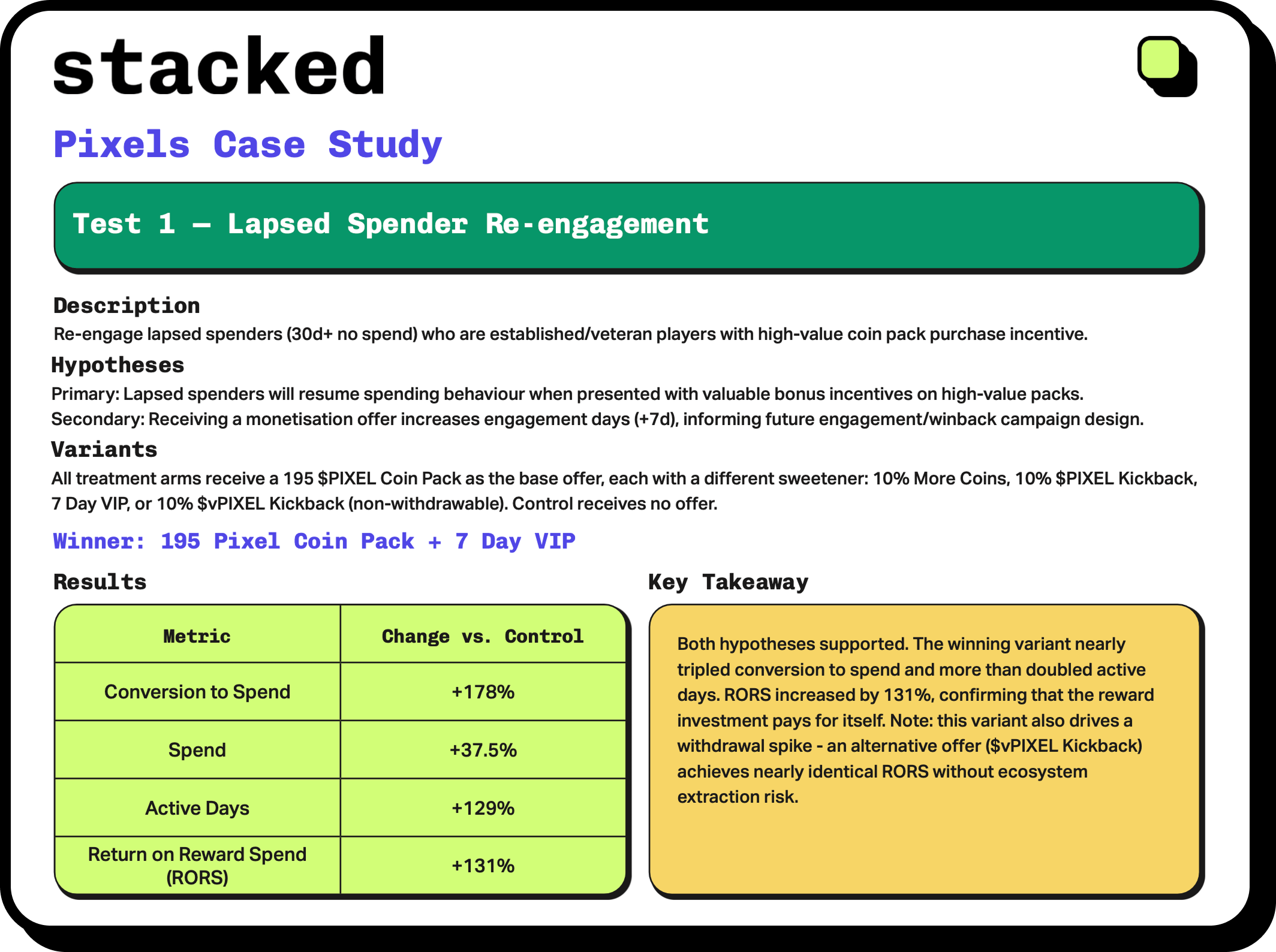
In traditional systems, every player might receive similar rewards for similar actions, regardless of their long-term value. But in a smarter system, rewards can be tailored based on how players interact with the game. This helps ensure that incentives actually improve retention rather than just increasing short-term activity.
For example, a new player might need encouragement to stay engaged, while a long-term player might respond better to progression-based rewards. By recognizing these differences, the system becomes more efficient and more sustainable.
This is also where $PIXEL begins to take on a larger role.
Instead of being limited to one environment, $Pixel is gradually becoming part of a broader network where multiple games can integrate into the same reward infrastructure. As this network grows, the token’s utility naturally expands.
More games joining the system means more opportunities for players to earn and use $PIXEL, which strengthens its position within the ecosystem. This kind of expansion creates a natural demand cycle driven by usage rather than speculation.
Another important aspect to consider is how value flows within gaming ecosystems.
Traditionally, game studios spend large amounts of money on advertising and user acquisition. These budgets often go to external platforms, with limited direct benefit to players. But with systems like Stacked, a portion of that value can be redirected toward rewarding actual users.
This creates a more balanced structure where players are not just consumers, but participants in the economy.
If $Pixel is integrated into this loop, it becomes part of a system where rewards are tied to real engagement. This is very different from models where tokens are distributed without a clear connection to meaningful activity.
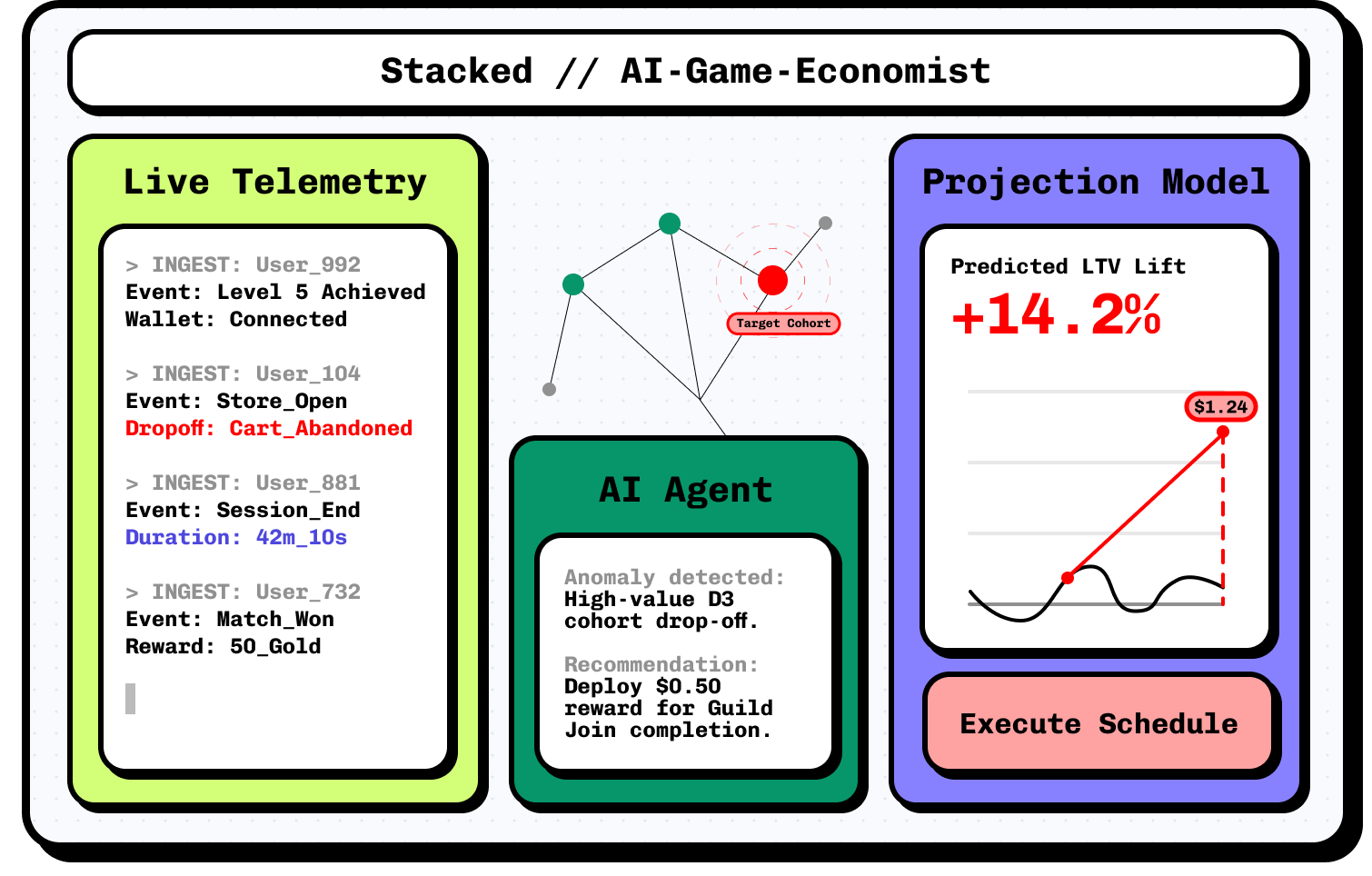
Over time, this approach can lead to stronger ecosystems because it aligns incentives more effectively. Players are rewarded for contributing value, and developers can measure the impact of those rewards more accurately.
Another factor that strengthens this model is its focus on long-term resilience.
Building a sustainable reward system is not easy. It requires protection against bots, mechanisms to prevent abuse, and continuous adjustments to maintain balance. These are not features that can be added overnight — they require real experience and iteration.
The ecosystem around @Pixels has already gone through multiple cycles of testing and improvement. This gives it an advantage, as many of the common weaknesses in play-to-earn systems have already been identified and addressed.
As a result, $Pixel operates within an environment that has been shaped by real-world conditions rather than theoretical assumptions.
This distinction is important because it changes how the token is perceived.
Instead of being just another asset tied to a single project, $PIXEL becomes part of a broader infrastructure. It supports a system that can be used across different games, different player groups, and different reward strategies.
From a long-term perspective, this creates a stronger foundation.
When a token is connected to multiple use cases, its relevance increases. When it is part of a system that continuously adapts, its sustainability improves. And when it is backed by an ecosystem that has already been tested in live conditions, its credibility grows.
All of these factors contribute to a different kind of narrative — one that is not based on short-term excitement, but on gradual and consistent development.
The future of Web3 gaming will likely depend on systems that can balance incentives effectively. It will require models where rewards are meaningful, economies are stable, and players remain engaged over time.
In that context, $Pixel represents more than just a gaming token.
It represents a step toward a more structured and sustainable approach to rewards.
As the ecosystem continues to expand and more integrations take place, the role of $Pixel could become even more significant. It may serve as a connecting layer between games, a tool for distributing value, and a key component in how player engagement is managed.
This is still an evolving process, but the direction is clear.
The focus is no longer just on creating rewards — it’s on creating systems that make those rewards last.
And that shift could define the next phase of Web3 gaming.