
I didn’t expect Pixels pets to offer anything beyond the usual NFT formula, generate traits, randomize combinations, mint, and market “uniqueness.” That playbook is familiar, and most projects don’t go much deeper than that.
But this looks a bit more deliberate, though I’m holding judgment until it’s tested at scale.
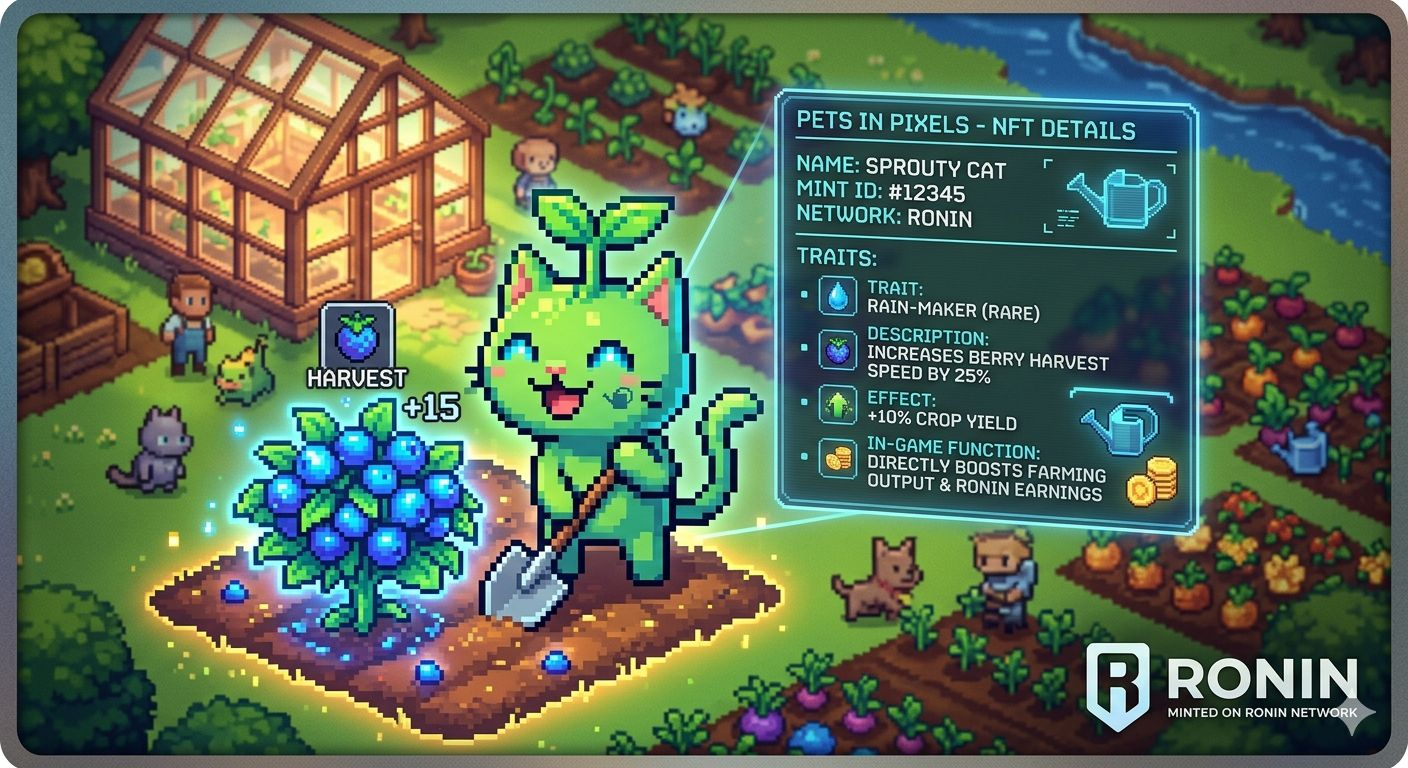
Pets in Pixels are minted as NFTs on Ronin, with trait combinations shaping not just appearance but actual in game function. That distinction matters. Many NFT pets are cosmetic; Pixels ties traits directly to farming output, meaning what you mint has real gameplay and economic consequences.
The randomness behind minting is where scrutiny is needed. Blockchain randomness is never truly random, just approximated through mechanisms like VRFs or commit-reveal schemes. Whether Pixels’ system is genuinely fair or subtly exploitable is something only audited contracts can confirm, and I haven’t seen a detailed public audit on that yet.
Rarity tiers follow the standard structure, common, rare, and so on. That’s nothing new. What matters is whether rarity translates into meaningful in-game advantage or just resale value. From what’s visible so far, Pixels is trying to align the two: rarer traits appear to improve farming efficiency, not just aesthetics.
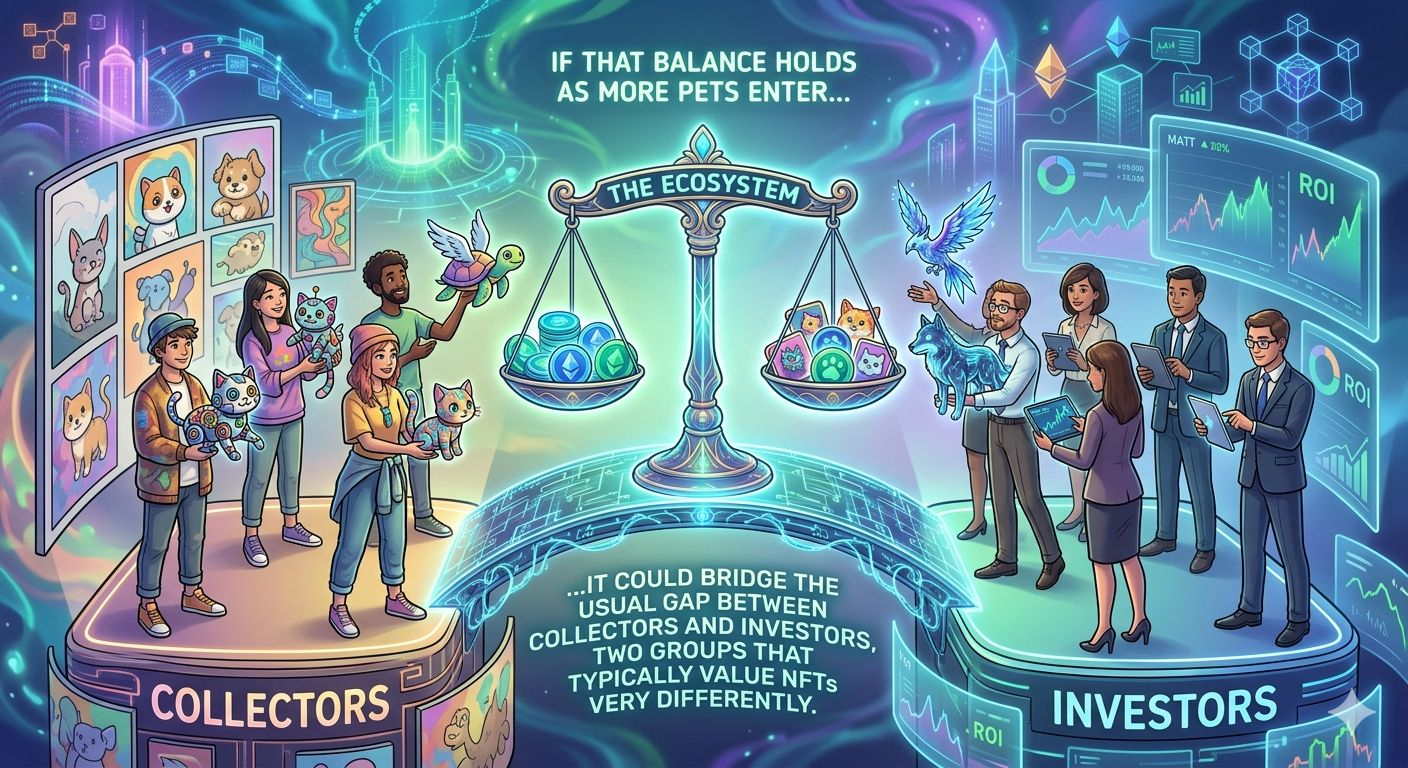
If that balance holds as more pets enter the ecosystem, it could bridge the usual gap between collectors and, two groups that typically value NFTs very differently.
Ownership is fully onchain, so pets live in your wallet, not just the game. That adds flexibility and tradeability, but also raises the obvious question: without the game, what is the asset really worth?
Breeding introduces a deeper layer. Traits can be inherited or mutated, creating a kind of genetic marketplace where value isn’t just in individual pets, but in their potential combinations. That’s where things get genuinely interesting, if the system is well-tuned.
It’s a thoughtful design on paper. Whether it holds up in practice is another story.
Watching closely, for now.