
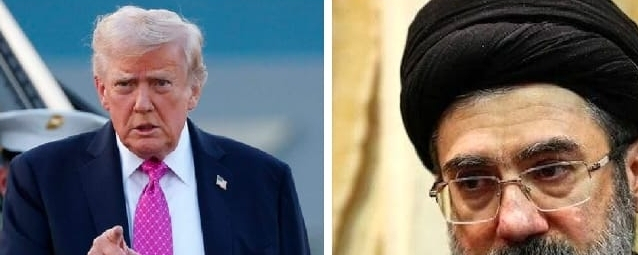
Over the past few hours, I’ve been watching a situation that feels like it’s sitting right on the edge. The next 24 hours could be extremely volatile, and from my perspective, everything depends on how events unfold between the U.S. and Iran. Donald Trump has warned that attacks on Iran could resume, despite the recent ceasefire narrative, and that alone is enough to shift market expectations.
What stands out to me is the contradiction on the ground. While there’s talk of a ceasefire, reports suggest the IRGC is still blocking ships and even firing on vessels in the Strait of Hormuz. That tells me the situation isn’t stabilizing—it’s unresolved.
From where I’m standing, this matters directly to markets because the recent rally was built on relief. The reopening of Hormuz pushed oil prices down and eased inflation fears. But if that route is disrupted again, everything reverses. Oil spikes, inflation expectations rise, and risk assets start to feel pressure.
Another thing I’m noticing is the escalation risk tied to diplomacy. U.S. representatives are heading for another round of talks, but the messaging is clear—if negotiations fail, the response could be severe. At the same time, Iran has signaled it would respond by targeting U.S. allies. That kind of back-and-forth creates a highly fragile environment.
From my perspective, this puts markets in a binary setup.
If there are signs of de-escalation—ships moving freely, reduced tension—stocks and crypto could continue pushing higher.
But if aggression increases—more attacks, tighter blockades—the reaction could be sharp in the opposite direction.
What makes this moment different is the timing.
Everything is compressed into a short window, and decisions made within hours could shape market direction for days or even weeks.
For me, the key takeaway is simple:
This isn’t just another headline cycle—it’s a turning point.
The next 24 hours will likely decide whether the current rally continues…
or whether markets reset back into risk-off mode.