I have been watching the crypto space for a long time, but this one experience pulled me in deeper than anything else before. It didn’t start as some big investigation. Honestly, I was just following an Ethereum-funded project out of curiosity, the way you scroll through updates late at night when something catches your interest. It looked normal, maybe even promising. People building, coding, sharing ideas. Nothing unusual.
But the more time I spent watching, the more something started to feel… off.
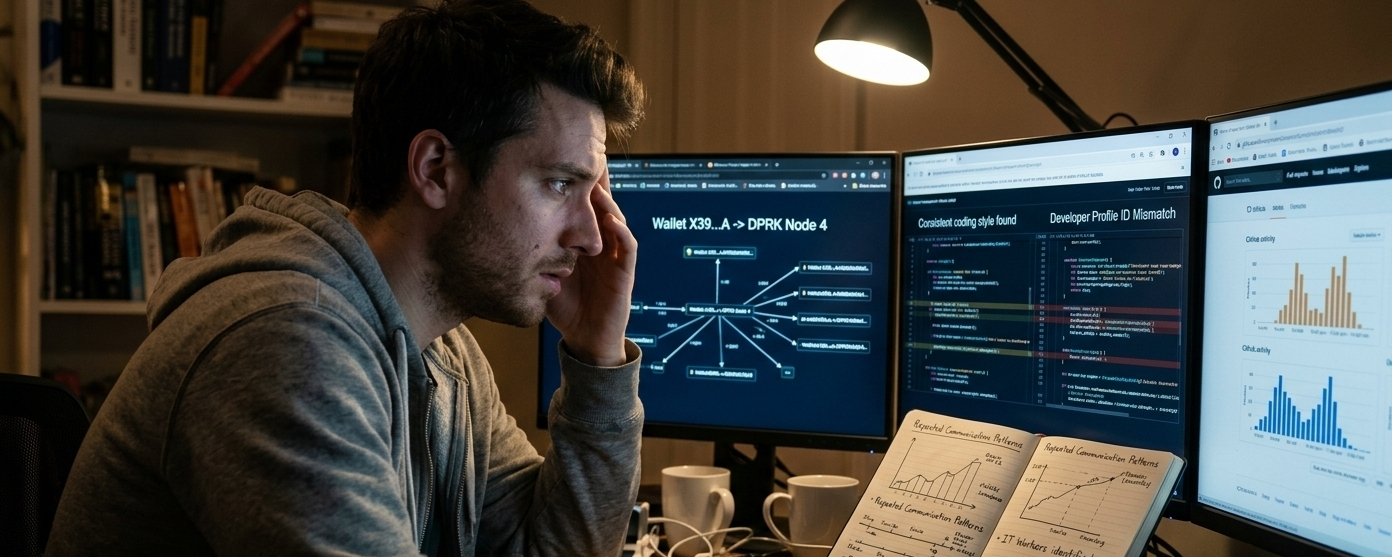
At first, I couldn’t explain it. It wasn’t one big red flag. It was small things. Tiny patterns that didn’t quite match the idea of a random global team working together. I kept seeing similar styles in communication, similar ways of writing code, even similar timing in when people were active. Different names, different profiles—but somehow, they felt the same.
I told myself I was probably overthinking it. That happens a lot in crypto. But instead of moving on, I kept watching.
I spent more time going through developer activity, reading conversations, checking how people interacted with each other. And slowly, what looked like coincidence started to look more like coordination. It didn’t feel natural anymore. It felt structured.
That’s when I decided to dig deeper.
I have spent hours—honestly, days—just tracking small details most people would ignore. Wallet movements, payment flows, repeated patterns in contributions. At some point, everything started connecting in a way that made me pause. It wasn’t just freelancers working independently. It looked like a network.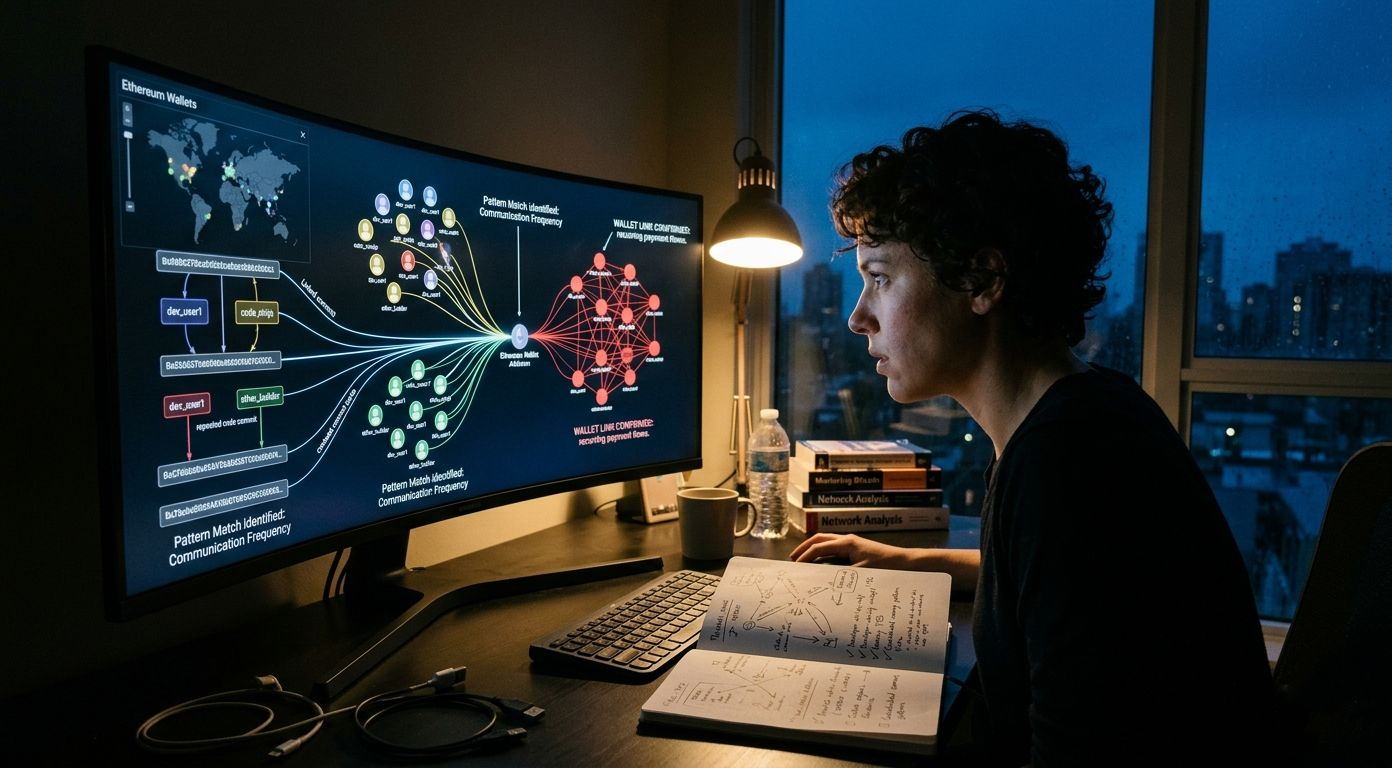
And then came the realization that stayed with me.
Many of these developers, the ones contributing quietly and consistently, didn’t seem to be who they claimed to be. They were operating under different identities, but their patterns told another story. From everything I could piece together, this wasn’t random at all. It pointed toward a group of North Korean IT workers working through the system, blending into the global crypto workforce.
I remember just sitting there after that thought crossed my mind. Not shocked in a dramatic way—but more like a slow, uncomfortable understanding settling in. Because once you see it, you can’t unsee it.
What made it even more complicated was that these weren’t careless or sloppy workers. Quite the opposite. They were skilled. Reliable. Focused. If anything, they were exactly the kind of developers projects are happy to hire. That’s what made this whole thing feel so strange. Nothing about them screamed “problem.” You had to look closely, patiently, over time.
I kept asking myself how something like this could happen so quietly. But the answer was right in front of me. Crypto doesn’t work like traditional systems. It’s open. Borderless. People don’t always ask too many questions as long as the work gets done. And in that kind of environment, it becomes very easy for organized groups to exist without being noticed.
I have spent a lot of time thinking about the human side of this too. Because behind all of this are real people. Skilled individuals doing work, writing code, meeting deadlines. But at the same time, there’s a bigger structure behind them that raises difficult questions—questions about where the money goes, who controls it, and what it ultimately supports.
That’s the part I still can’t fully settle in my mind.
By the time I stepped back from all this, I realized I wasn’t looking at crypto the same way anymore. What started as simple curiosity turned into something much deeper. It showed me how layered this space really is—how much happens quietly in the background while most people only see the surface.
And even now, I feel like I’m still watching.
Not because I’m trying to investigate something new, but because once you notice patterns like this, it changes the way you see everything.