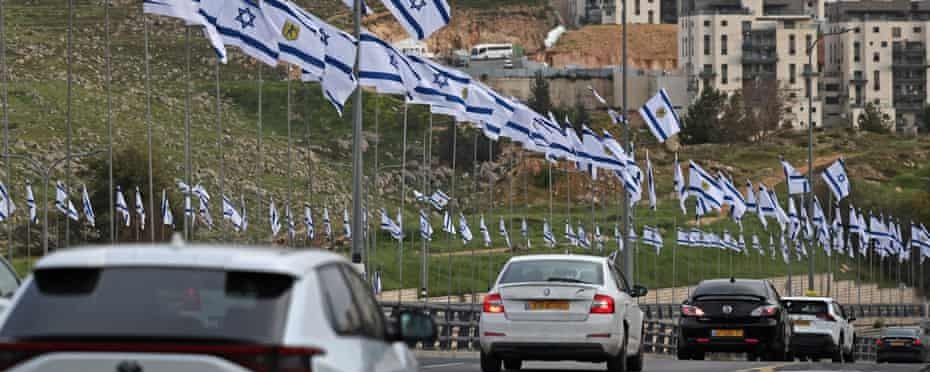
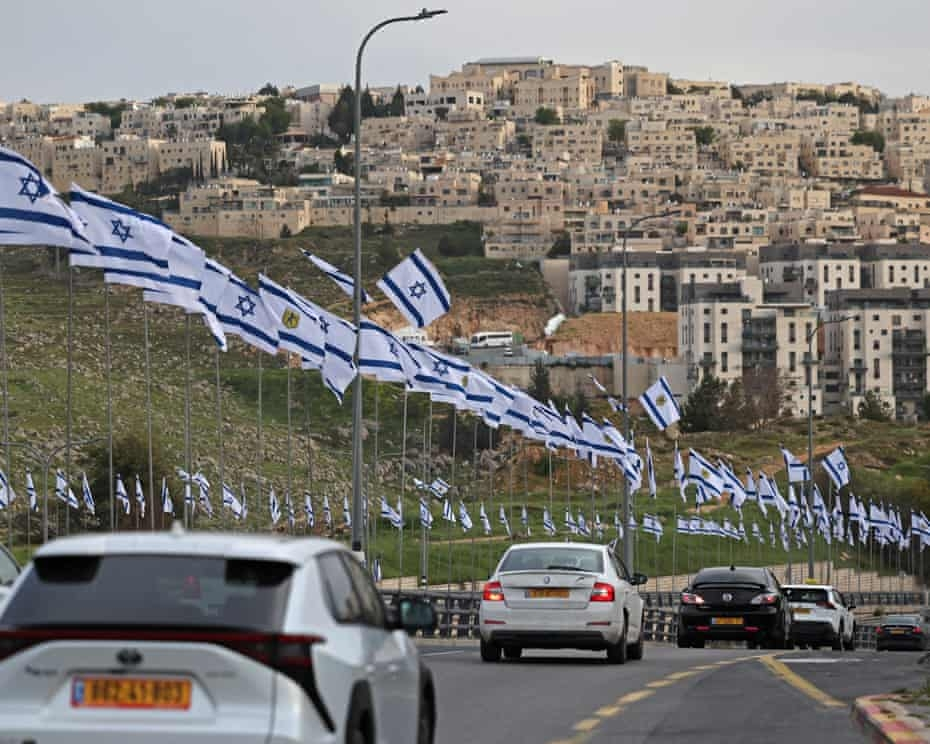
Geopolityczny krajobraz Europy przechodzi znaczącą recalibrację. Przez lata Izrael polegał na strategii "dziel i rządź" w ramach Unii Europejskiej, wykorzystując bliskie bilateralne więzi z określonymi liderami, aby złagodzić lub zablokować zbiorowe sankcje UE. Jednak ostatnie wstrząsy polityczne sugerują, że ta dyplomatyczna osłona zaczyna pękać.
Najbardziej uderzająca zmiana wynika z przesunięcia długoterminowych sojuszników. Ponieważ Viktor Orbán nie jest już u władzy na Węgrzech, a Giorgia Meloni z Włoch dystansuje swoją administrację poprzez zawieszenie kluczowych paktów obronnych, konsensus wymagany do działania w skali UE staje się coraz bardziej osiągalny. Jest to najbardziej widoczne w odnowionym nacisku na sankcje przeciwko ekstremistycznym osadnikom na Zachodnim Brzegu — ruchu, który wcześniej był blokowany przez węgierskie weto.
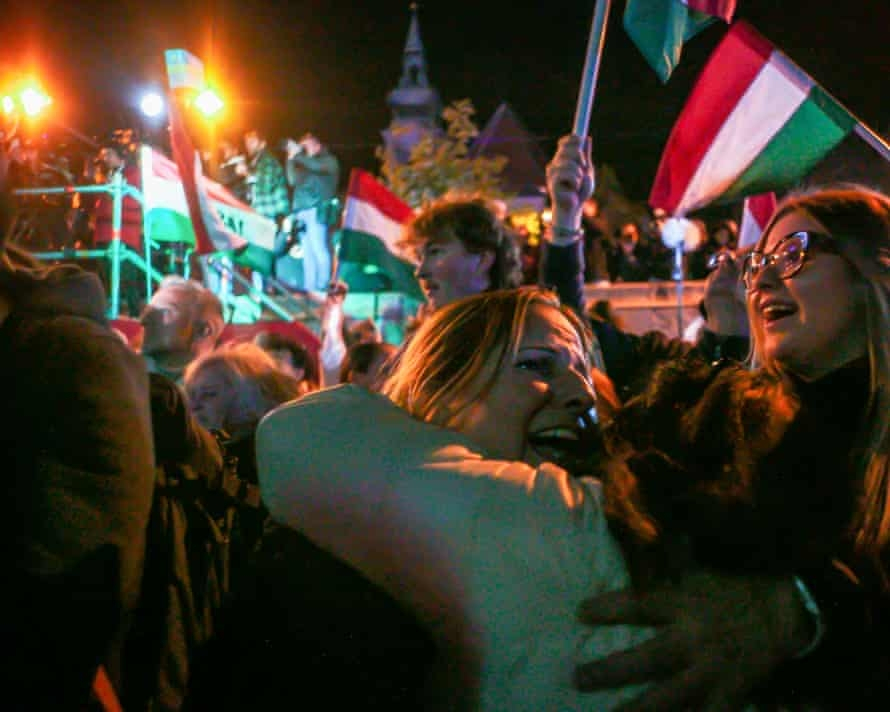
Leverage ekonomiczne
Podczas gdy relacja bezpieczeństwa z USA często dominuje w nagłówkach w Izraelu, więź ekonomiczna z Europą jest równie krytyczna. UE pozostaje głównym partnerem handlowym Izraela i głównym źródłem funduszy na badania. Jednakże, rośnie rozerwanie:
Nastroje publiczne: Obywatele europejscy coraz głośniej wyrażają swoje zdanie na temat postrzeganych "podwójnych standardów" w porównaniu do reakcji UE na konflikt w Gazie w porównaniu do jej reakcji na wojnę na Ukrainie.
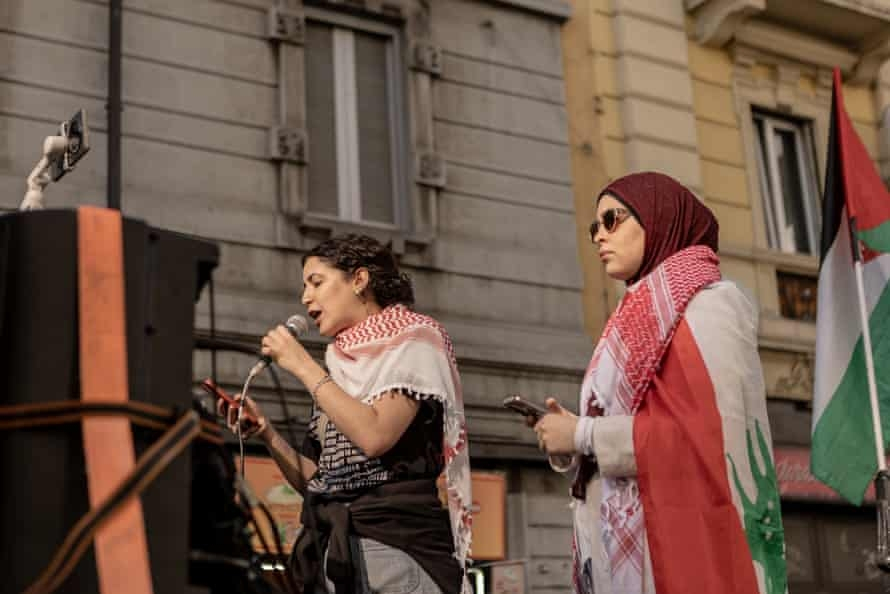
Nacisk rządowy: Wpływowe państwa członkowskie, takie jak Irlandia, Hiszpania i Słowenia, teraz formalnie kwestionują zobowiązania Izraela w zakresie praw człowieka w ramach jego obecnych umów handlowych.
Zmiana instytucjonalna: Nawet w Niemczech, gdzie odpowiedzialność historyczna pozostaje kamieniem węgielnym polityki zagranicznej, ton zmienia się pod rządami kanclerza Friedricha Merza w kierunku bardziej krytycznej oceny ekspansji osiedli.
Węzeł dla relacji
Napięcie między integracją ekonomiczną a politycznym rozdzieleniem osiągnęło punkt wrzenia. Jeśli UE zacznie wykorzystywać swoją moc handlową — szczególnie poprzez Umowę Stowarzyszeniową UE-Izrael — wpływ na standard życia w Izraelu może być głęboki.
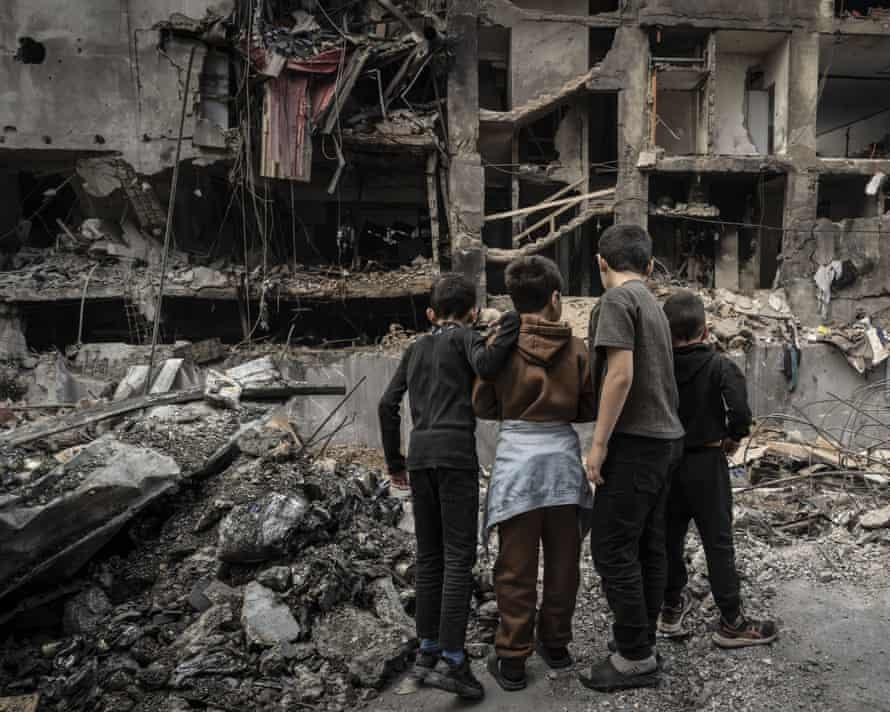
W miarę jak presja krajowa rośnie w europejskich stolicach, pytanie nie brzmi już, czy relacje europejskie z Izraelem się zmienią, ale jak szybko ta zmiana objawi się w polityce, a nie tylko w retoryce. Dla Izraela utrzymanie europejskich sojuszy może wkrótce wymagać dyplomatycznego zwrotu, który uwzględnia Europę, która nie jest już gotowa pozostać na uboczu.
#EUIsraelRelations #Geopolitics #EuropeanUnion #InternationalRelations #MiddleEastPolicy