Krajobraz geopolityczny znowu się zmienia, a konsekwencje zbliżają się do domu bardziej, niż wielu zdaje sobie sprawę. Podczas gdy świat obserwuje napięcia w Cieśninie Ormuz, cichszy, ale równie niszczycielski kryzys rodzi się w globalnym sektorze rolnym.
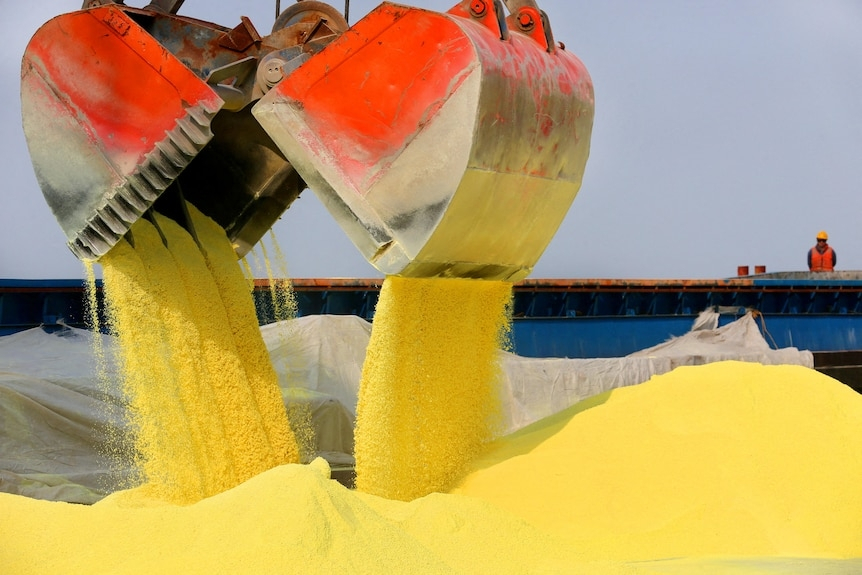
Blokada tej kluczowej morskiej arterii—przez którą przechodzi 30% handlowych nawozów na świecie i połowa jego siarki—spowodowała, że ceny mocznika wzrosły o prawie 70% w tym roku. Podczas gdy wiele narodów stara się zabezpieczyć zapasy, Rosja znajduje się w wyjątkowo korzystnej pozycji.
Rosyjskie wpływy
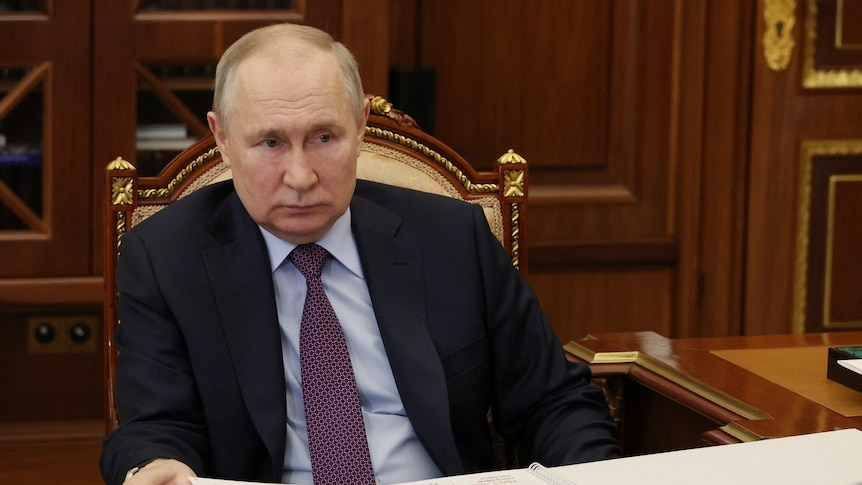
W przeciwieństwie do innych globalnych eksporterów, infrastruktura Rosji pozostaje całkowicie niezależna od cieśniny. Umożliwia to Moskwie kontynuowanie eksportu bez przeszkód, podczas gdy reszta świata zmaga się z logistycznymi koszmarami i rosnącymi kosztami transportu.
W miarę jak koszty produkcji rolniczej rosną, widzimy "idealny sztorm" dla globalnego bezpieczeństwa żywnościowego:
Cięcia produkcji: Główni producenci nawozów w Azji Południowej już ograniczają produkcję z powodu wysokich kosztów paliwa.
Dylemat "Centrum Kosztów": W przeciwieństwie do szoku z 2022 roku, ceny zbóż nie rosną równolegle z kosztami nawozów, pozostawiając rolników—szczególnie w Australii—samotnie ponoszących ciężar finansowy podczas krytycznych okresów siewu.
Długoterminowe skutki: Eksperci ostrzegają, że prawdziwy "szok cen żywności" może nie zmaterializować się w pełni aż do 2027 roku, potencjalnie pozwalając Rosji zająć pozycję "niezbędnego dostawcy", który ratuje świat przed głodem.
Apel o strategiczną odporność
Obecny kryzys podkreśla surową rzeczywistość: globalne bezpieczeństwo żywnościowe jest coraz bardziej związane z garstką niestabilnych szlaków handlowych i krajów bogatych w energię. Dla krajów takich jak Australia, które w dużym stopniu polegają na imporcie azotu, poszukiwanie regionalnych partnerstw i alternatywnych łańcuchów dostaw przestało być luksusem—stało się koniecznością przetrwania.
Zawieszenie broni, na które wielu liczy, to dopiero początek. Globalny sektor rolny będzie "trawił" konsekwencje tej blokady długo po tym, jak statki znów zaczną się poruszać.
#FoodSecurity #Geopolitics #StraitOfHormuz #Agriculture #GlobalEconomy