



Pixels is emerging as one of the more thoughtful attempts to fix what went wrong in earlier blockchain games. Instead of chasing short-term “play-to-earn” hype, Pixels is designed around a simple but difficult objective: keep players engaged long enough to sustain a real economy.
Built on the Ronin Network, Pixels combines familiar gameplay with blockchain ownership. Players farm, gather resources, craft items, and interact socially in an open world. On the surface, this looks basic. Underneath, it’s intentional. Simplicity lowers friction, making it easier to attract and retain users beyond the typical crypto audience.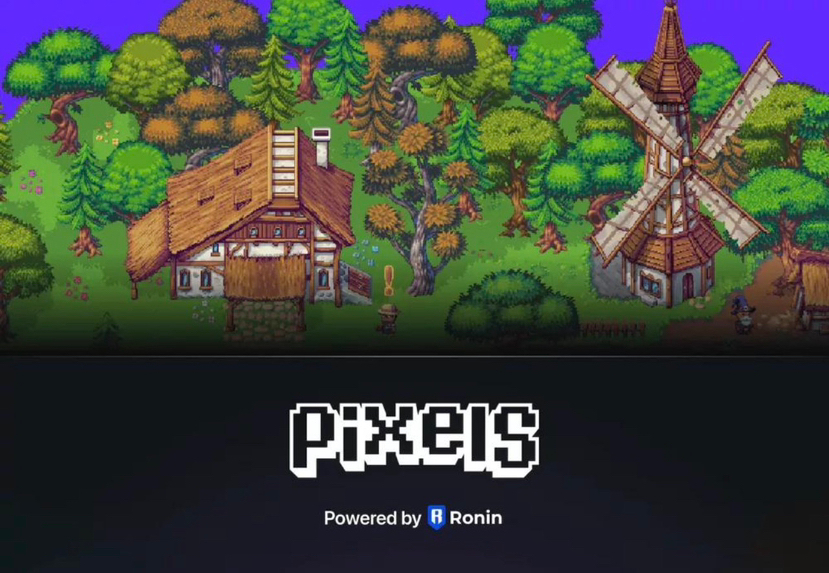
From Play-to-Earn to Play-and-Participate
Early GameFi models relied heavily on token rewards to drive growth. That worked temporarily, but most systems collapsed once emissions outpaced demand. Pixels takes a different route by aligning rewards with participation rather than extraction.
Players earn by actively contributing to the ecosystem:
→ Completing in-game tasks
→ Producing and trading resources
→ Engaging with the community
This creates a loop where value is generated through activity, not just speculation.
Dynamic Rewards and Live Economy Design
One of the most important innovations in Pixels is its adaptive reward system. Unlike static emission schedules, Pixels adjusts incentives based on real-time player behavior.
If certain activities become overcrowded, rewards can be reduced or redistributed. If engagement slows, incentives can increase to bring players back. This dynamic balancing, often associated with LiveOps strategies, allows the game to function as a living economy rather than a fixed one.
This matters because most GameFi failures were not due to lack of users, but due to broken economies that couldn’t adapt.
Dual-Token Structure and Utility Balance
Pixels uses a dual-token model to separate everyday gameplay from long-term value.
→ One token supports daily in-game transactions like crafting and trading
→ The other captures governance, premium access, and broader ecosystem value
This separation helps reduce inflation pressure while maintaining usability. It ensures that frequent in-game activity doesn’t dilute the core asset’s value.
Infrastructure Advantage: Ronin Network
The choice of Ronin as the underlying blockchain is strategic. Ronin is optimized for gaming, offering low fees and fast transactions, which are essential for high-frequency in-game interactions.
It also brings experience. The network previously supported massive user growth through Axie Infinity, providing valuable lessons on both scaling and the risks of unsustainable reward systems. Pixels appears to be applying those lessons directly.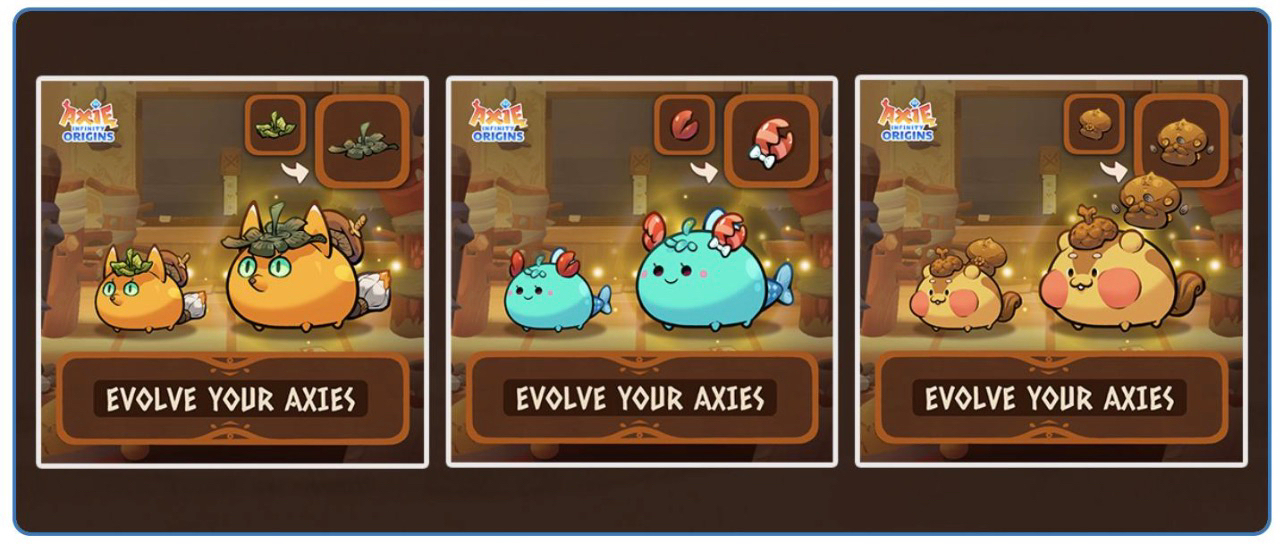
The Real Risk: Retention
Despite its strong design, Pixels still faces the biggest challenge in gaming: keeping players.
No matter how advanced the economy is, it fails if users leave. Retention drives everything:
→ Activity sustains the economy
→ Activity creates demand
→ Demand supports value
Pixels addresses this through continuous updates, social gameplay, and adaptive incentives, but execution will determine the outcome.
Market Position and Outlook
Pixels sits at the intersection of casual gaming and blockchain ownership. This positioning is powerful because it targets a broader audience than most crypto-native games. By focusing on accessibility and sustainability, it has a chance to outlast many of its competitors.
However, success is not guaranteed. The project must continuously balance reward distribution, gameplay quality, and user growth. Too much incentive leads to inflation. Too little leads to disengagement.
Conclusion
Pixels represents a shift in how Web3 games are designed. By prioritizing player experience, introducing adaptive economic systems, and leveraging a proven infrastructure, it offers a more sustainable model than earlier GameFi projects.
Its long-term success will depend on one thing: whether it can maintain an active, engaged player base.
If it succeeds, Pixels could become a blueprint for the next generation of blockchain games.
If it fails, it will join a long list of projects that underestimated the importance of retention.
In Web3 gaming, technology matters.
But players matter more.
