
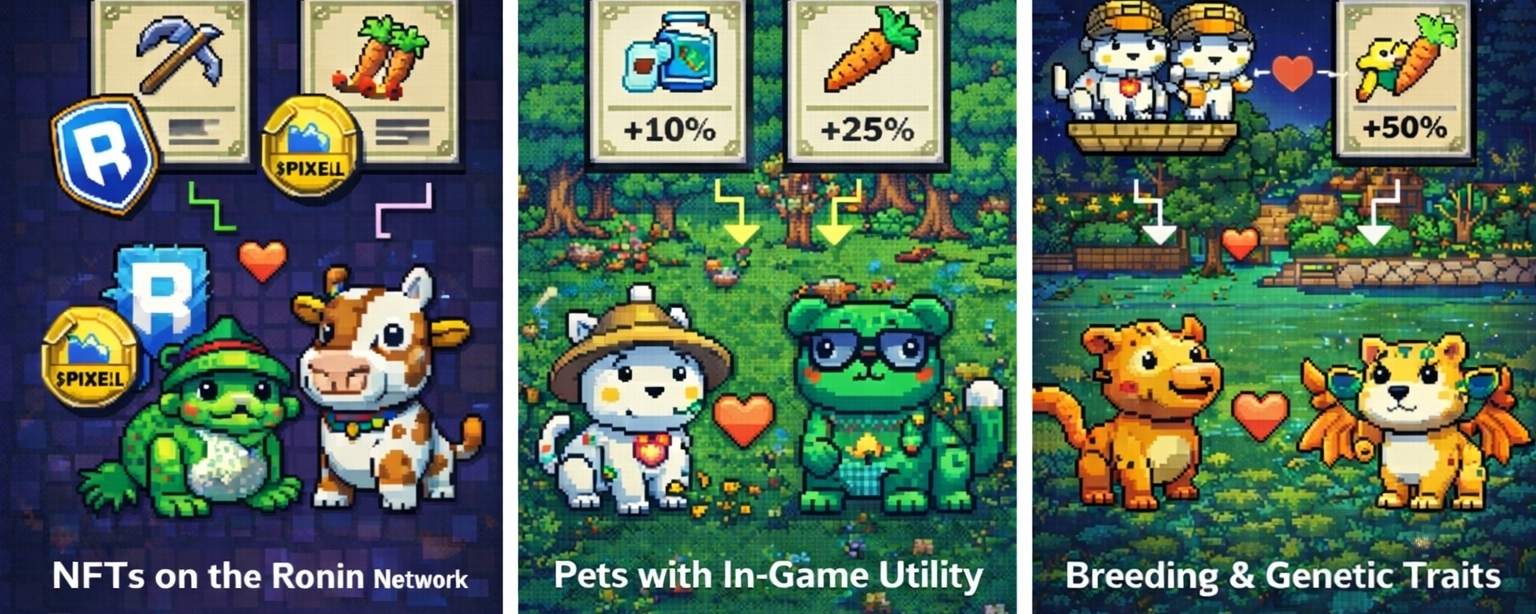
Nie spodziewałem się, że badanie zwierząt domowych Pixels (PIXEL) przyniesie coś przełomowego. Jak w większości systemów opartych na NFT, założyłem, że będzie to podążać za znanym schematem — wygenerować zestaw cech, zrandomizować kombinacje, wybijać je na łańcuchu i oznaczać każdy wynik jako „unikalny”. To była norma w tej przestrzeni, a w większości przypadków techniczna głębokość rzadko wykracza poza powierzchowne marketing.
Ale to, co tutaj znalazłem, było bardziej przemyślane, niż się spodziewałem — chociaż nadal jestem ostrożny w przypisywaniu zbyt dużej zasługi, zanim zobaczę, jak to działa na większą skalę.
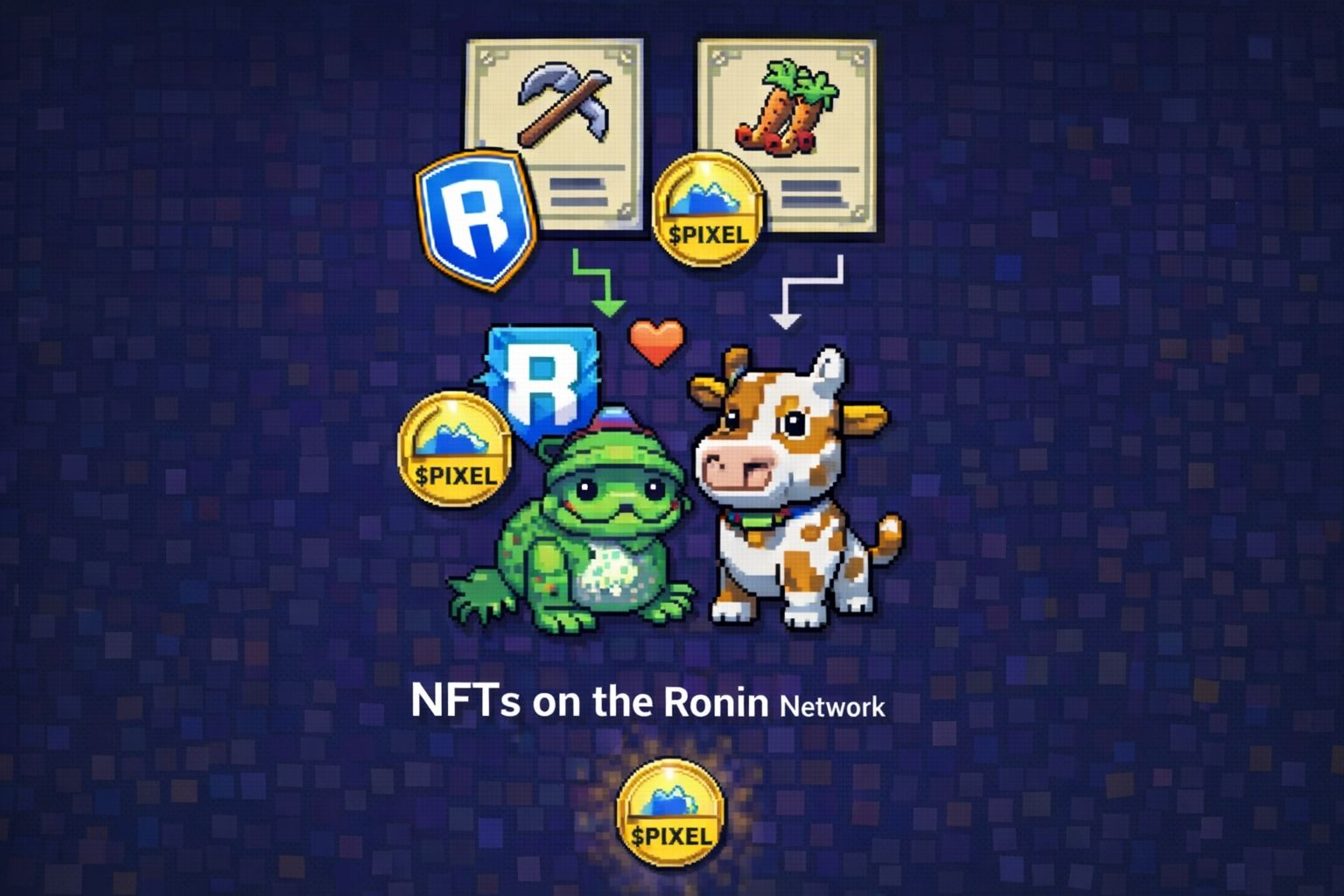
W swojej istocie, zwierzęta Pixels są mintowane jako NFT na sieci Ronin. Każde zwierzę nosi kombinację cech, które definiują nie tylko jego tożsamość wizualną, ale także funkcjonalność w grze. Ten drugi element to miejsce, w którym rzeczy zaczynają się wyróżniać. Wiele systemów zwierząt NFT skupia się wyłącznie na wyglądzie — wizualnie odrębne aktywa z małym lub żadnym wpływem na rozgrywkę. Pixels podejmuje inną drogę, wiążąc cechy bezpośrednio z mechaniką farmingu, co oznacza, że zwierzę, które mintujesz, ma rzeczywisty wpływ na to, jak grasz i optymalizujesz swoje działania w grze. To wprowadza rzeczywistą wagę ekonomiczną do projektu.

Proces mintingu opiera się na losowości na łańcuchu, aby generować kombinacje cech — i to tutaj kontrola staje się ważna. Losowość w blockchainie nie jest tak prosta, jak się wydaje. Teoretycznie mechanizmy takie jak weryfikowalne funkcje losowe (VRF) lub schematy commit-reveal zapewniają uczciwość. W praktyce jednak te systemy mogą nadal mieć przypadki brzegowe lub podatności, jeśli nie są wdrożone poprawnie. Czy Pixels osiągnęło prawdziwą nieprzewidywalność, czy wprowadziło subtelne punkty manipulacji, to coś, co można potwierdzić tylko poprzez audytowane smart kontrakty. Na dzień dzisiejszy, bez wyraźnie odniesionego audytu dotyczącego mintingu zwierząt, to pytanie pozostaje otwarte.
\u003cc-34/\u003e

Rzadkość cech podąża za strukturą warstwową — znanym modelem. Cechy powszechne są szeroko rozprzestrzenione, podczas gdy rzadkie cechy są celowo ograniczone. Ta ograniczoność napędza wartość na rynkach wtórnych, a to koncepcja, która została powielona w niemal każdej kolekcji NFT. Więc innowacja tutaj nie tkwi w samej rzadkości — chodzi o to, co rzadkość naprawdę robi. Prawdziwym testem jest, czy rzadkie cechy zapewniają znaczące przewagi w rozgrywce, czy po prostu istnieją jako symbole statusu dla wartości odsprzedaży.
Z tego, co jak na razie widać, Pixels wydaje się łączyć rzadkość z użytecznością. Zwierzęta z rzadszymi cechami są zaprojektowane tak, aby lepiej działały w określonych rolach w farmingu, potencjalnie tworząc system, w którym efektywność rozgrywki i wartość rynkowa się krzyżują. Jeśli ta równowaga utrzyma się w czasie — zwłaszcza gdy więcej zwierząt wejdzie do obiegu, a meta w grze ewoluuje — może to rozwiązać od dawna istniejący problem w grach NFT: łączenie zachęt graczy i kolekcjonerów.
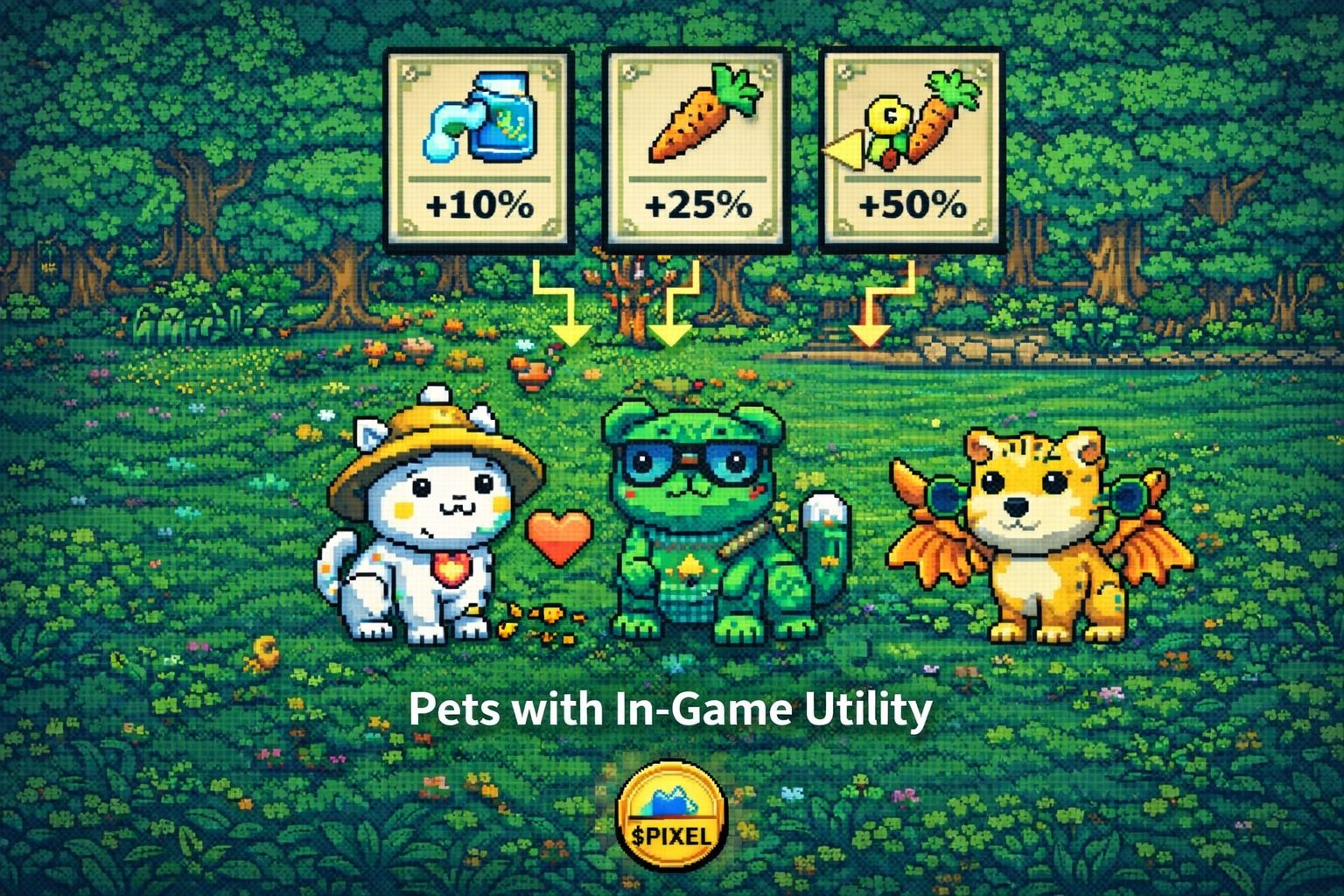
Własność będąca w pełni na łańcuchu wprowadza kolejny ważny wymiar. Zwierzęta istnieją w portfelu gracza, a nie są ograniczone do scentralizowanego serwera gry. Oznacza to, że pozostają aktywami handlowymi niezależnymi od cyklu życia gry. Jednak ta niezależność wiąże się z rzeczywistością — jeśli gra straci na znaczeniu lub całkowicie się zamknie, wartość tych NFT prawdopodobnie będzie zależała od popytu zewnętrznego, a nie od wewnętrznej użyteczności. To czynnik, który każdy inwestujący prawdziwy kapitał powinien dokładnie ocenić.
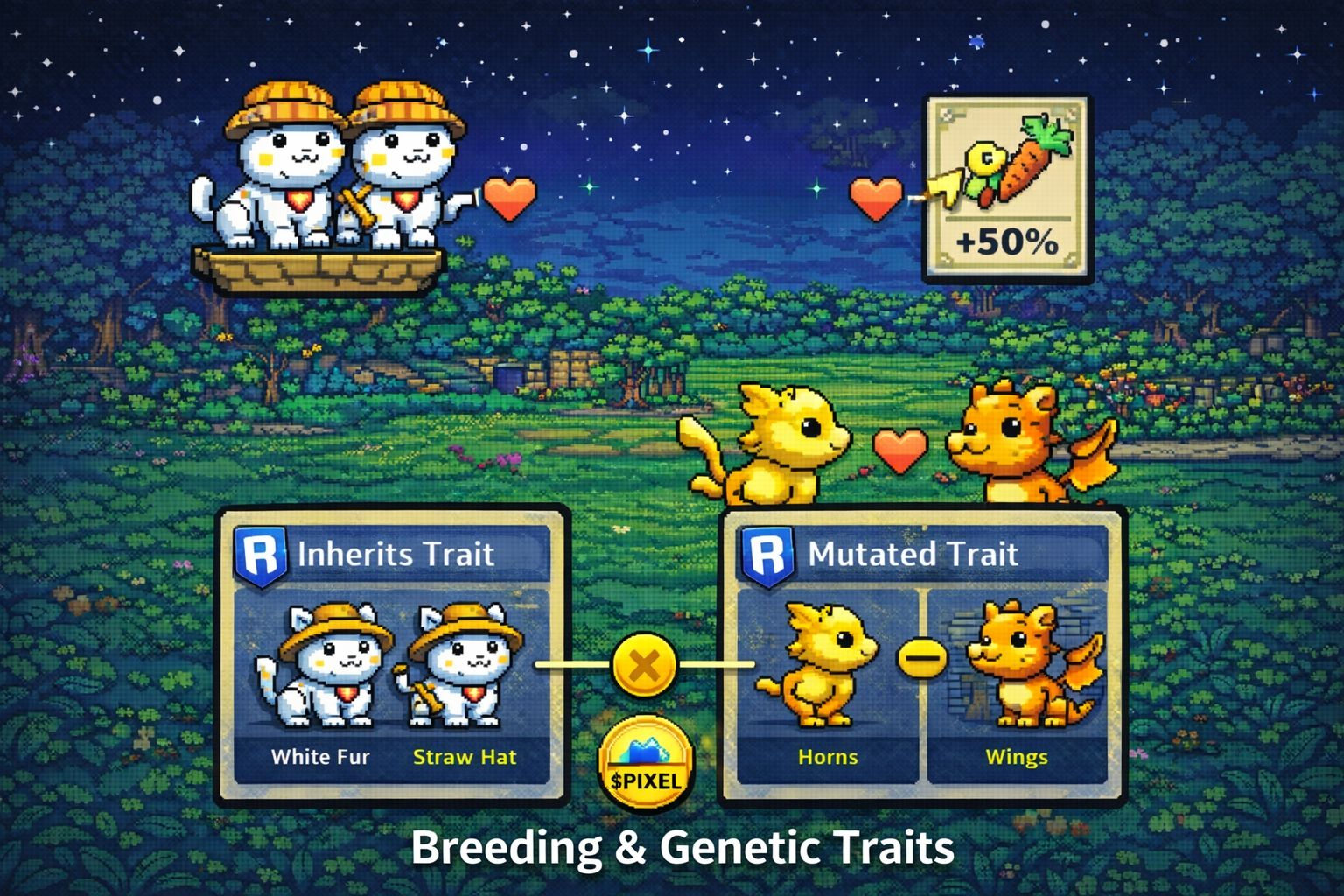
System hodowli dodaje kolejny poziom głębokości. Dwa zwierzęta mogą produkować potomstwo, dziedzicząc cechy z możliwością mutacji. Te mechaniki dziedziczenia są zakodowane bezpośrednio w smart kontraktach, wprowadzając formę genetyki cyfrowej. To przekształca ekosystem w coś więcej niż tylko rynek kolekcji — staje się dynamiczną gospodarką, w której wartość leży nie tylko w pojedynczych zwierzętach, ale także w ich potencjalnych kombinacjach. Rzadkie parowania genetyczne mogą prowadzić do bardzo pożądanych wyników, tworząc strategiczne warstwy wokół decyzji hodowlanych.
To tutaj system staje się naprawdę interesujący.
Przechodzi z prostej własności aktywów do długoterminowego projektowania ekosystemu — gdzie prawdopodobieństwo, strategia i zachowanie rynku się krzyżują.
Nie spodziewałem się znaleźć takiego poziomu przemyślenia za tym.
Ale czy wykonanie rzeczywiście odpowiada ambicjom, to coś, co tylko czas — i skala — pokażą.
Na razie to coś, co warto obserwować.
Uważnie.\u003cc-55/\u003e\u003ct-56/\u003e\u003cm-57/\u003e\u003ct-58/\u003e