
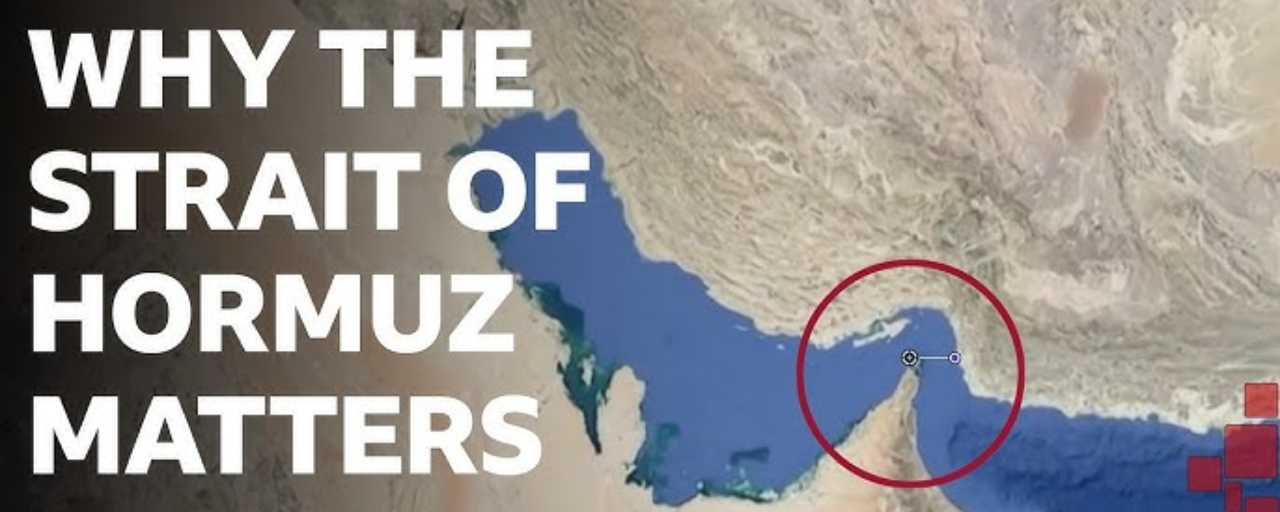
The Strait of Hormuz is one of the most important waterways in the world—a narrow sea passage connecting the Persian Gulf to the Gulf of Oman and the Arabian Sea. It lies between Iran to the north and Oman/UAE to the south.
Why it matters:
• Around a large share of the world’s oil exports passes through this route every day.
• Major energy producers like Saudi Arabia, Iraq, Kuwait, UAE, and others rely on it to ship crude oil and gas to global markets.
• Any disruption here can quickly affect fuel prices, shipping costs, and stock markets worldwide.
Geography:
• At its narrowest point, the strait is only about 33 km (21 miles) wide.
• Shipping lanes are even narrower, making it a strategic chokepoint.
Why it’s often in the news:
• Tensions between regional powers
• Naval activity and military presence
• Threats to block shipping routes
• Seizure or inspection of tankers
• Global concerns over oil supply
Global Impact:
If the Strait of Hormuz is blocked or unstable, countries across Asia, Europe, and beyond can face higher energy costs and supply delays. That’s why governments and markets closely monitor developments there.
In simple words: The Strait of Hormuz is a small passage with massive global importance. What happens there can influence economies around the world.