
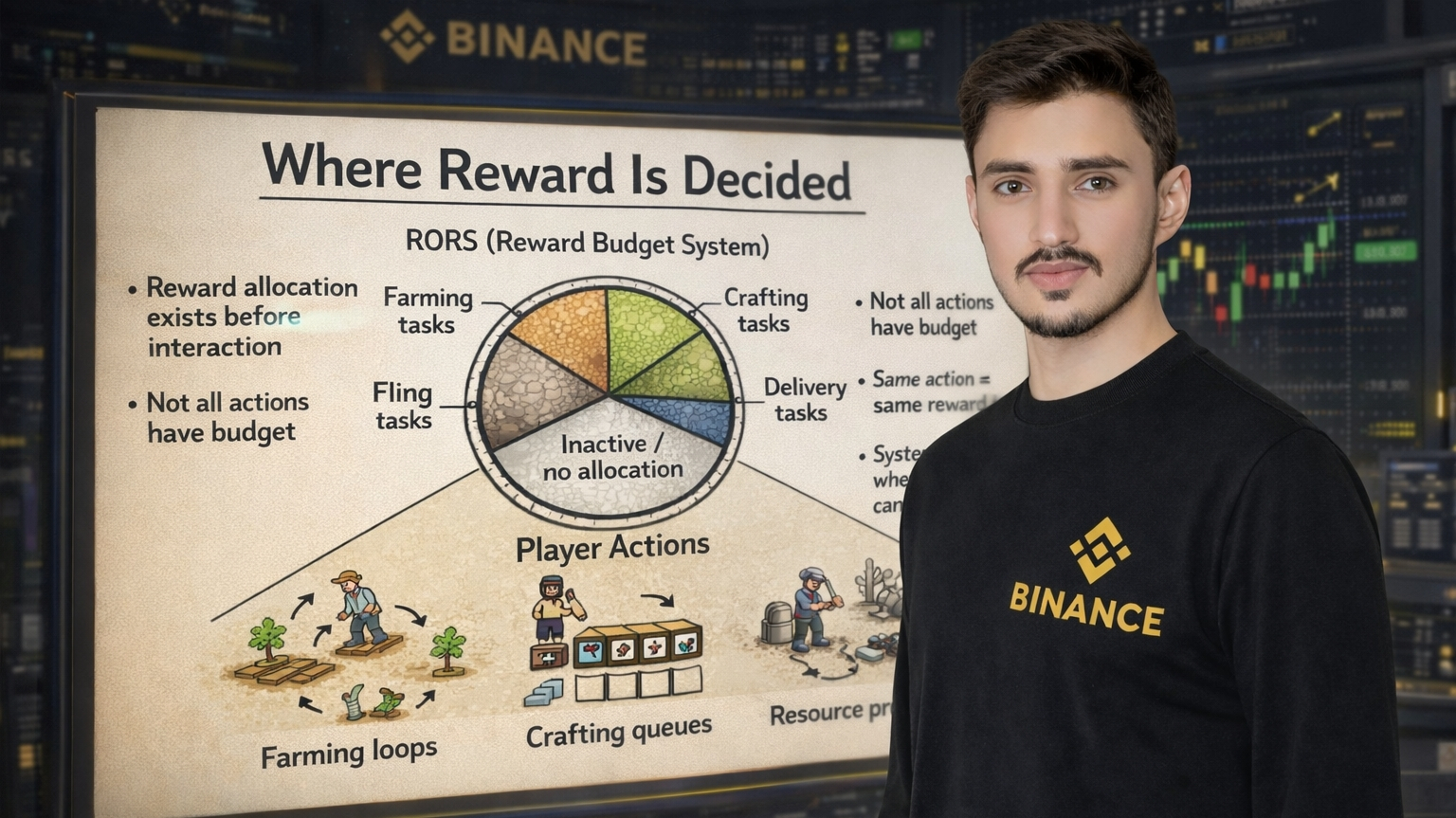
If I'm honest... it's like this - before a movie was just a story. Now if it is a whole platform where content, data, ads, user behavior - everything works together, then it is not just a movie anymore. @Pixelsis also trying to stand in that same place - at that very level but thing is... The first layer is the smart -reward system. The idea here sounds very simple but the inside is a little different. On today's internet, you use a free service and in return your attention is sold to an ad network. Here they are says - this value will go directly to player without going through the middle. That is, if you enter the game, finish tutorial or play regularly - you will get token directly. It's like you are not only getting a reward for working but also for being at work. For a normal user, it is very simple - I played, I got something. But inside, game design is gradually becoming engagement-economy. That is, the time you spend is your value. A mental thing works here. People like incentives at the beginning but over time, if incentives become the main objective, then the experience is no longer pure game - it becomes a loop. The second layer is data engine. Pixels Events API can actually be called the "brain" of the entire system.
I will say that if we look at big picture now - they are actualy trying to create a Google/Facebook style ad network but here the ad is replaced by gameplay, and the data is replaced by player action. For a normal user, this means - play, get samething. For a developer - you can understand the user, grow quickly. And for a trader - it is not just a token, it is an engagement signal. But the real question comes here - trust. People usually get scared when their behavior and value come together. The volatility of token increases that fear. If reward is unpredictable, how stable will the engagement be ? On the other hand, if it works, then gaming will not only become entertainment but also a distribution layer - where intermediaries will be reduced and value flow will be direct.
If a game gradually moves to a place where it is not just a game but also creates entire economy - then do we really still call it a game or does it become something else?
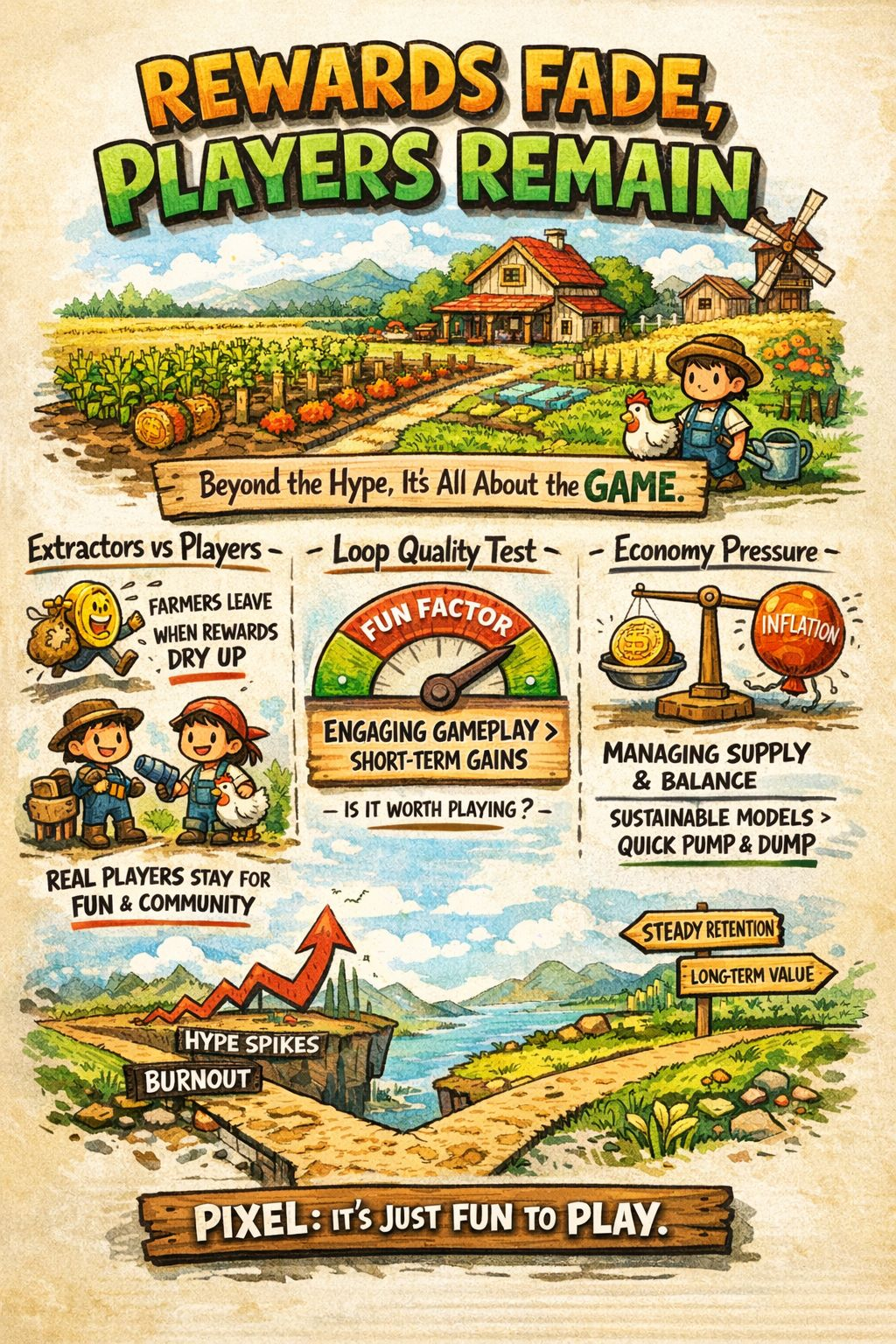
It tracks user behavior, spend patterns, retention - everything. From the outside it's analytics, but inside it's a prediction system. Think of it simply - game is not just letting you play, it's learning to understand you - I am really obak..... watching this. Even though this is a physics formula, there is a metaphor here - value, engagement and activity together create behaviores of the entire system. This is very powerful for developers. Because they not only know what the user is doing, they can predict what the user will do next
. This means that rewards and economies are no longer random - they become predictable. But this is where a subtle problem arises. When everything can predicted, connects the player's identity - wallet, device, behavior - all together. As a result, a user is no longer just a user of a game, but becomes part of the entire network. This is an advantage for developers. Because user acquisition and analyticsis become pretty much ready-made. But at the same time, a dependency is created - once you're in, it becomes difficult to get out. Now, if we look at the update from 11 months ago, we can see that they have gradually structured it more.
The RORS dashboard is actually a reality check - seeing live how much return you get when you spend rewards. This is very important for developers because biggest problem in Web3 is - it's difficult to understand ROI. Then comes the staking + emission model. It's a way to control liquidity. This means that reward pool is not just a cost, but a managed economy. The cross-game model is actually the biggest shift. Because then a game became part of the entire ecosystem instead of being a separate entity. And the $BERRY to $PIXEL transition was actually narrative consolidation - bringing entire economy into one place.
Honestly speaking....