
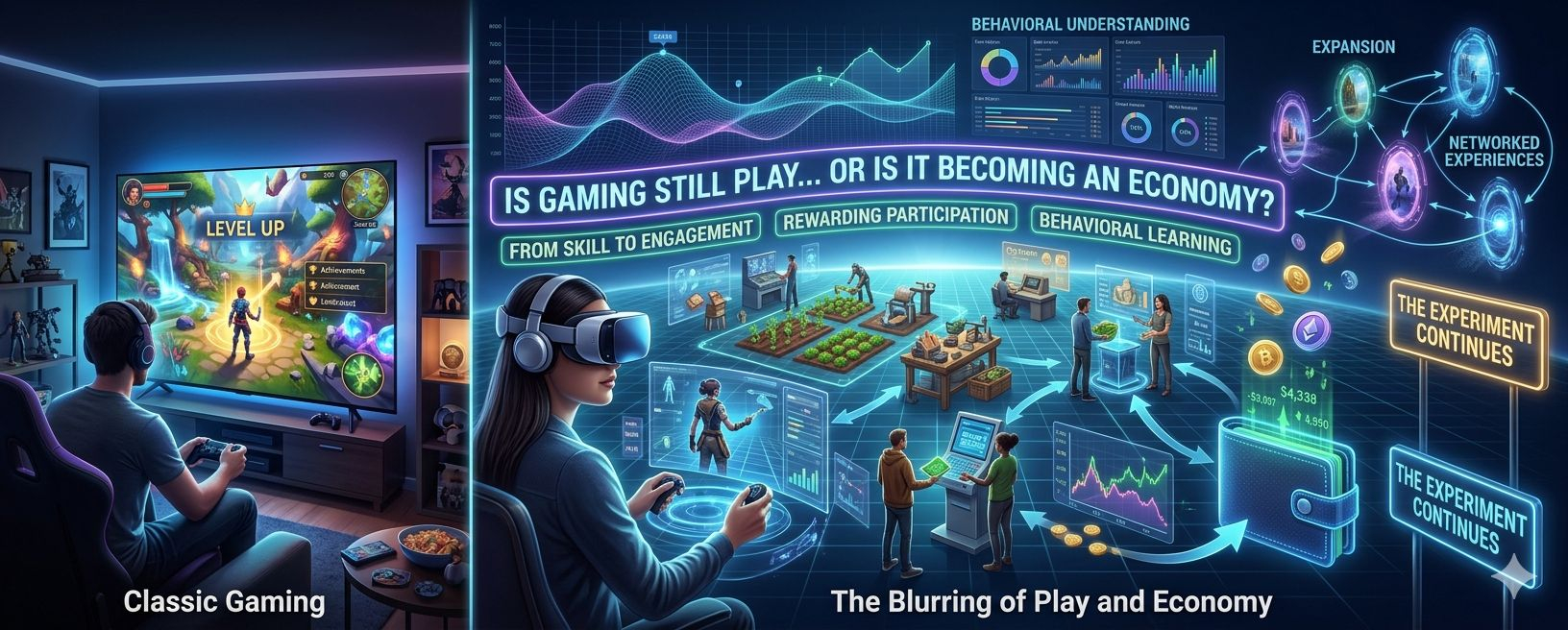
For the longest time, games were easy to understand. You played to relax, to compete, or simply to pass time. There was no deeper layer to think about—fun was the only currency that mattered.
But now, something is shifting. And projects like @Pixels are right at the center of that change.
Pixels ($PIXEL) is a social casual Web3 game built on the Ronin Network, designed around farming, exploration, and creation. On the surface, it feels calm and familiar—plant crops, explore land, build your space. It’s the kind of experience that doesn’t demand pressure. You just exist in it.
But the moment you start looking a little deeper, the experience begins to feel different.
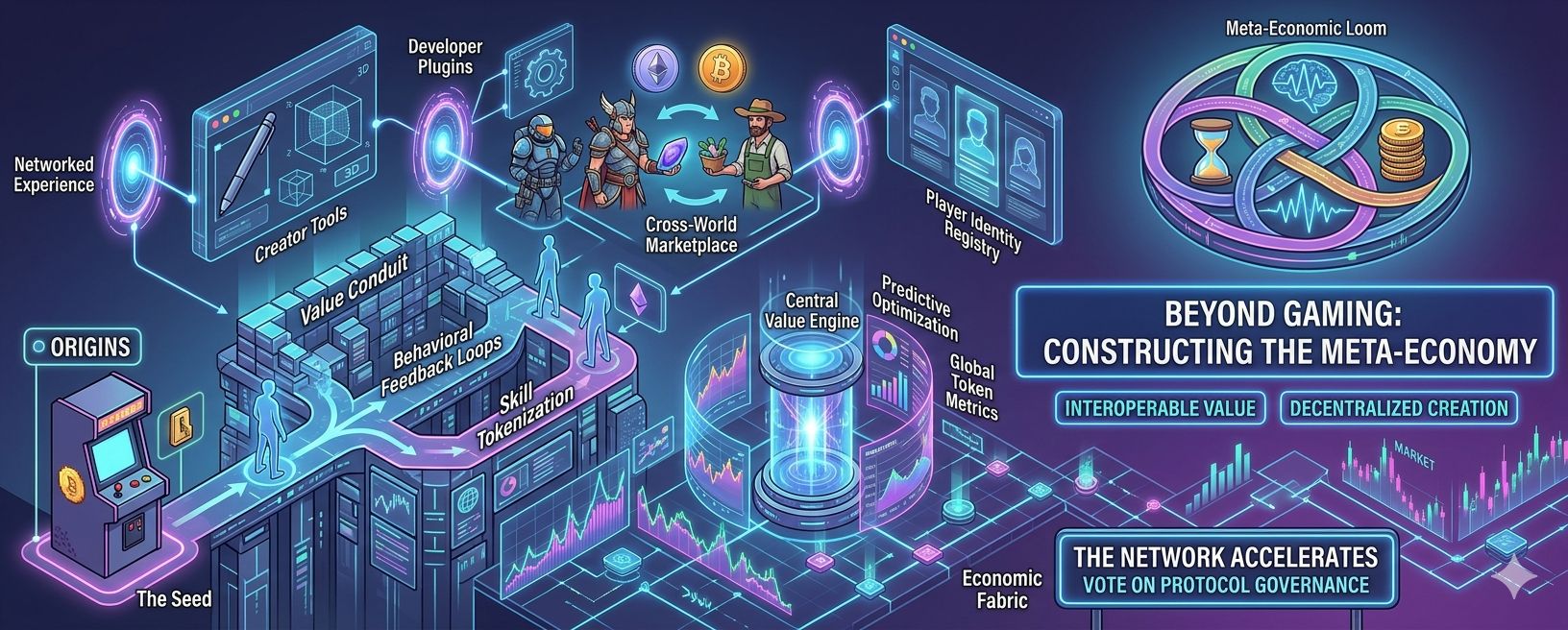
Because this isn’t just a game anymore—it’s slowly becoming a system where your time has measurable value.
In traditional games, rewards were tied to achievement. You completed a mission, defeated an enemy, or unlocked a level—and you were rewarded for that effort. Here, the idea expands. Simply being present, staying active, and participating in the loop can generate value. It’s a subtle shift, but a powerful one. You’re not just playing—you’re contributing to an economy that is constantly running in the background.
And that economy is not random.
Every action, every choice, every moment you spend inside the world feeds into a system that is learning from you. What you like, how long you stay, what keeps you coming back—these patterns are quietly observed and understood. Over time, the experience begins to adjust itself. Not in a way that feels forced, but in a way that keeps you engaged without you fully realizing why.
This is where things get interesting.
Because when a game starts to understand you, it stops being just a game. It becomes something closer to a responsive environment—one that adapts, predicts, and evolves based on behavior. The line between playing and being part of a system starts to blur.
Then comes the bigger picture.
With infrastructure expanding, this is no longer limited to a single world. Developers can build on top of the same foundation, connecting different experiences into one larger network. Your identity, your progress, your activity—they don’t stay in one place anymore. They move across an ecosystem.
At that point, calling it “just a game” doesn’t feel entirely accurate.
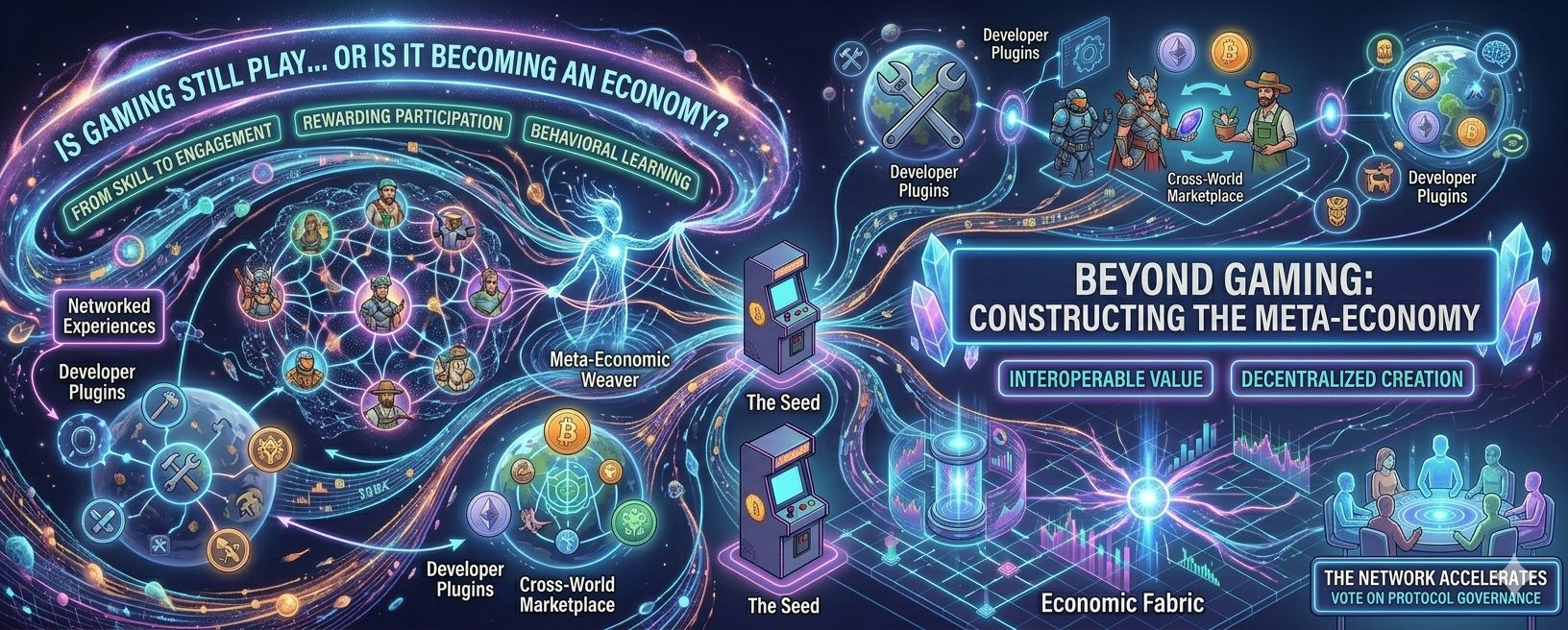
It starts to resemble a digital economy—one where players are not just users, but participants. Where engagement is not just entertainment, but a form of value creation.
But this shift isn’t without its questions.
When rewards become the main driver, does the feeling of play slowly fade?
When systems can predict what you’ll do next, does the sense of surprise disappear?
And when value is tied to tokens, what happens when that value fluctuates?
There’s also something more subtle to think about—control. When you enter a system that learns from you and adapts around you, how much of your experience is truly your own choice, and how much is being shaped for you?
None of this means the model is flawed. In fact, if it works, it could redefine gaming entirely. It could reduce middlemen, give players more direct value, and create opportunities that didn’t exist before.
But it’s still unfolding. Nothing about this is final.
Right now, we’re watching an experiment in real time—one where gaming, economics, and behavior are starting to merge into something new.
Maybe in the future, this will feel completely normal.
Or maybe players will push back and demand something simpler again.
No one really knows yet.
But one thing is clear:
Gaming is no longer just about playing. It’s becoming a space where time, attention, and value all connect in ways we’re only beginning to understand.