
Blockchain gaming has moved far beyond simple “click-to earn” loops into something deeper, living, social economies. Pixels (@Pixels ) sits right in the middle of that shift. Since its debut on Binance Launchpool, it has grown into one of the most watched GameFi assets, powered by the Ronin Network and a rapidly expanding player base.
So, What is Pixels?
Pixels is an open-world farming MMO with a nostalgic 16-bit style, but don’t let the visuals fool you, it’s built around a modern “fun-first” philosophy. Players explore Terra Villa, farm, complete quests, and interact with others in a shared world.
What separates Pixels from older Web3 titles is ownership. Your avatar can be an NFT, your land can be owned, and your time in-game can translate into real value, all tied together through a more balanced, player-driven economy.
Why PIXEL Actually Matters
The ecosystem has evolved into a single-token model, with $PIXEL at its core. Its utility goes beyond basic transactions:
. Premium Economy: Used for exclusive items, upgrades, and enhancements
. Social Layer: Required for guild creation and participation
. Land Expansion: Unlocks better plots and advanced structures
. Future Governance: Gives players a voice in how the game evolves
Instead of being purely inflationary, PIXEL is embedded into systems that encourage spending, not just earning.
Binance: The Growth Catalyst
PIXEL’s breakout moment came through Binance Launchpool, where users farmed tokens by staking BNB or FDUSD. That move instantly unlocked global liquidity and exposure.
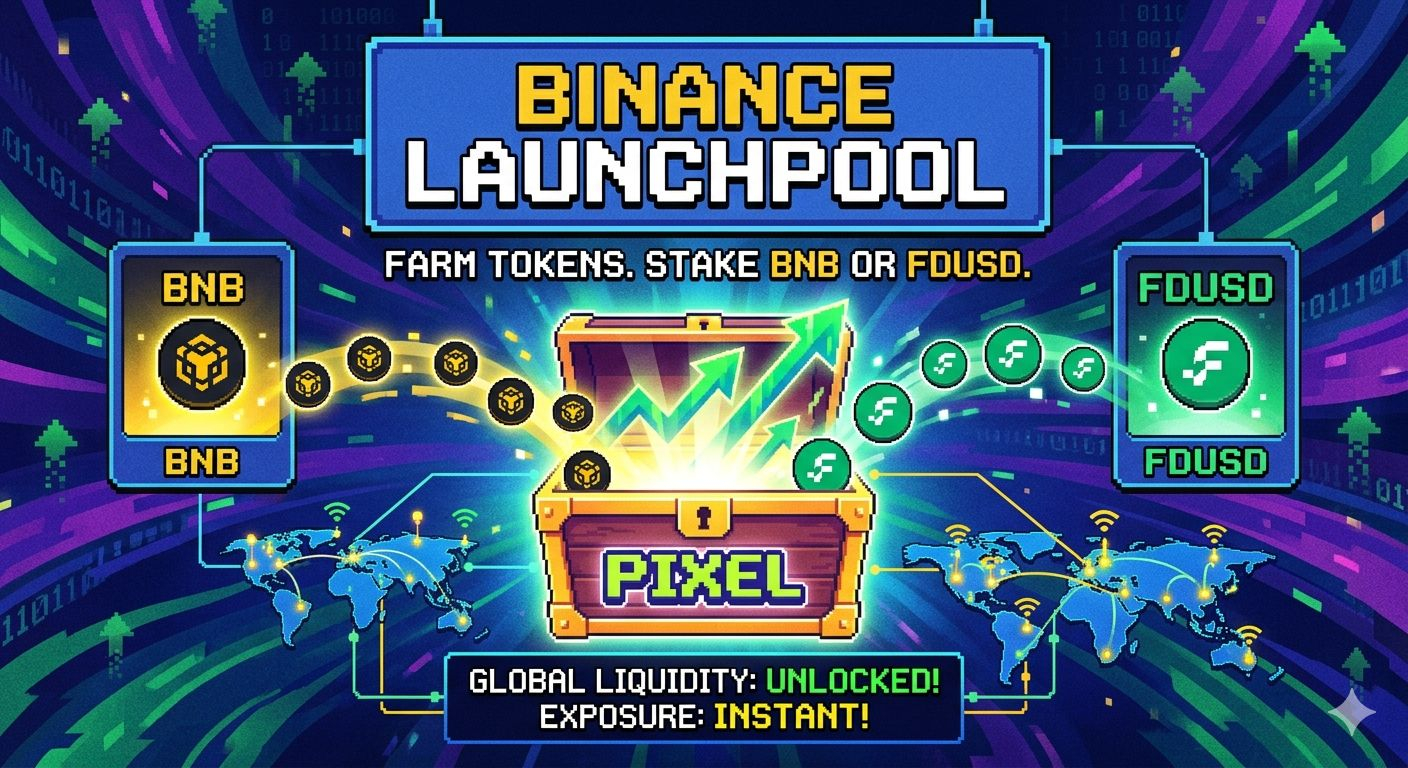
With trading pairs like PIXEL/USDT and PIXEL/BNB, Binance positioned the token as a front-door entry into the GameFi sector, accessible, liquid, and highly reactive to market sentiment.
Tokenomics at a Glance
. Token: Pixels (PIXEL)
. Max Supply: 5 billion
. Use Cases: In-game utility,
. governance, social systems
The key difference here is design. The team actively builds “sinks” into gameplay, features that require spending PIXEL, helping stabilize the economy and avoid the inflation traps that killed earlier play-to-earn models.
Why the Move to Ronin Was Smart
Pixels didn’t just switch chains randomly. Moving from Polygon to Ronin was a calculated upgrade:
. Near-zero fees make constant in-game transactions viable
. A gaming-native ecosystem brings ready users and infrastructure
. Proven scalability supports large daily active user counts
In short, it aligned the game with where Web3 gaming actually thrives.
What’s Next for PIXEL?
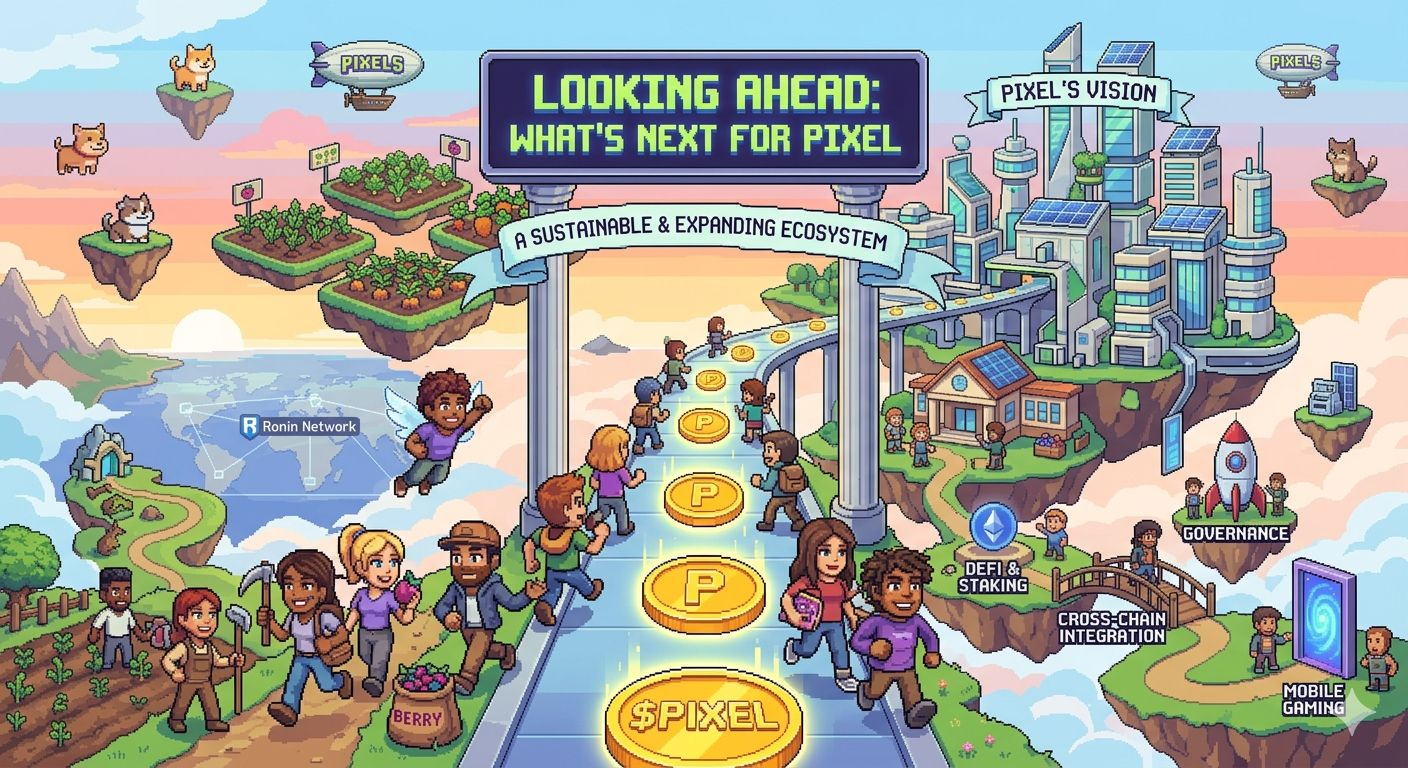
Looking ahead, Pixels is
Looking ahead, Pixels is aiming bigger than just one game. The vision is a connected ecosystem where external NFT projects can plug in, making PIXEL a shared currency across experiences.
That kind of interoperability could turn it from a game token into something closer to a gaming-layer asset.
So… Is PIXEL Worth Watching?
PIXEL isn’t just riding hype, it’s backed by real usage. A strong DAU base, active guild systems, and continuous feature expansion give it more substance than most GameFi tokens.
That said, it’s still a high-volatility asset tied to both crypto sentiment and player engagement. If you’re tracking it on Binance, watch user growth, in-game spending, and ecosystem partnerships closely.
Final Take
Pixels represents a more mature phase of Web3 gaming, where fun, ownership, and economics actually align. If that balance holds, PIXEL could remain one of the defining tokens in the GameFi space.