

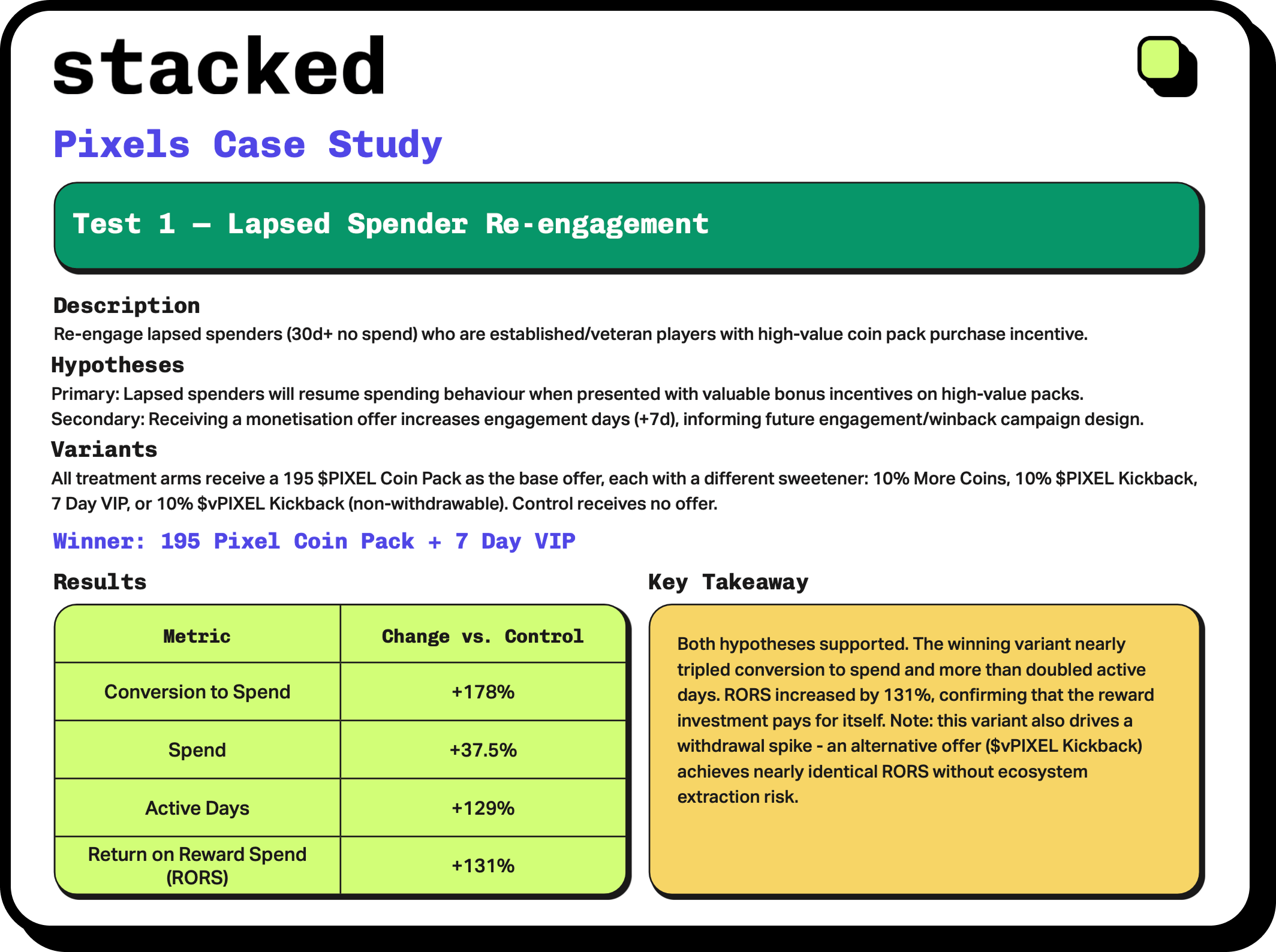
 The biggest challenge in Web3 gaming has never been attracting users — it’s keeping the system stable after they arrive. Many projects manage to create excitement early on, but very few are able to maintain a balanced economy over time. Rewards get exploited, bots take over, and eventually the system becomes unsustainable.
That’s why the approach taken by @Pixels with $PIXEL feels different.
Instead of focusing only on distributing rewards, the ecosystem is designed around how and when rewards should be given. This shift might seem small, but it changes the entire structure of a game economy. Rather than rewarding every action equally, the system prioritizes meaningful engagement.
This is made possible through the Stacked ecosystem, which acts as a smart reward engine. It analyzes player behavior, engagement patterns, and retention signals to determine what kind of rewards are most effective. The goal is not just to give rewards, but to improve long-term player activity.
One of the key benefits of this approach is that it reduces exploitation. In many traditional play-to-earn models, rewards can be farmed through repetitive or automated actions. But when rewards are tied to behavior and value, it becomes much harder for bots to take advantage of the system.
This creates a more balanced environment where real players benefit the most.
Another important development is how $PIXEL is expanding its role. Instead of being limited to a single game, it is gradually becoming part of a broader ecosystem. As more games integrate with Stacked, the token can be used across multiple experiences.
This shift introduces a network effect. The more games that adopt the system, the more utility the token gains. And as utility grows, so does its relevance within the ecosystem.
There is also a larger economic idea behind this model.
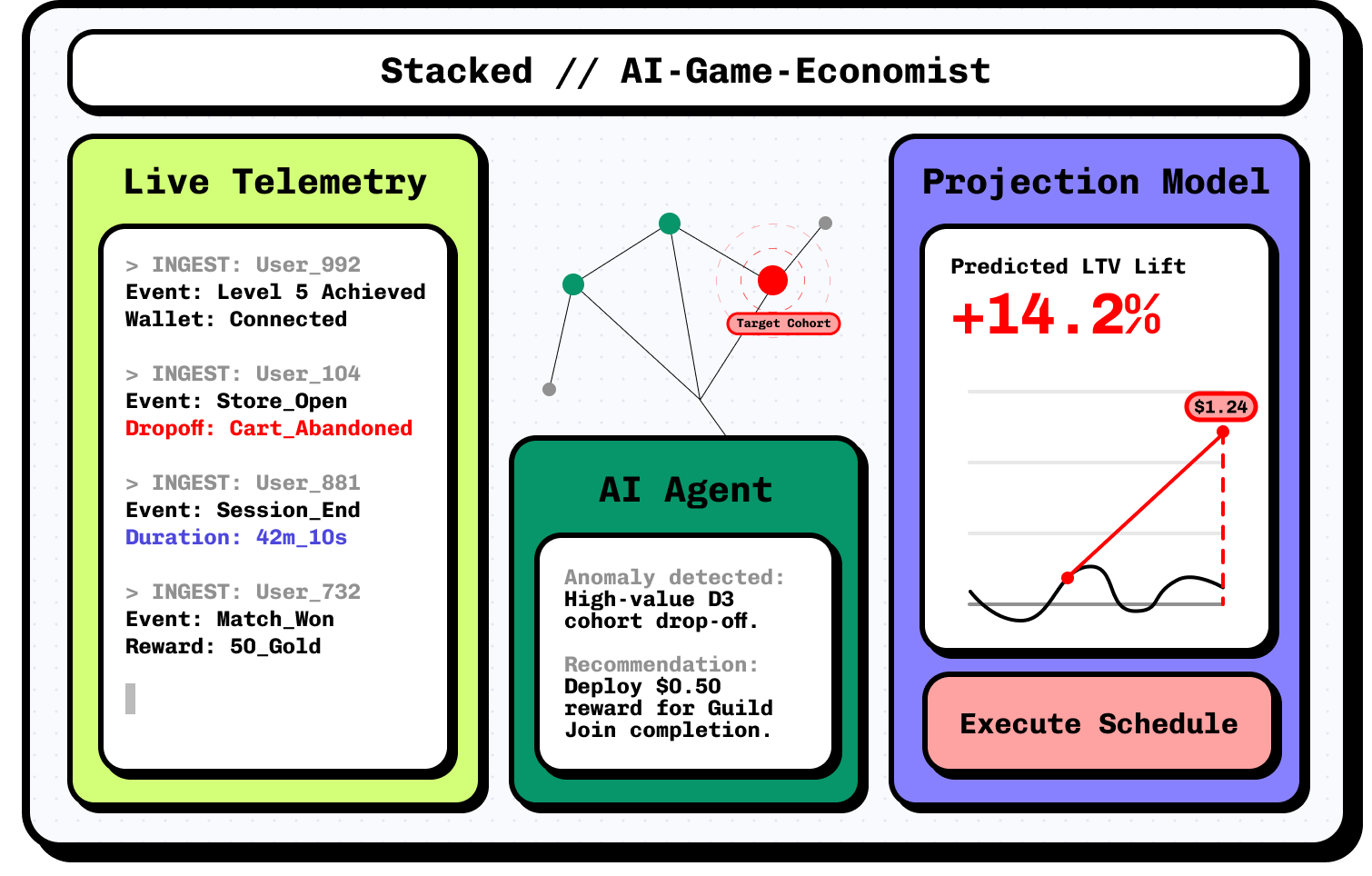
Game developers traditionally spend large amounts of money on marketing and user acquisition. However, much of that spending does not directly benefit players. With systems like Stacked, a portion of that value can be redirected toward rewarding players who actively engage with the game.
This creates a more efficient loop:
Players contribute value → rewards reinforce engagement → the ecosystem grows stronger.
What makes this model more credible is that it is already being tested in a live environment. @Pixels has been operating at scale, processing rewards and refining its systems based on real user behavior. This kind of experience is difficult to replicate and gives the project a practical advantage.
Over time, this could position $Pixel as more than just a gaming token. It could become part of a broader infrastructure that supports multiple games and reward systems.
In a space where many projects rely on short-term incentives, this focus on long-term structure stands out.
If this direction continues, it may not just improve one ecosystem — it could influence how reward systems are designed across Web3 gaming as a whole.