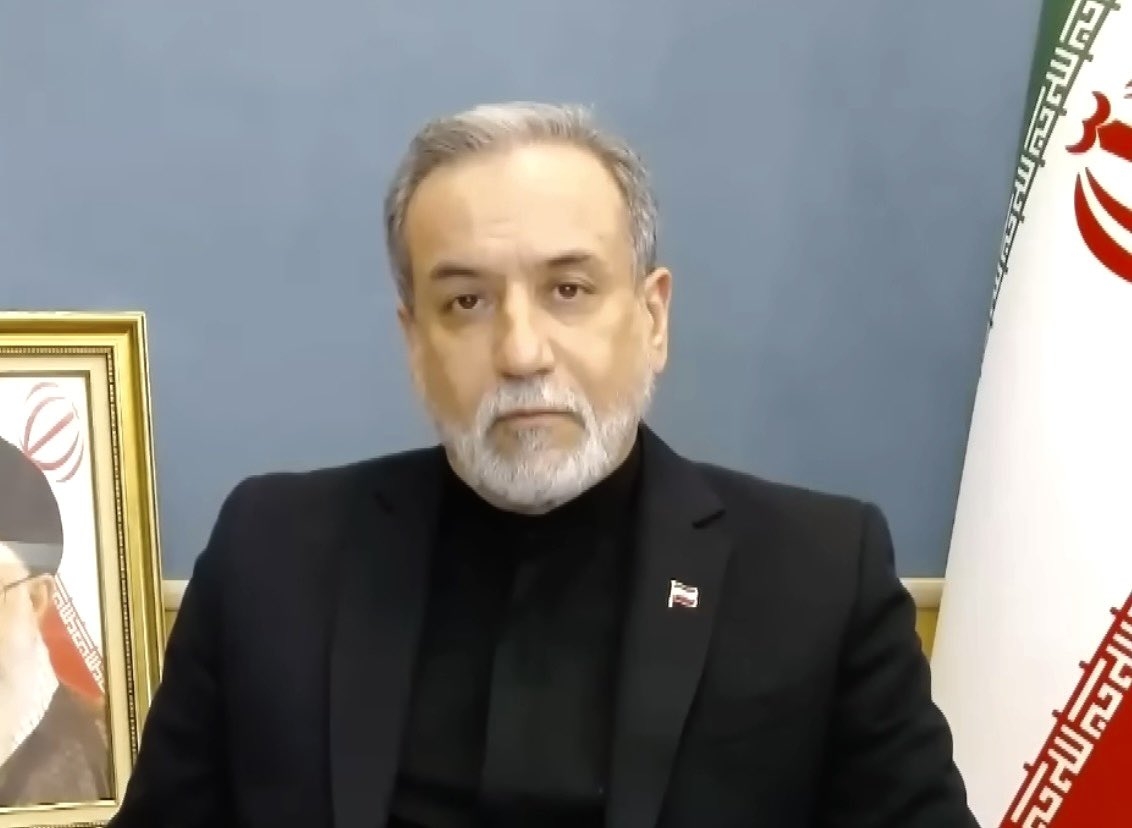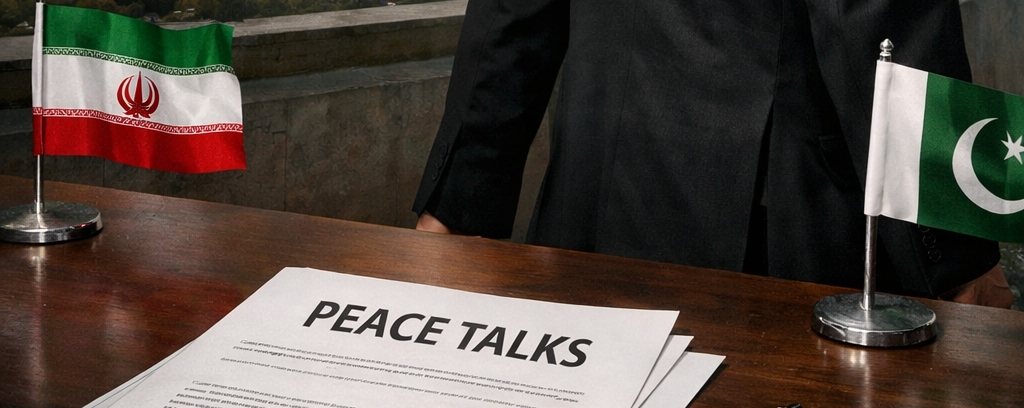
Iran has refused to participate in the upcoming Islamabad talks, despite expectations that negotiations would soon begin .
Key reasons for Iran's refusal:
Violation of Ceasefire: Iran argues that the U.S. is not serious about peace and has violated the 15-day ceasefire agreement by maintaining a blockade, seizing an Iranian ship, and detaining its crew .
Unrealistic Demands: Iran considers U.S. proposals regarding their nuclear program—specifically the demand to hand over enriched uranium to a third party like the U.S. or Pakistan—to be "unrealistic" and "non-serious" .
U.S. Lack of Sincerity: The Iranian spokesperson, Ismail Baghaei, stated that Iran will not accept ultimatums or threats, such as those targeting power infrastructure, and emphasized that the U.S. is not acting in good faith .
Diplomatic Implications:
Military Involvement: General Asim Munir reportedly spoke with Donald Trump to urge a step back from these aggressive tactics to keep the negotiation process alive .
Deadlock: The situation reveals a significant deadlock, with both sides posturing and the U.S. attempting to maintain an "upper hand" while under pressure from global criticism and domestic issues .
Economic Context for Pakistan:
The host notes that while Shehbaz Sharif is pushing for these international talks, Pakistan is currently struggling with internal economic crises, including high inflation and energy shortages .
He concludes by cautioning that resolving international conflicts will not automatically fix Pakistan's internal economic problems; the government must address these domestic issues separately and simultaneously .