
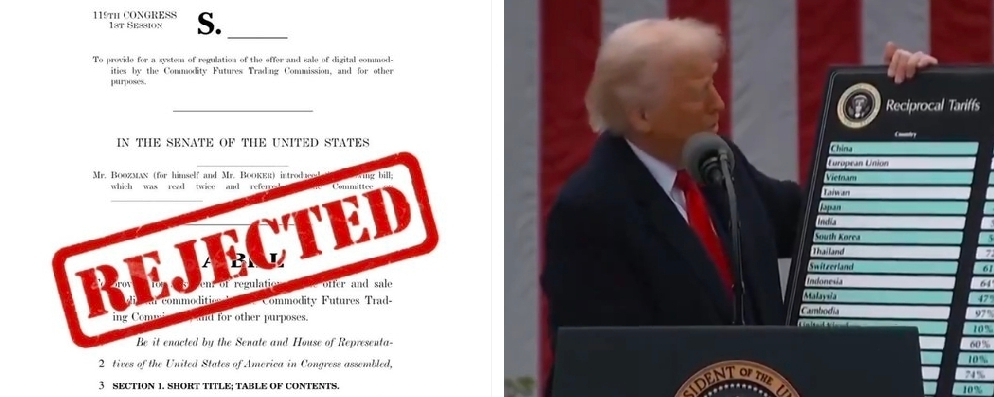

A major economic shift is unfolding today, and from my perspective, it’s one of the most overlooked liquidity events right now. Businesses across the U.S. can officially begin claiming refunds on tariffs that were ruled illegal, with an estimated $166 billion set to flow back into the economy. This isn’t a small policy change it’s a large-scale release of capital.
What stands out to me is the structure of this move. Around 330,000 importers are now eligible under the newly launched refund system. Unlike traditional stimulus, this money isn’t being handed directly to consumers—it’s going back to businesses that have been carrying these costs for years. That difference matters because it changes how the money will move.
From where I’m standing, this feels more like a balance sheet reset than a spending surge. Companies suddenly regaining access to capital can improve cash flow, reduce financial pressure, and create room for new decisions—whether that’s expansion, hiring, or simply stabilizing operations.
Another thing I’m noticing is the timing. With markets already navigating uncertainty, injecting this level of liquidity into the system could influence sentiment quickly. When businesses feel less constrained financially, it often translates into broader confidence across sectors.
At the same time, I think it’s important to stay realistic about how this plays out. Not all of this $166 billion will immediately circulate. Some of it will likely go toward debt reduction, reserves, or delayed obligations. The real economic impact will depend on how aggressively companies choose to deploy this capital.
From my perspective, the key takeaway is simple:
This isn’t just a refund—it’s a release of pressure.
A release that has the potential to ripple through the economy in different ways depending on how businesses respond.
Right now, the process is just beginning.
But when capital at this scale starts moving, even gradually, it can reshape momentum across markets, industries, and overall economic direction.
And that’s why this moment matters more than it might seem at first glance.