
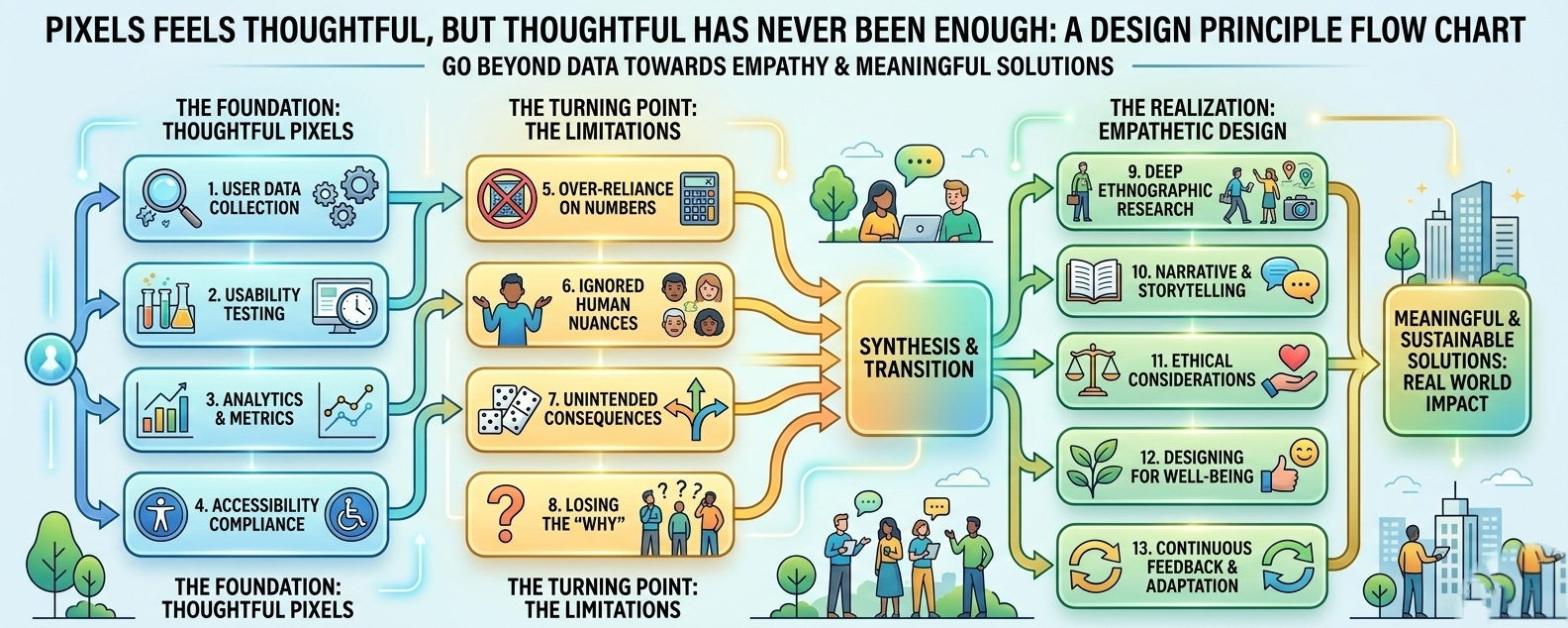
I’ve seen this kind of thing before. Not Pixels specifically, but the shape of it. The feeling it gives off.
A soft world. Farming loops. Resource gathering. A bit of exploration layered on top so it doesn’t feel too repetitive. Then ownership. Tokens. Land. Progress that’s meant to mean something outside the game itself. It’s familiar in a way that doesn’t immediately trigger excitement anymore. More like recognition.
Pixels sits in that strange intersection where effort is clearly visible. You can tell someone cared about how it feels. The pacing, the aesthetic, the small details that try to make it more than just another token wrapper around a game loop. It doesn’t scream at you. It doesn’t try too hard to look like the future. That alone puts it ahead of most things in this space.
But I’ve learned not to trust that instinct. Not fully.
Good design is cheap compared to real adoption. That’s the part people keep forgetting.
Over the years, I’ve watched projects that looked far worse than this survive. And others that were genuinely thoughtful disappear without much noise. The difference was rarely the product itself. It was whether people actually needed it, or just enjoyed the idea of it for a few weeks.
Pixels feels like something people can enjoy. That’s not nothing. But enjoyment is fragile. Especially when it’s tied to an economy.
The Web3 gaming loop has this recurring problem. It tries to merge two systems that don’t naturally align. Games are supposed to be fun first. Economies are supposed to be efficient. When you force them together, something breaks. Either the game becomes a grind masked as opportunity, or the economy collapses because the “fun” layer can’t sustain the outflows.
I don’t think Pixels has solved that. I’m not even sure it’s trying to. It feels more like it’s carefully stepping around the problem. Keeping things light, social, casual. Not promising too much. Which is smart. But also… incomplete.
There’s a quiet tension in it.
On one side, you have a game that wants to be accessible. Something you can open without thinking too hard. Farm a bit. Explore. Maybe build something over time. On the other side, you have the underlying structure that suggests permanence. Ownership. Assets that matter. Time that translates into value.
Those two ideas don’t sit comfortably together for long.
If progression matters financially, it stops being casual. If it stays casual, the financial layer starts to feel unnecessary. That’s where most of these projects drift. Not failing outright. Just losing clarity.
And then there’s the broader fatigue.
People don’t talk about it much, but it’s there. You can feel it in how new launches are received. The same phrases, slightly rearranged. “Open world.” “Player-owned economy.” “Community-driven.” It used to be enough to spark curiosity. Now it just blends into the background.
Pixels avoids some of that noise by not overexplaining itself. It shows instead of tells. That helps. But underneath, the narrative is still part of that same cycle. A better version of it, maybe. More polished. More restrained. Still familiar.
What I keep coming back to is friction.
Not technical friction. That part is getting better across the board. Wallets are smoother. Networks like Ronin remove a lot of the cost and speed issues that used to kill user experience. That’s progress, no question.
But behavioral friction is still there.
Why would someone stay?
Not for a day or a week. That part is easy. Curiosity can carry anything for a short time. I’m thinking longer than that. Months. Years, even. What pulls them back when the novelty fades?
If the answer is earnings, it becomes a different kind of game. If the answer is fun, then the token layer becomes harder to justify. If it tries to be both, it risks being neither.
Pixels hasn’t answered that yet. Or maybe it has, and it’s just too early to see.
There’s also the question of necessity. It’s one I’ve started asking more often than I used to.
Does this need to exist onchain?
Not in theory. In practice.
Would removing the blockchain layer break the core experience? Or just remove the financial angle? If it’s the latter, then the entire premise starts to feel a bit thinner. Not useless. Just… optional.
And optional things don’t always survive when attention moves on.
Still, I can’t dismiss it outright.
There’s restraint here. That matters more than people think. Most projects fail because they try to do too much, too loudly, too quickly. Pixels feels like it’s taking a slower path. Building something that at least resembles a real game before leaning fully into the economy.
That gives it a different kind of chance. Not a guarantee. Just a slightly better position.
But I’ve seen “good positioning” fail before. Many times.
Sometimes the market just moves past you. Sometimes users never quite connect in the way you expected. Sometimes the design is solid, but the need was never really there to begin with.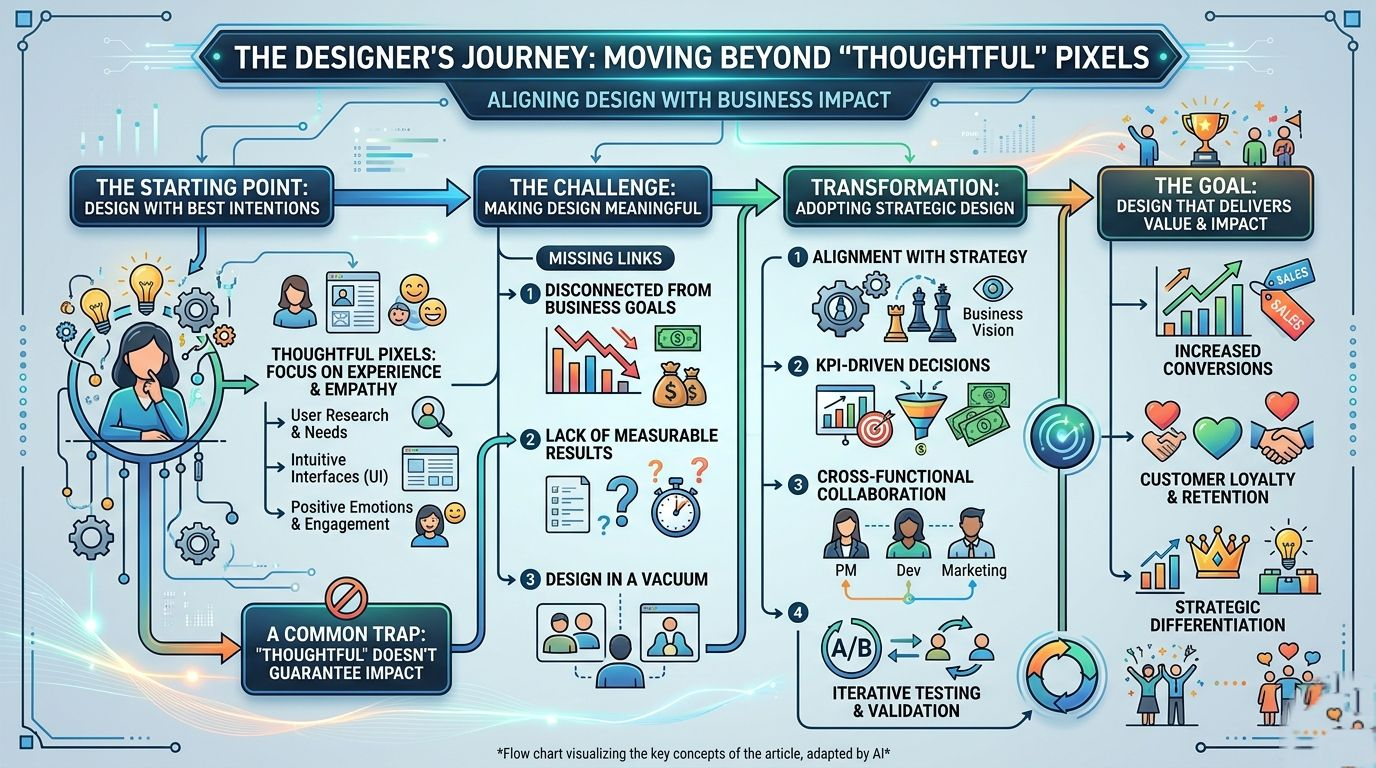
And sometimes things work for reasons that have nothing to do with the product at all.
That’s the part that never gets easier to predict.
So I watch it the same way I watch most things now. Without urgency. Without assuming it’s going to change anything. Just observing how it evolves, how people interact with it, whether it holds attention when there’s no obvious incentive to stay.
It might grow into something meaningful. It might quietly fade once the initial wave passes.
Right now, it sits somewhere in between.
