
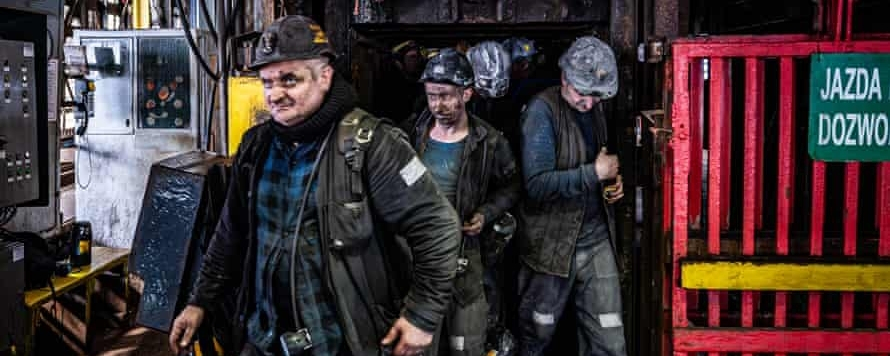
Jest fotografia, która zostaje ze mną z tego artykułu w Guardianie.
49-letni górnik o imieniu Rafal Dzuman, schodzący z pracy. Pył węglowy tak drobny, że na stałe wyrysował cienką czarną linię wokół jego oczu — jak makijaż, którego nigdy nie może całkowicie usunąć. Dwadzieścia lat schodzenia 700 metrów pod ziemię, każdego dnia, w kopalni, która działa od połowy XVII wieku.
Ten obraz uchwyca coś, czego statystyki i dokumenty polityczne nigdy tak naprawdę nie mogą. To nie jest tylko historia transformacji energetycznej. To historia ludzka.
Polska jest ostatnim krajem w Unii Europejskiej, który wciąż w pełni zobowiązuje się do wydobycia węgla. 80 000 osób schodzi każdego dnia pod ziemię w Górnym Śląsku. Około 200 000 jest zatrudnionych w aktywnych kopalniach i szerszym łańcuchu dostaw. Węgiel wciąż generuje około połowy energii elektrycznej w Polsce. A rezerwy w niektórych kopalniach szacuje się na kolejne 50 lat.
Jednak decyzja polityczna została już podjęta w Brukseli. Dekarbonizacja nie jest pytaniem 'czy' — to pytanie 'kiedy' i 'jak szybko'. Docelowa data to 2049, chociaż niektóre prognozy sugerują, że węgiel może zostać wycofany całkowicie do 2035 roku.
Napięcie w tej historii jest realne i zasługuje na poważne traktowanie ze wszystkich stron.
Z jednej strony argument ekologiczny jest jednoznaczny. Węgiel to zanieczyszczające paliwo kopalne, które bezpośrednio przyczynia się do zmian klimatycznych. Europejski Zielony Ład istnieje z uzasadnionych naukowych i moralnych powodów. Dwie trzecie polskich kopalni już zamknięto lub przekształcono — niektóre w muzea, niektóre w galerie sztuki, jedna w pole golfowe, inna jest przekształcana w centrum gier i technologii. Transformacja jest już w toku i produkuje naprawdę interesującą reinwencję.
Z drugiej strony ludzka i ekonomiczna złożoność jest ogromna. Gdy cała tożsamość regionu — jego szkoły, rodziny, język, jego patron — została uformowana przez jeden przemysł przez wieki, finansowanie 'sprawiedliwej transformacji' i programy przekwalifikowania, jakkolwiek dobrze zamierzone, nie mogą po prostu zastąpić tego, co jest tracone z dnia na dzień. Związek górników podnosi słuszną kwestię: jeśli tempo transformacji będzie zbyt szybkie, nowe miejsca pracy w nowych sektorach nie powstaną wystarczająco szybko, aby wchłonąć straty.
A potem jest geopolityczny problem, którego nikt nie przewidział.
Konflikt na Bliskim Wschodzie znacznie podniósł ceny ropy i gazu. Nagle obliczenia ekonomiczne wokół węgla — już skomplikowane — znów się zmieniły. Pytania, które wydawały się ustalone, są ponownie otwierane. Czy jest racjonalne przyspieszenie wycofywania krajowego źródła energii w okresie globalnej zmienności cen energii? Jak wygląda bezpieczeństwo energetyczne, gdy zewnętrzne łańcuchy dostaw są zakłócone?
To nie są wygodne pytania dla zwolenników zielonej transformacji. Ale są to pytania zasadne, a ignorowanie ich nie sprawia, że znikają.
Jest szczegół w tym artykule, do którego ciągle wracam.
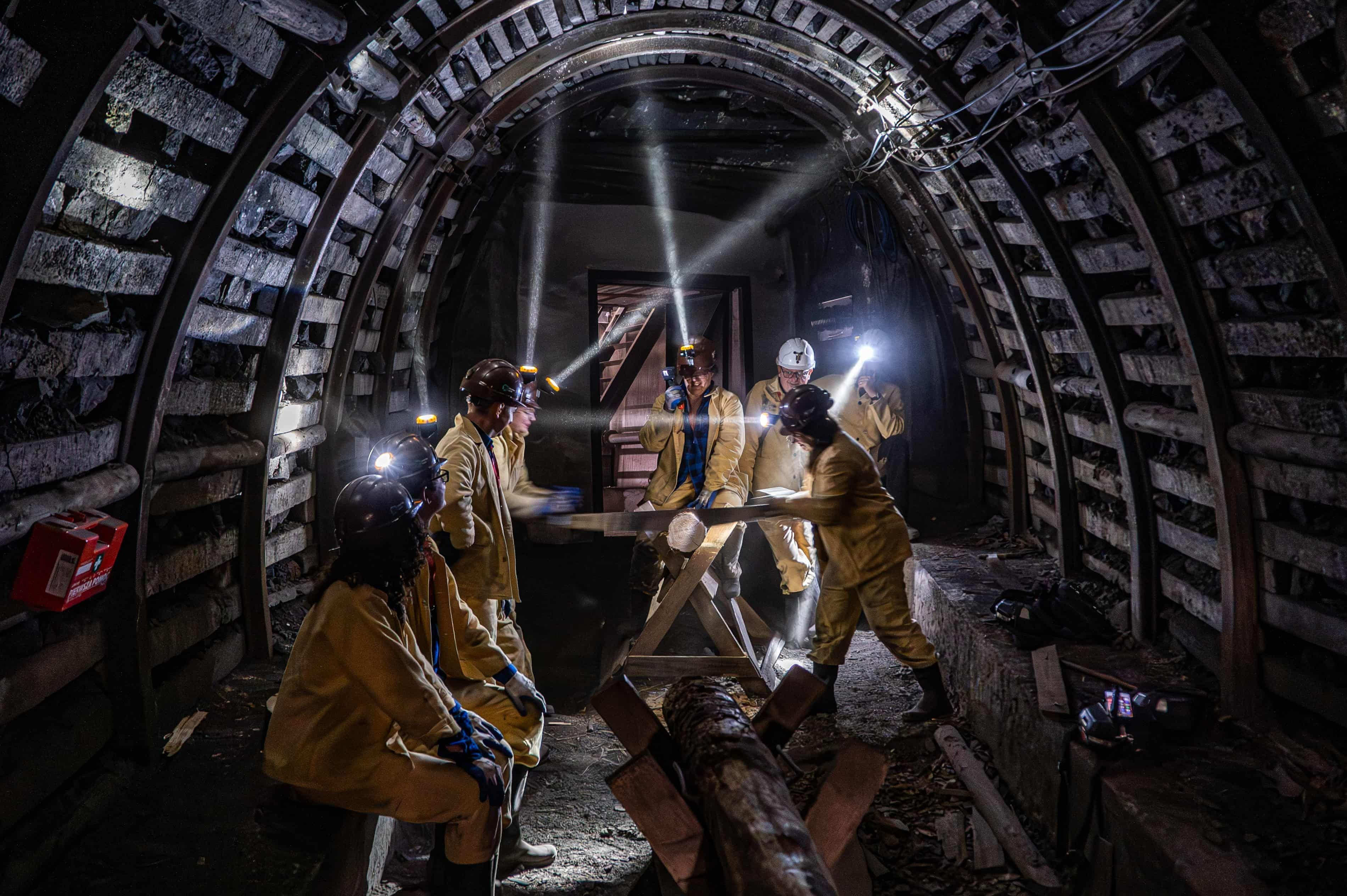
Siedemnastoletni Wiktor Dudek, w kasku, siedzi w tunelu-laboratorium pod swoją szkołą w Rybniku, ucząc się, aby zostać górnikiem. Jego dziadek był górnikiem. Jego ojciec był górnikiem. I tak, postanowił, że on też będzie.
"Perspektywy dla nas, młodych ludzi, nie są różowe," mówi. "Ale to jest nasza tradycja."
To nie jest ignorancja. To tożsamość. A tożsamość nie rozpuszcza się po prostu dlatego, że ramy polityki w Brukseli ustaliły termin.
Szczera prawda jest taka, że transformacja energetyczna jest konieczna, nieunikniona i głęboko zakłócająca prawdziwe społeczności w sposób, który często omawiany jest w sposób abstrakcyjny przez ludzi, którzy ich nie doświadczają. Historia węgla w Polsce przypomina, że sposób, w jaki dokonujemy tej transformacji, ma znaczenie równie duże jak to, czy ją przeprowadzimy.
Świat wydobył więcej węgla w 2025 roku niż w jakimkolwiek poprzednim roku — ponad 9 miliardów ton na całym świecie. 85 milionów ton z Polski to mniej niż 1% tej sumy. Wycofanie go samo w sobie nie rozwiąże kryzysu klimatycznego. Ale zasadniczo przekształci życie setek tysięcy ludzi w jednej z najbardziej historycznie osadzonych społeczności przemysłowych w Europie.
Zasługują na przejście, które jest szczere w odniesieniu do tego ciężaru.
#EnergyTransition #ClimatePolicy #EuropeanGreenDeal #Poland #JustTransition onnet 4.6


