
I wasn’t doing anything special that day. Just scrolling, testing a few AI tools the way you do when you’re a bit bored but still curious enough to explore. Nothing serious, no big expectations.
Then one response made me pause.
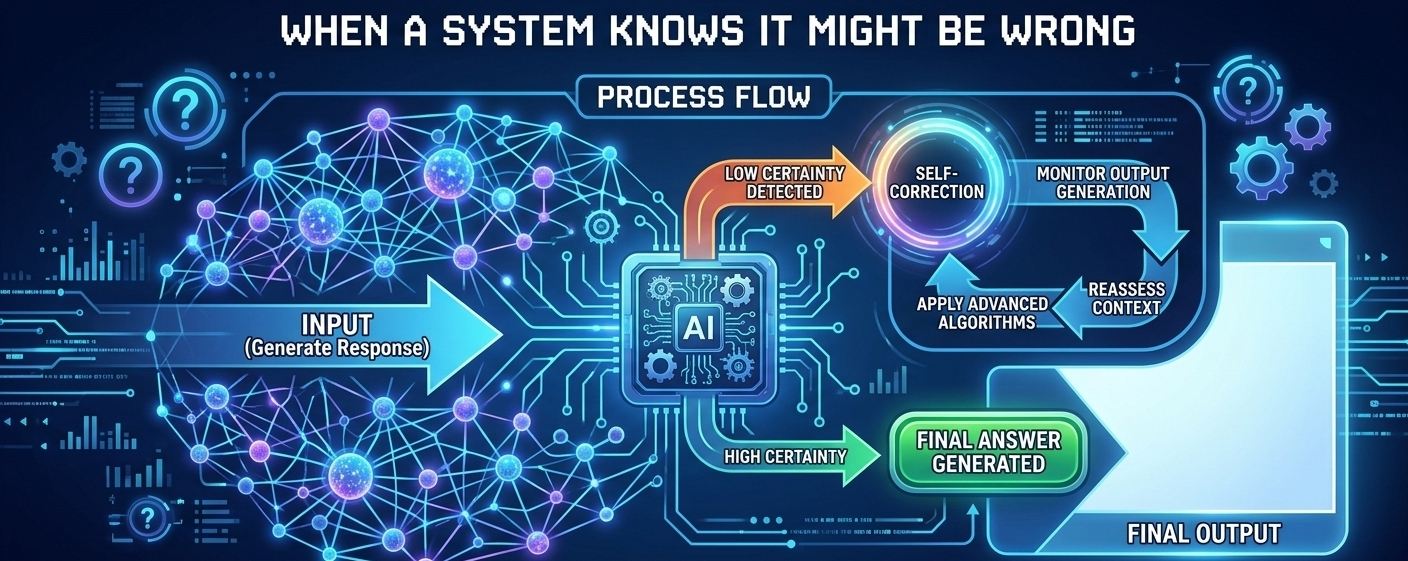
It wasn’t flashy. It didn’t feel smarter than the others. If anything, it felt slower… more careful. Instead of jumping straight to an answer, it hesitated a little. It asked for clarity. And when it finally responded, it didn’t sound overly confident.
At first, I thought something was off.
We’re so used to systems that sound sure of themselves. You ask, they answer. Clean, direct, confident. Even when they’re wrong, they rarely feel wrong.
But this one felt different.
It didn’t try to impress me. It felt like it was trying not to mislead me.
That stayed in my mind longer than I expected.
Because if you think about it, most of the tools we use today are built to perform. Faster answers, sharper outputs, more confidence. Everything is about looking capable. And honestly, that’s what we’ve learned to expect.
But this felt… human in a strange way.
Not perfect. Not all-knowing. Just aware of its own limits.
And that’s rare.
It made me reflect on how we deal with uncertainty. In trading, in tech, even in everyday decisions — we’re constantly working with incomplete information. We guess more than we realize. We just don’t like to admit it.
But our tools usually hide that reality. They give answers that sound complete, even when they’re not.
This one didn’t.
It left a bit of space. A small gap where you had to think for yourself.
At first, that felt uncomfortable. Like the system wasn’t doing its full job. But after a while, I started to see it differently.
Maybe that gap is the point.
Maybe the goal isn’t to remove uncertainty completely. Maybe it’s to remind us that it’s always there.
There’s something honest about that approach. It doesn’t try to control your decision. It just gives you something to work with — and lets you decide what to do next.
But I also wonder how people will react to this kind of design.
Because let’s be real — confidence is easy to trust, even when it’s fake. Doubt takes effort. It slows you down. It forces you to think.
And not everyone wants that, especially in fast-moving spaces where quick decisions feel like everything.
Still, that small moment stuck with me.
Not because the system was better.
But because it felt more real.
Like instead of pretending to know everything, it quietly admitted… it doesn’t.
And somehow, that made me trust it a little more.
