
#USIranconflict #USIranStandoff $PEPE $RIVER $DOGE
Globalny rynek energii znowu się rozgrzewa—i tym razem nie chodzi tylko o ropę. Chodzi o władzę, kontrolę i wpływy.
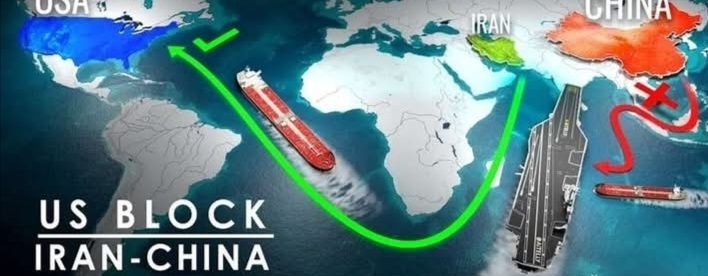
Ostatnio Stany Zjednoczone podjęły odważny krok, przejmując irański statek towarowy, który podejrzewano o przewożenie wrażliwych materiałów, być może związanych z użyciem wojskowym. Statek ten był podobno na trasie połączonej z Chinami, co podkreśla głębszy problem: trwająca walka o kontrolę nad przepływem irańskiej ropy—szczególnie w kierunku Chin. �
Reuters
⚔️ Co się naprawdę dzieje?
USA zaostrza swoje wpływy na Iran poprzez:
🚫 Blokady morskie na kluczowych szlakach ropy
⚓ Przechwytywanie statków związanych z handlem irańskim
💼 Sankcje skierowane przeciwko firmom z siedzibą w Chinach kupującym irańską ropę
To nie jest przypadkowe. Cel jest jasny:
👉 Odciąć dochody z ropy Iranu, które Waszyngton uważa za finansujące programy militarne i nuklearne. �
South China Morning Post
Jednocześnie Chiny—będąc największym nabywcą ropy Iranu—ciągle znajdują sposoby na kontynuowanie tego handlu, często poprzez pośrednie lub „cieniowe” szlaki. �
CNBC
🛢️ Dlaczego Chiny są tak ważne
Chiny są kluczowym graczem w tej historii:
Kupuje ogromne ilości przecenionej irańskiej ropy
Pomaga Iranowi przetrwać finansowo mimo sankcji
Kwestionuje dominację USA w globalnych systemach handlowych
Nawet gdy sankcje się zaostrzają, raporty sugerują, że ropa wciąż płynie—po prostu ciszej.
🔥 Wpływ na rynki globalne
Jaki jest rezultat? Natychmiastowe wstrząsy:
📈 Ceny ropy skaczą gwałtownie po każdej eskalacji
📉 Rynki akcji stają się niestabilne
🚢 Szlaki żeglugowe, takie jak Cieśnina Hormuz, są narażone na zakłócenia (szlak przewożący około 20% światowej ropy) �
CNBC
Ostatnie napięcia już podniosły ceny ropy i wstrząsnęły zaufaniem globalnych inwestorów. �
Reuters
🌐 Większe niż tylko ropa
To już nie jest tylko kwestia energii—jest to geopolityczna gra w szachy:
🇺🇸 USA chce kontrolować globalny przepływ energii
🇮🇷 Iran chce przetrwać ekonomicznie
🇨🇳 Chiny chcą zabezpieczyć tanie źródła energii i zwiększyć wpływy
Każdy ruch zwiększa ryzyko:
Globalne niedobory dostaw
Rosnąca inflacja
Jeszcze szerszy konflikt
⚡ Ostateczne myśli
Blokowanie handlu ropą irańsko-chińskim przez USA to więcej niż polityka—
to stawka w walce kształtującej przyszłość globalnej władzy.
Jeśli napięcia będą się utrzymywać, świat może zobaczyć: 👉 Wyższe ceny paliw
👉 Więcej niestabilności gospodarczej
👉 A być może, znacznie większy konflikt geopolityczny