
$PIXEL is built around a simple idea systems don’t break suddenly, they weaken over time.
Recent token crashes..... Wait I'm not talking about $RAVE drastic fall I want to mean 2026 crypto Market crash which have made that very clear. We’ve seen projects rise quickly, attract attention, and then lose most of their value in a short span. It often looks sudden from the outside, but in reality, the weakness builds slowly in the background.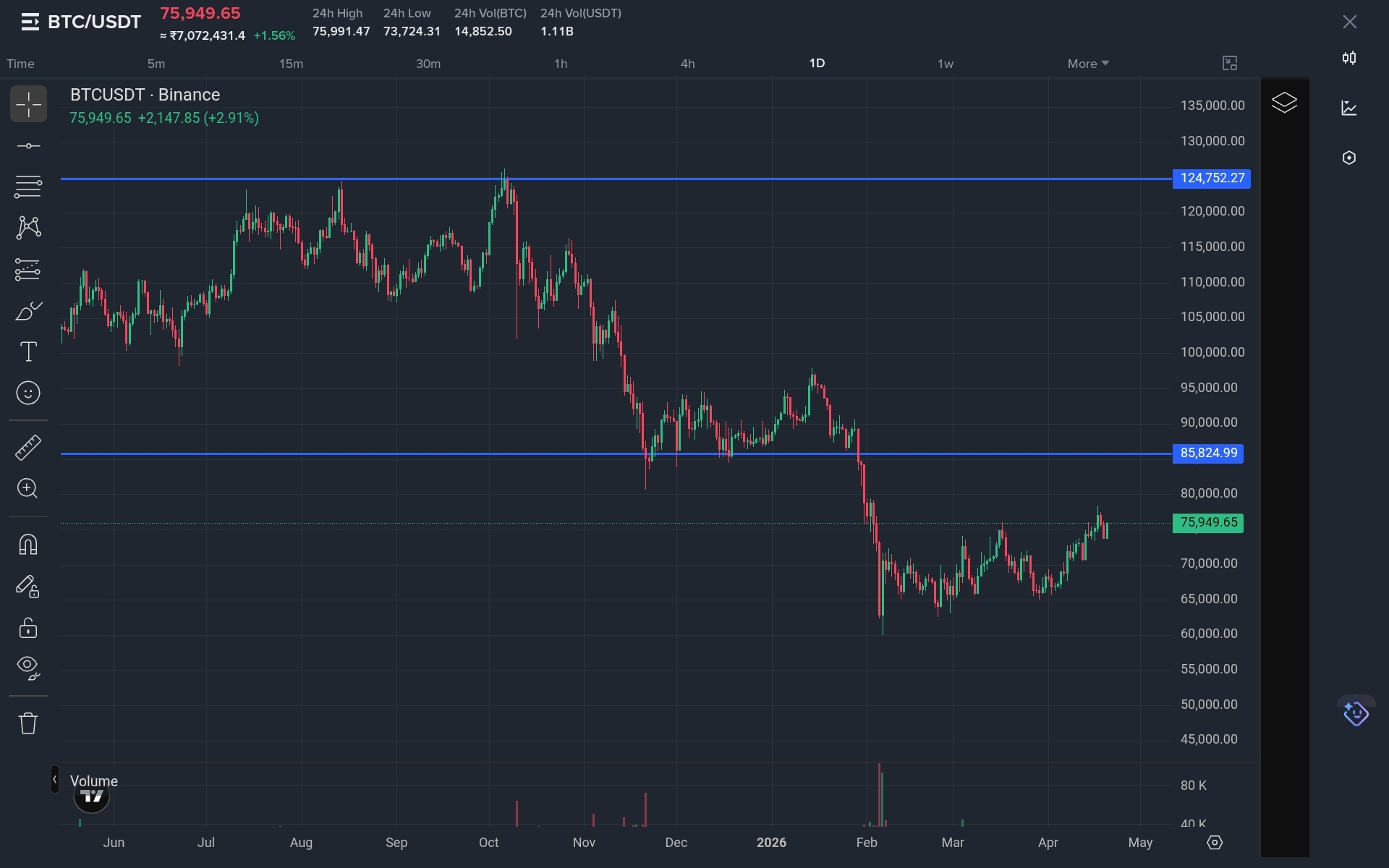
In many Web3 systems, rewards come easily. Players join, earn and then sell. At first, it feels like growth. Activity increases, user numbers go up, and everything looks healthy. But underneath, something else is happening.
Value is mostly moving in one direction.
Players are taking out more than they are putting back in. Over time, this creates pressure. The system depends on new users so it can replace those who leave but that thing does not survive long time. When the inflow slows down, the imbalance becomes visible.That’s when the system starts to break.
We have seen this pattern repeat again and again. A token rises quickly, driven by attention and rewards, but once selling increases and there is not enough internal demand, the drop becomes inevitable .
This is not just a market problem. It is a design problem.
Many systems focus heavily on distribution. They think about how to attract users and how much reward to give, but they don’t focus enough on what happens after the reward is received. If there is no strong reason to stay or use the token, it eventually leaves the system.
Instead of focusing only on how rewards are given, #pixel focuses on what those rewards lead to. The system is designed in a way where value is expected to circulate rather than exit immediately. Rewards are not treated as something that should be taken out as quickly as possible. They are part of a larger structure.This creates a different flow.
The system does not encourage the people to be a prt of a simple earn and sell pattern, it help players to stay engaged, use what they earn and continue participating. This helps to reduce the gap between earning and contribution.
Another important difference is how rewards behave over time. In many systems, once a profitable pattern is found, it gets repeated endlessly. Players optimize for the easiest way to earn, and that single loop starts dominating the system.
@Pixels does not allow that pattern to stay fixed.
Rewards are influenced by participation and overall system activity. This makes it harder for one simple strategy to take over completely. As a result, the system remains more balanced and less predictable.
There is also a focus on efficiency rather than just volume.
Instead of asking how much reward is being distributed, the system looks at what those rewards are producing. Believe me If an activity is not contributing much the impact also becomes less important. If another activity is creating more value, it becomes more significant.
When you compare this to recent token crashes, the contrast becomes clearer. In those cases, rewards were distributed without strong links to long-term value. Once selling pressure increased, there was nothing holding the system together.
In PIXEL, the goal is not to stop players from earning. The goal is to make sure that earning connects back to the system in a meaningful way.That’s what helps maintain balance.
Of course, no system is completely safe from external pressure. Market conditions can always change. But internal design still plays a major role in how a system reacts under stress.
Systems that depend only on growth tend to struggle when conditions shift. Systems that manage value flow tend to hold better.
Recent crashes have made one thing clear.It’s not about how fast a token grows. It’s about how well it holds together when pressure builds.
$PIXEL seems to be built with that in mind.
They do not chase short-term spikes but it focuses on creating a structure where value moves in a more balanced way And that difference might be what keeps it from following the same path as many others.