The cryptocurrency world, two years is equivalent to an entire century. Technologies that were merely in the testing phase or completely non-existent back in 2024 have today become the backbone of the Web3 ecosystem. If your memory of the market is limited to just buying Bitcoin on centralized exchanges (CEXs), you have missed the biggest revolution.The technology has officially moved past the clunky "decentralization" phase and entered the era of being "invisible and convenient." So, what are these tools that have entered our lives over the last two years and completely rewritten the rules of the game?
Retail traders had limited tools, fragmented access to on-chain markets, and almost no exposure to artificial intelligence. Most strategies were manual, slow, and often inefficient. Today, that reality has completely changed.
Intent-Centric Protocols and "Solvers"
Two years ago, if you wanted to swap a token, you had to manually execute every single step: select the correct network, calculate the gas fee, adjust the slippage tolerance, and sign the transaction.
Now, Intent-Centric Architecture has changed everything. You simply declare your "intent" (for example: "Buy me USDC for 1 #ETH at the best possible price"). Complex algorithms and off-chain actors known as "Solvers" work in the background to find the cheapest and fastest route, executing the entire trade on your behalf.

Driven #Web3 Agents
The intersection of Artificial Intelligence and crypto didn't just remain a buzzword; it evolved into highly functional products. Today's AI Web3 Agents don't just give you market data they actively make decisions and execute on-chain transactions for you.
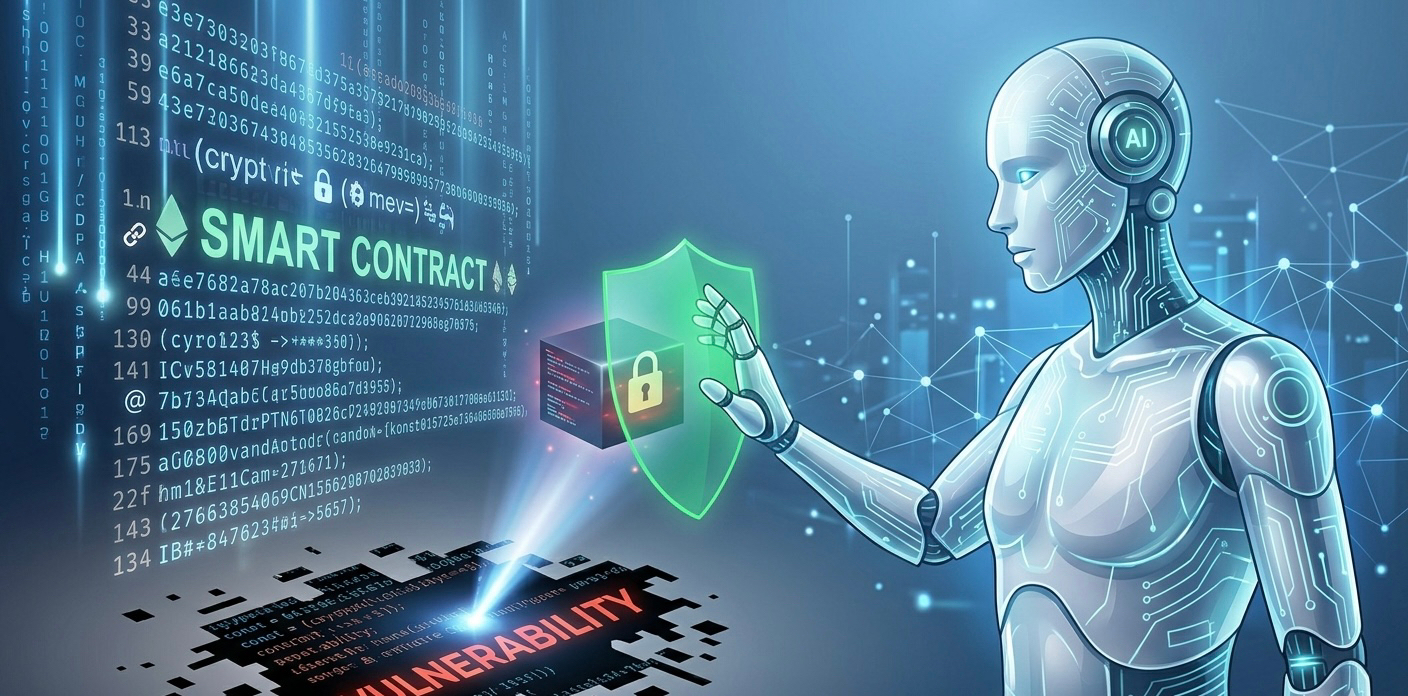
Smart Contract Auditors: Previously, finding vulnerabilities in newly launched project codes took months of human labor. Now, #AI tools scan complex smart contracts in milliseconds, proactively preventing hacks before they happen.
Autonomous Traders: You can simply tell your agent, "Build me a portfolio that yields 10% APY while minimizing my exposure to volatile assets," and it will continuously analyze the landscape, rebalancing your funds across various liquidity pools.
Why it changes everything: It drives human error and emotional trading down to zero. Security is tighter than it has ever been, and everyday users now have access to the exact same execution tools as institutional traders.
"Seedless" Smart Wallets (Account Abstraction)
The era of scribbling 12 or 24 random English words on a piece of paper and hiding it in a safe is officially over. With the full maturation and adoption of the Account Abstraction (ERC-4337) standard, a completely new generation of wallets has taken over.
Biometric Login: You can now open and operate your non-custodial wallet using just FaceID or your fingerprint.
Gas Fee Sponsorship: You are no longer forced to hold a network's native token (like ETH or SOL) just to pay for a transaction. You can pay gas fees using stablecoins (like USDC or USDT), or decentralized applications (dApps) can choose to sponsor the gas fees entirely for you.
The Liquid Restaking Ecosystem
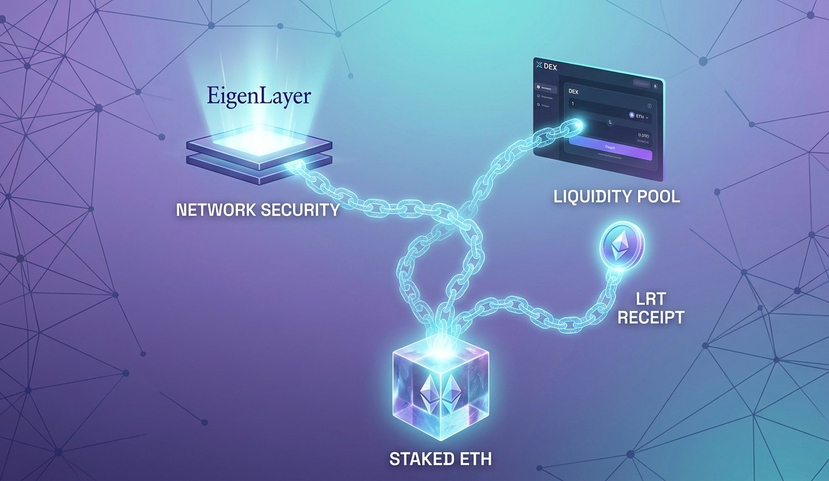
The original concept of staking was simple: lock up your tokens to secure a single network and earn a yield. But with the massive explosion of protocols like EigenLayer and Liquid Restaking Tokens (LRTs), capital efficiency in the crypto market has reached its absolute peak.
Today, you can stake your ETH, take the receipt you get in return (an LRT), "restake" that receipt to secure an entirely different network or oracle, and then take that same asset to use as collateral in a DeFi lending protocol.