
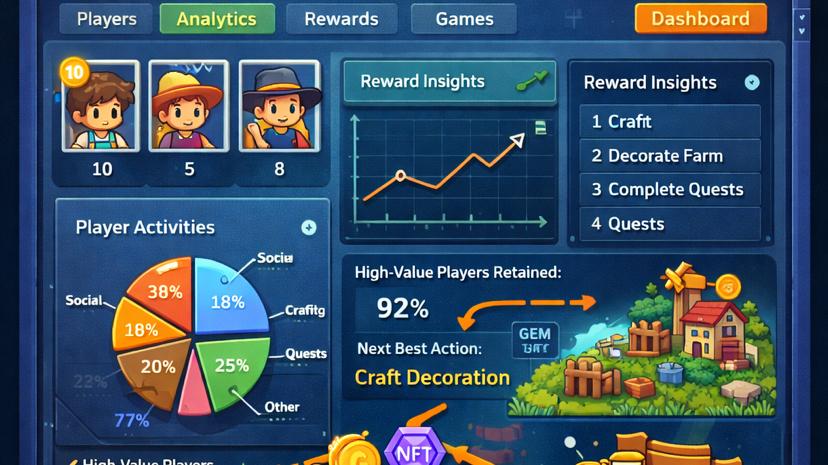
Introduction
The rise of Web3 gaming has introduced new possibilities for how players interact with digital worlds—but few projects have captured attention quite like Pixels.
Initially recognized as a highly popular farming game, Pixels quickly became one of the most played titles in the Web3 space, achieving impressive daily active user numbers. But beyond its early success lies a much bigger vision: transforming play-to-earn (P2E) into a sustainable, scalable model that can bridge Web3 and mainstream gaming.

Beyond a Game: A Vision to Fix Play-to-Earn
From the very beginning, Pixels was never meant to be just another blockchain game. Its core mission is to solve the long-standing challenges of traditional play-to-earn systems.
While P2E introduced the idea of rewarding players financially, many early implementations struggled with:
Unsustainable reward systems
Poor player retention
Misaligned incentives between players and developers
Pixels approaches these challenges differently—by designing a system where player rewards are tied to real value creation, not just repetitive activity.
A Smarter Economic Model for Gaming
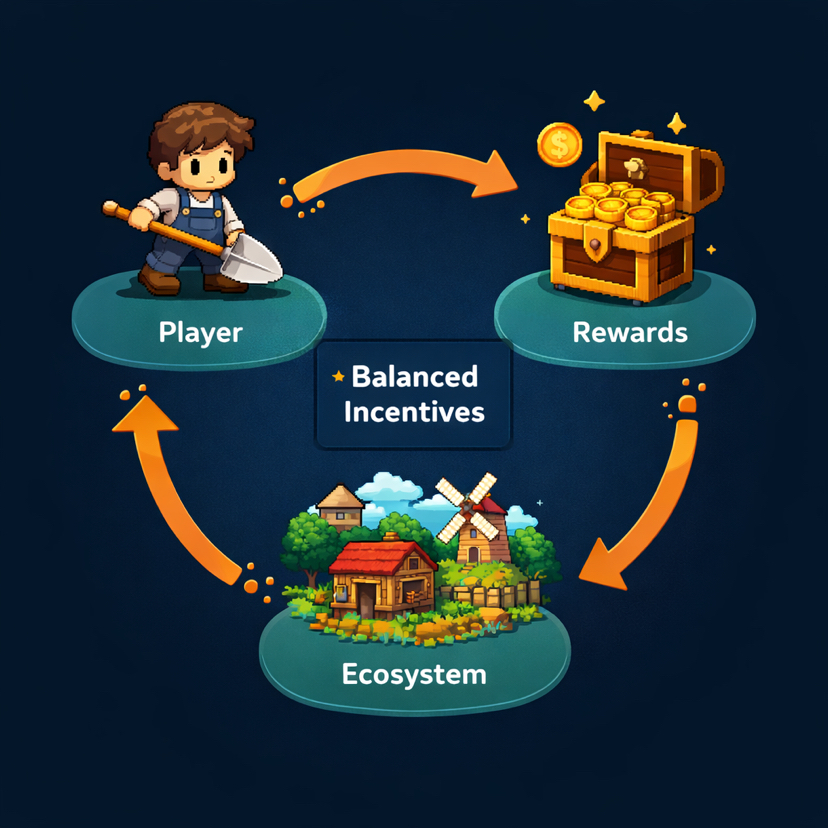
At the heart of #pixel lies a refined economic structure built to encourage long-term engagement. By combining data science, token mechanics, and behavioral insights, Pixels creates a system that rewards meaningful participation.
Instead of distributing rewards blindly, the platform:
Identifies valuable player behaviors
Aligns incentives with ecosystem growth
Encourages sustainable interaction over short-term farming
This approach ensures that rewards strengthen the game rather than weaken its economy.
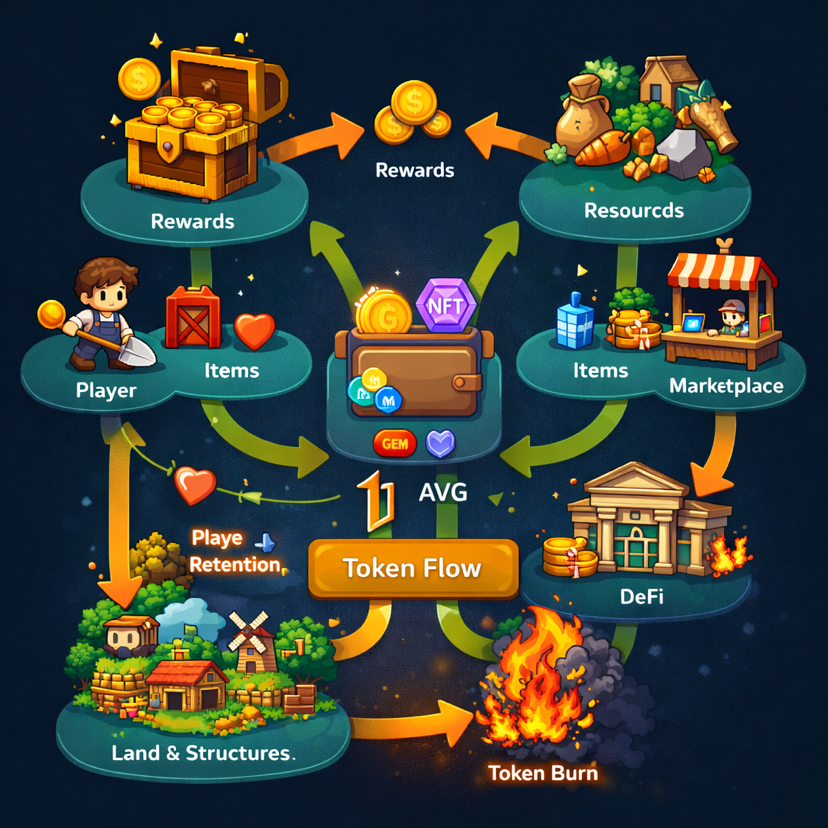
The Three Pillars of Pixels
1. Fun Comes First
No matter how advanced the technology or rewarding the system, one principle remains essential: games must be fun.
Pixels prioritizes player enjoyment above all else. The design philosophy focuses on:
Creating immersive and engaging gameplay
Delivering value beyond financial incentives
Building experiences players genuinely want to return to
This “fun-first” approach ensures that the game appeals not just to crypto users, but to a broader gaming audience.

2. Smart Reward Targeting
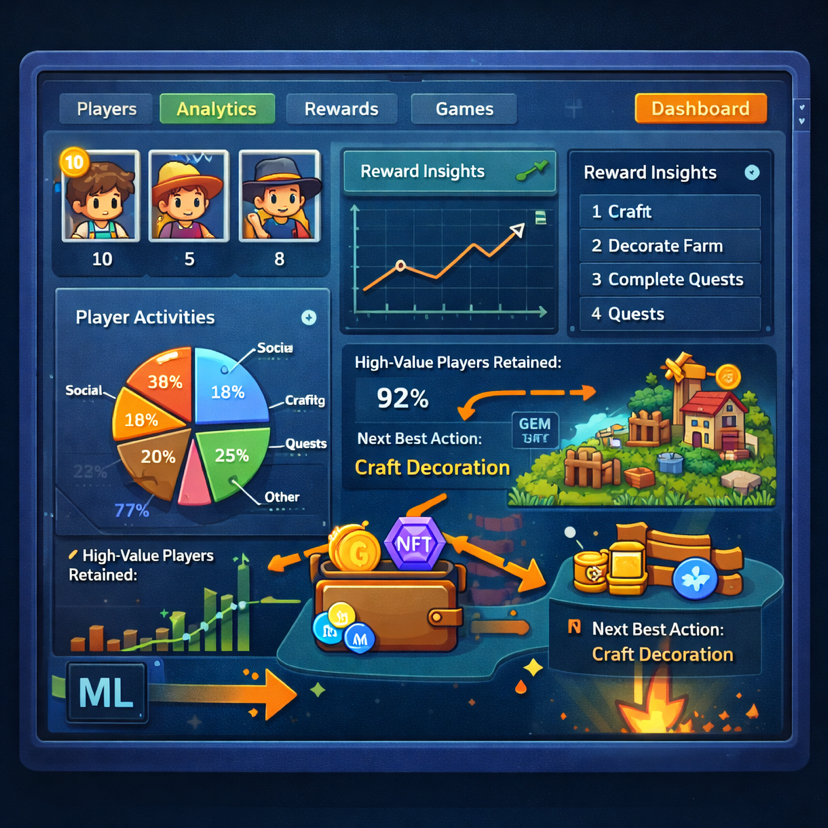
Pixels introduces a highly sophisticated reward system powered by data analytics and machine learning.
Similar to a next-generation ad network, this system:
Tracks player behavior at scale
Identifies actions that drive long-term value
Allocates rewards strategically
By rewarding the right actions instead of all actions, Pixels prevents exploitation and builds a healthier economy.
3. The Publishing Flywheel
One of the most innovative aspects of Pixels is its self-sustaining growth model, known as the publishing flywheel.
Here’s how it works:
Better games attract more players
More players generate richer data
Richer data improves reward targeting
Improved targeting reduces user acquisition costs
Lower costs attract even more high-quality games
This continuous loop creates a powerful ecosystem where growth feeds itself.
Bridging Web3 and Mainstream Gaming
Pixels is not just innovating within Web3—it’s building a model that could reshape the entire gaming industry.
By combining:
Engaging gameplay
Intelligent reward systems
Scalable growth strategies
Pixels is laying the groundwork for a future where play-to-earn becomes play-and-enjoy—and earn sustainably.
Conclusion
@Pixels Pixels represents a shift in how games are designed, monetized, and experienced. By focusing on fun, aligning incentives, and leveraging data-driven systems, it offers a blueprint for the next generation of gaming.
As Web3 continues to evolve, projects like Pixels may be the key to unlocking mainstream adoption—where players don’t just play, but actively contribute to and benefit from thriving digital ecosystems.$PIXEL
