
Rosnące napięcia między Iranem a Stanami Zjednoczonymi ponownie przyciągnęły globalną uwagę.
Wielu obawia się, że sytuacja ta może eskalować w pełnoskalową wojnę.
Jednak głębsza analiza sugeruje, że chodzi bardziej o presję strategiczną niż o rzeczywisty konflikt.
Historycznie, oba narody angażowały się w silną retorykę, nie przekraczając granicy bezpośredniej wojny.
Koszt wojny w dzisiejszym połączonym świecie jest zbyt wysoki dla obu stron.
Stabilność gospodarcza, globalne sojusze i presje wewnętrzne działają jako silne bariery.
Stany Zjednoczone, mimo agresywnego tonu, wydają się ograniczać do ostrzeżeń.
Te oświadczenia często mają na celu kontrolowanie regionalnego wpływu, a nie inicjowanie wojny.
Zaangażowanie militarne na tym etapie zaszkodziłoby ich globalnej pozycji ekonomicznej.
Iran, z drugiej strony, również jest świadomy konsekwencji eskalacji.
W wielu przeszłych sytuacjach wykazał powściągliwość pomimo silnych odpowiedzi.
To wskazuje na równowagę sił, gdzie żadna ze stron nie chce pełnej konfrontacji.
Innym kluczowym czynnikiem jest zaangażowanie wielu krajów.
Narody takie jak Pakistan odgrywają dyplomatyczną i stabilizującą rolę w regionie.
To zmniejsza prawdopodobieństwo konfliktu i promuje dialog zamiast zniszczenia.
Globalne mocarstwa są teraz bardziej skoncentrowane na wzroście gospodarczym niż na wojnie.
Szlaki handlowe, rynki ropy i systemy finansowe są zbyt cenne, aby je ryzykować.
Wojna zakłóciłaby nie tylko region, ale i całą gospodarkę światową.
To prowadzi nas do rynków finansowych i przestrzeni kryptowalut.
Kiedy napięcia rosną, rynki początkowo reagują strachem i niepewnością.
Jednak jeśli konflikt nie zaistnieje, stabilność szybko wraca.
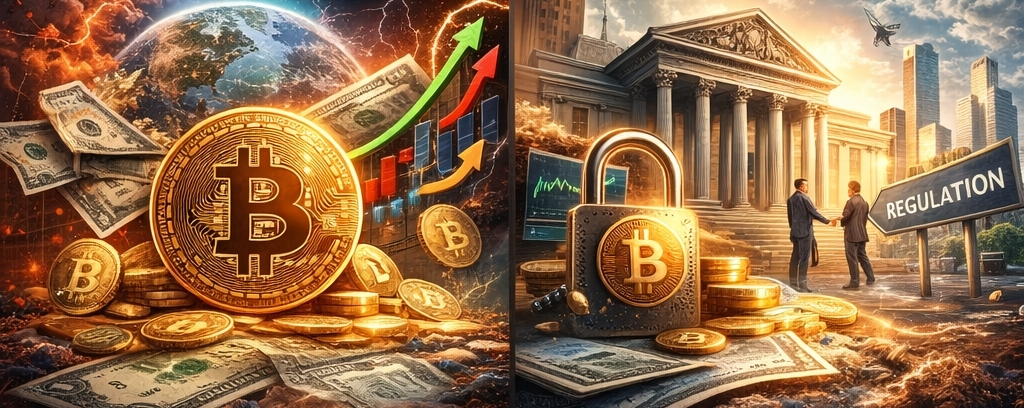
W świecie krypto, aktywa takie jak #BTC często działają jako zabezpieczenie w czasach niepewności.
Inwestorzy przenoszą się w stronę aktywów cyfrowych, aby chronić swoje bogactwo.
Ale bez prawdziwej wojny nie ma trwałej presji niedźwiedzia.
Rynki akcji mogą pokazywać krótkoterminową zmienność, ale nie długoterminowy spadek.
Inwestorzy instytucjonalni pozostają pewni z powodu niskiego prawdopodobieństwa wojny.
To utrzymuje płynność zarówno na tradycyjnych, jak i cyfrowych rynkach.
Pomysł, że to napięcie przekształci się w wojnę, jest w dużej mierze przesadzony.
Służy bardziej narracjom politycznym niż odzwierciedla rzeczywiste intencje.
Oba państwa rozumieją, że dyplomacja jest bardziej korzystna niż zniszczenie.
Podsumowując, obecne napięcia między Iranem a USA dotyczą bardziej wpływów niż inwazji.
Szanse na pełnoskalową wojnę są obecnie niskie.
Inwestorzy powinni być ostrożni, ale nie podejmować decyzji w panice.
#CryptoNews #BTC #StockMarket #GlobalEconomy #IranUSRelations