
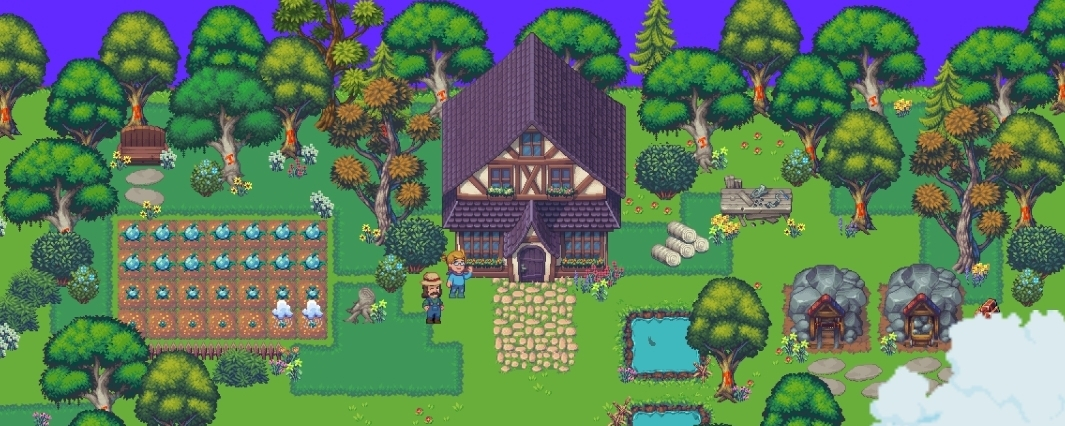
Gry Web3 od dawna borykają się z podstawowym problemem: większość modeli play-to-earn załamuje się pod własnym ciężarem, przyciągając boty, osłabiając gospodarki i ostatecznie nie dostarczając zrównoważonej wartości. Ale co, jeśli problem nie leżał w samym koncepcie, ale w infrastrukturze, która go napędza? Tutaj wkraczają Pixels i jego ekosystem Stacked.
Czym jest Stacked? Zbudowane na podstawie doświadczeń z testów bojowych
Stacked nie jest kolejną ogólną aplikacją nagród. To silnik LiveOps nagradzany przez ekonomistę gier AI, zaprojektowany, aby pomóc studiom dostarczyć odpowiednią nagrodę odpowiedniemu graczowi w odpowiednim momencie. Ten system narodził się z lat prób, błędów i eksperymentów na żywo zespołu Pixels we własnej grze. Już teraz napędza Pixels, Pixel Dungeons i Chubkins, udowadniając, że działa w skali.
Ekonomista Gry AI: Silnik Decyzyjny w Czasie Rzeczywistym
W przeciwieństwie do statycznych modeli nagród, ekonomista gry AI Stacked analizuje grupy graczy w czasie rzeczywistym, aby dostrzegać wzorce churn i sugerować eksperymenty z nagrodami. Odpowiada na kluczowe pytania: Dlaczego wieloryby odpadają pomiędzy Dniem 3 a Dniem 7? Jakie mechaniki korelują z długoterminowym zatrzymywaniem graczy? Skupiając nagrody na konkretnych zachowaniach graczy — a nie na czasie bezczynności czy spamujących misjach — Stacked zapewnia, że każda nagroda napędza prawdziwe zaangażowanie.
Zapobieganie oszustwom i zrównoważone gospodarki
Forteca Stacked jest rzeczywista. Łączy zapobieganie oszustwom, systemy przeciwdziałające botom i analizę danych behawioralnych, aby filtrować farming i nagradzać rzeczywistych graczy, którzy wnoszą wartość. To podejście pomogło Pixels wygenerować ponad 25 milionów dolarów przychodu, przekształcając projektowanie zrównoważonych nagród z teorii w udowodnioną rzeczywistość.
Prawdziwe nagrody, prawdziwe pieniądze
Może najważniejsze, Stacked zmienia sposób, w jaki działają gospodarki gier. Zamiast przeznaczać budżety marketingowe na platformy reklamowe, studia mogą nagradzać graczy bezpośrednio gotówką, kryptowalutą lub kartami podarunkowymi. Tworzy to błędne koło, w którym wartość trafia do użytkowników, którzy naprawdę się angażują.
Rola $PIXEL i przyszła ekspansja
Pixel pozostaje rdzeniem ekosystemu, ale jego rola się rozszerza. Stacked jest budowany, aby wspierać różne typy nagród — w tym USDC — podczas gdy PIXEL przechodzi z tokena jednego gry do waluty nagród w całym ekosystemie. Dzięki dostępności SDK Stacked dla zewnętrznych studiów, infrastruktura, która uczyniła Pixels zrównoważonymi, jest gotowa na napędzenie nowej generacji gier Web3.
Podsumowanie
Pixels i Stacked nie tylko budują grę; redefiniują, jak wygląda zrównoważona gra Web3. Łącząc systemy nagród napędzane AI, infrastrukturę przeciwdziałającą botom i dystrybucję wartości w rzeczywistym świecie, rozwiązują problemy, które hamowały rozwój branży. W miarę jak coraz więcej gier integruje Stacked, Pixel i jego ekosystem mogą korzystać z rosnącej sieci zaangażowanych graczy i studiów.
Sprawdź @Pixels , aby zobaczyć, jak Stacked zmienia grę. $PIXEL #pixel