

Blockchain is one of the most transformative technologies of the digital age. Originally introduced through Bitcoin, it has evolved far beyond digital currencies and is now used in finance, supply chains, healthcare, and more. At its core, blockchain is a secure, transparent, and decentralized way to record and verify data.
What Is Blockchain?
A blockchain is a distributed digital ledger that records transactions across multiple computers. Instead of relying on a central authority (like a bank), it uses a network of participants to validate and store information.
Each piece of data is stored in a “block,” and these blocks are linked together in chronological order to form a “chain.” Once data is added, it becomes extremely difficult to modify, ensuring integrity and trust.
Key Characteristics of Blockchain
1. Decentralization
Traditional systems rely on central authorities. Blockchain distributes control across a network of nodes, eliminating single points of failure.
2. Transparency
Transactions are visible to all participants on the network, making the system open and verifiable.
3. Immutability
Once recorded, data cannot easily be changed. This ensures security and prevents fraud.
4. Security
Blockchain uses advanced cryptographic techniques to secure data and transactions
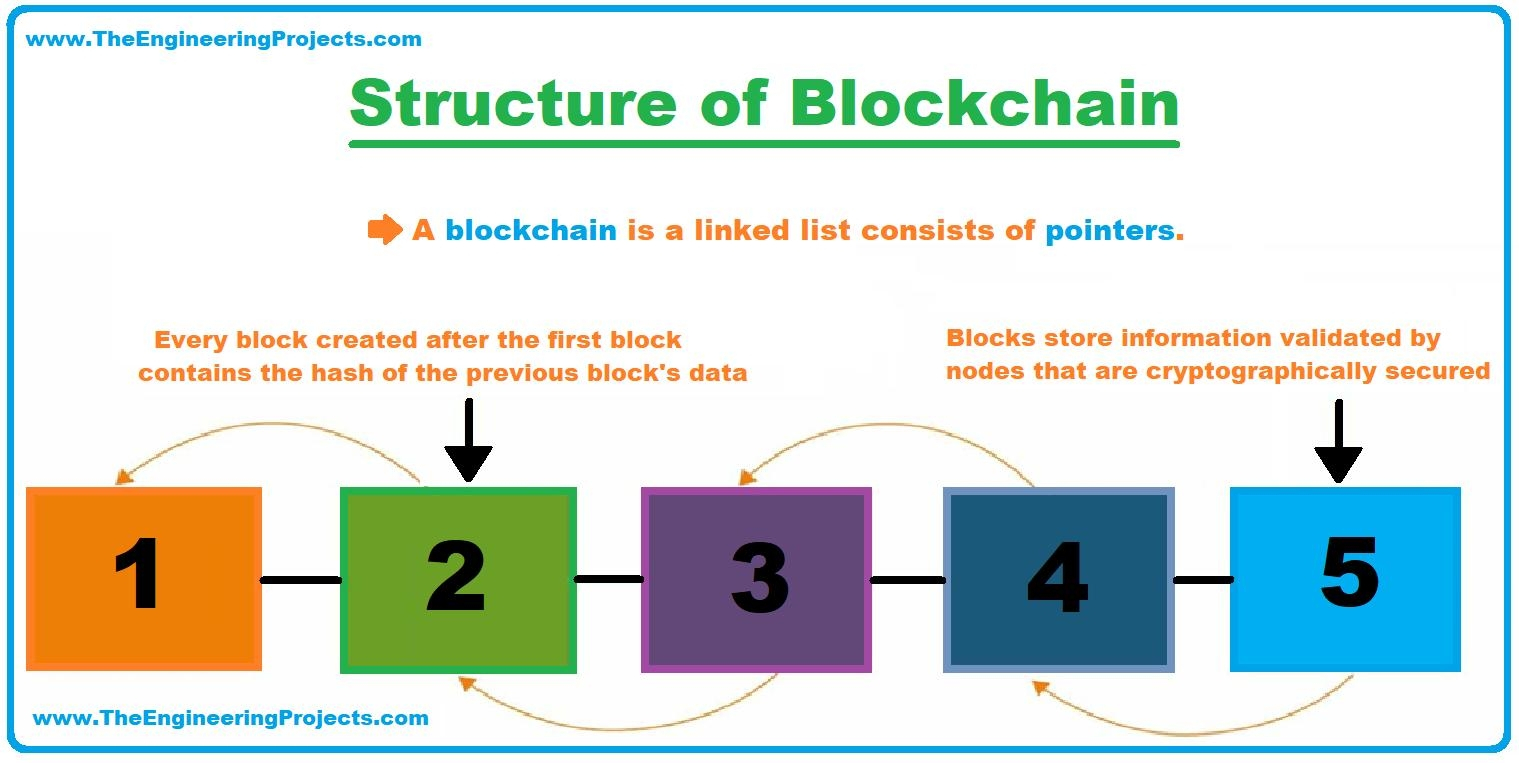
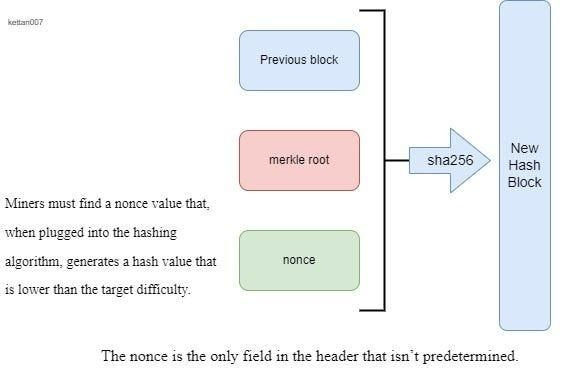

Each block typically contains:
Transaction data
Timestamp
Hash of the current block
Hash of the previous block
The “hash” acts like a digital fingerprint. Any small change in the data will produce a completely different hash, making tampering obvious.
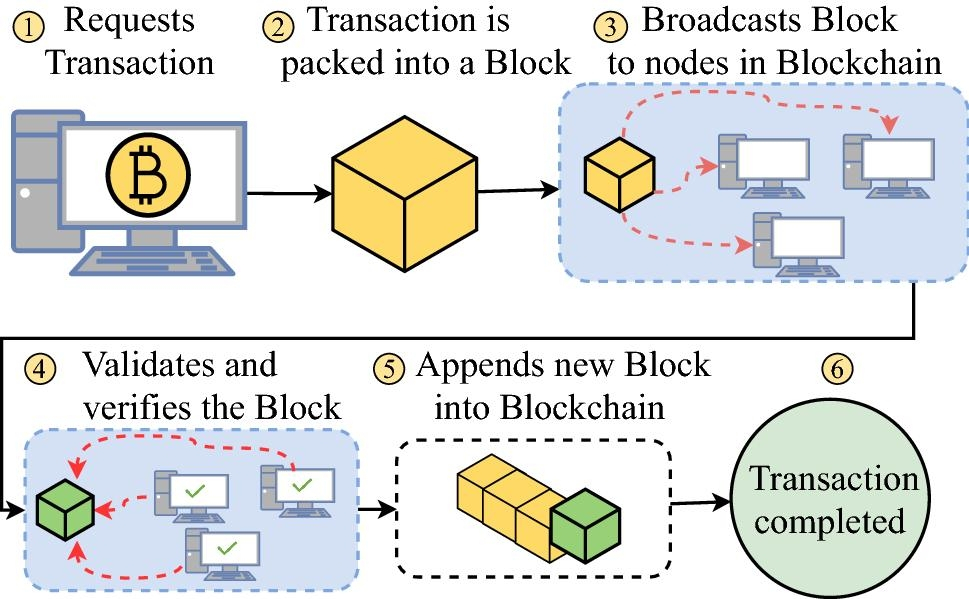
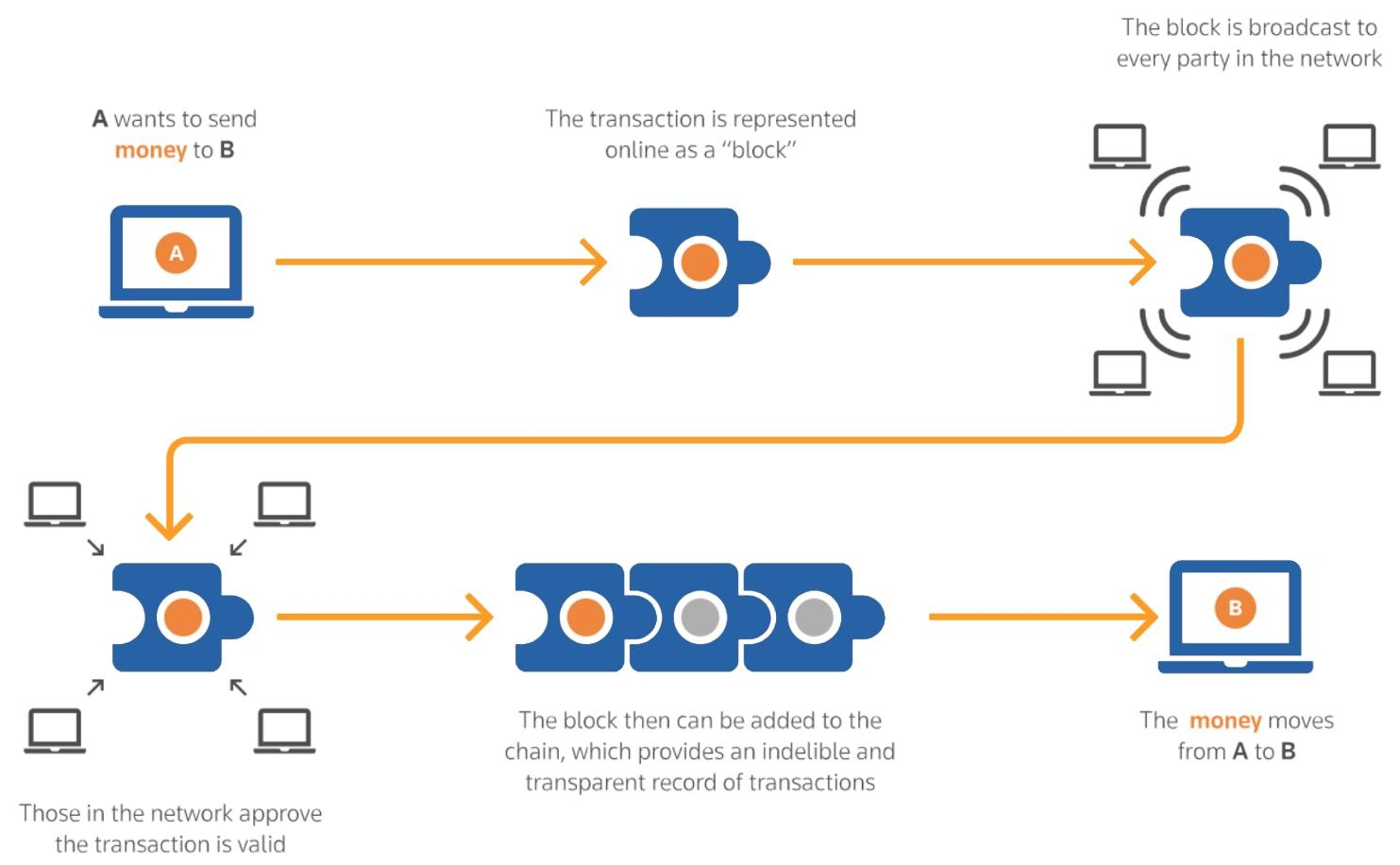
A user initiates a transaction
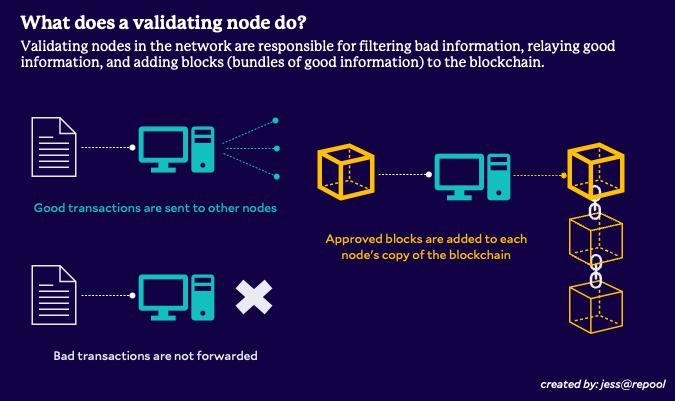
The transaction is broadcast to a network of nodes
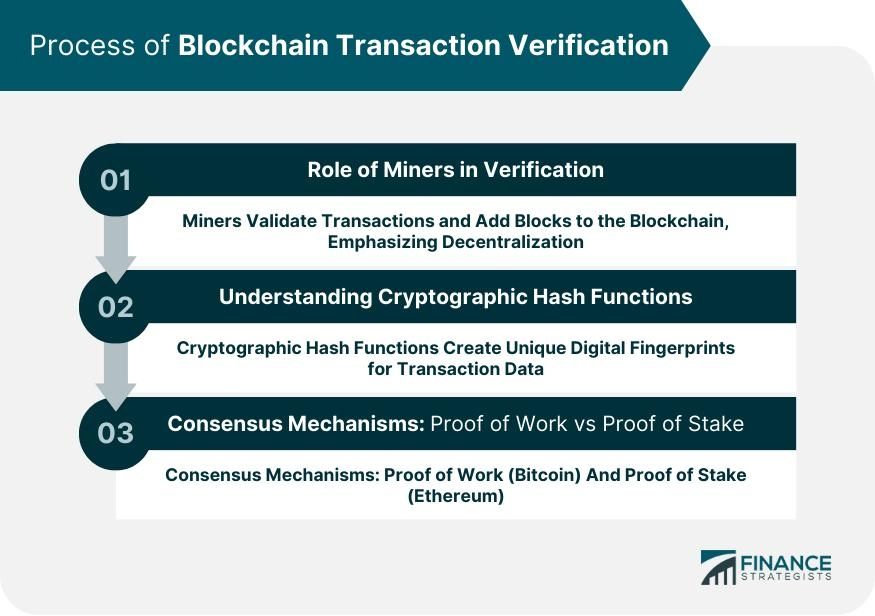
Nodes validate the transaction using consensus mechanisms
The verified transaction is added to a block
The block is added to the chain permanently
Consensus Mechanisms
Consensus mechanisms ensure that all participants agree on the validity of transactions.
Proof of Work (PoW): Used by Bitcoin, requires solving complex mathematical problems
Proof of Stake (PoS): Used by Ethereum (after its upgrade), selects validators based on their stake in the network
These mechanisms replace the need for a central authority.
Smart Contracts
Smart contracts are self-executing programs stored on the blockchain. They automatically execute when predefined conditions are met.
For example, on Ethereum, a smart contract can automatically release payment once goods are delivered—without intermediaries.
Types of Blockchains
Public Blockchain: Open to everyone (e.g., Bitcoin)
Private Blockchain: Restricted access, used by organizations
Consortium Blockchain: Controlled by a group of entities
Real-World Applications
Blockchain is not limited to cryptocurrencies. Its applications include:
Finance: Faster and cheaper cross-border payments
Supply Chain: Tracking goods transparently
Healthcare: Secure patient data management
Voting Systems: Transparent and tamper-proof elections
Advantages and Challenges
Advantages:
Increased transparency
Enhanced security
Reduced intermediaries
Improved efficiency
Challenges:
Scalability issues
High energy consumption (especially PoW systems)
Regulatory uncertainty
Complexity of implementation
Blockchain is reshaping how data and value are exchanged in the digital world. By removing the need for trust in centralized systems and replacing it with mathematical verification, it opens the door to more secure, transparent, and efficient systems.
Understanding these basic concepts is the first step toward exploring more advanced topics like decentralized finance (DeFi), NFTs, and Web3.