
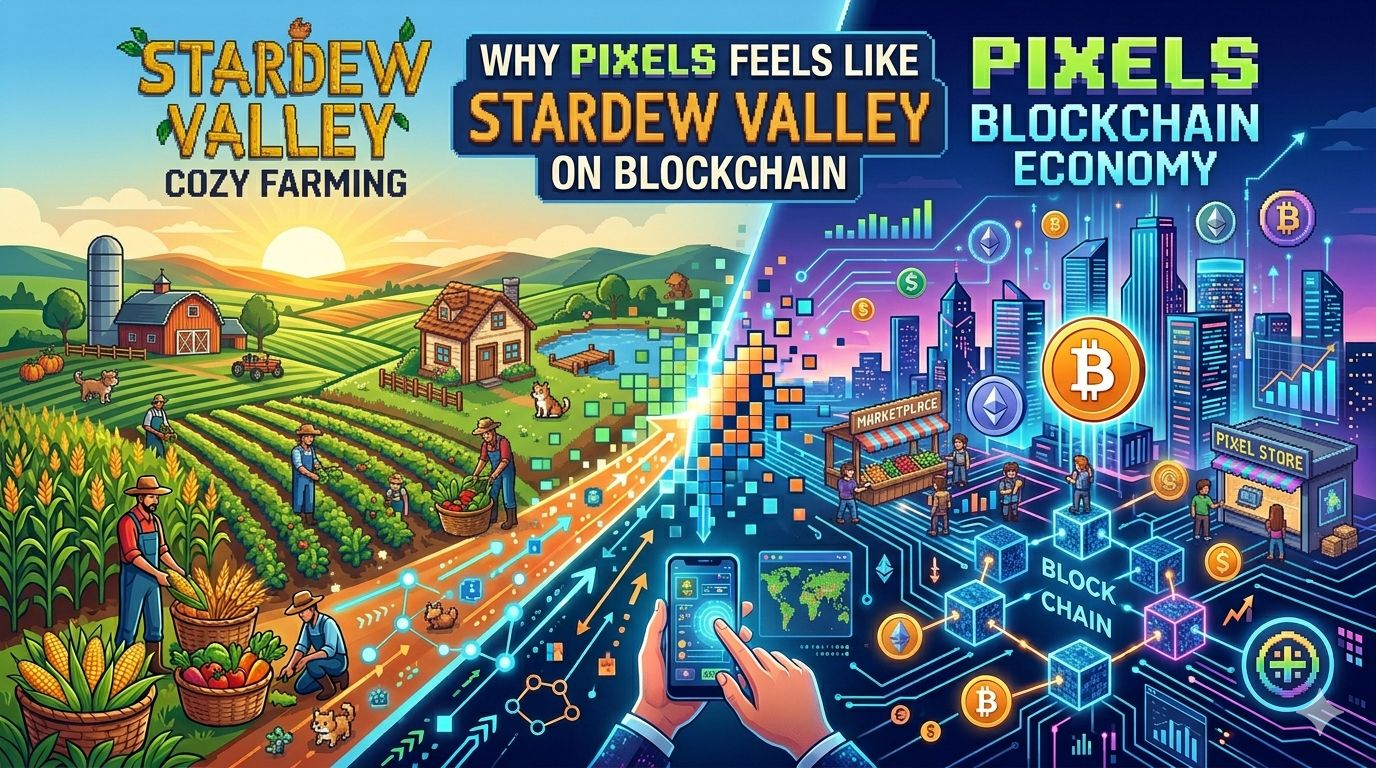
 People often say it's like Stardew Valley, a game everyone loves. Pixels gives you that same old farming vibe, but with a cool blockchain twist.
Pixels pretty much takes the chill, community-focused gameplay that made Stardew Valley such a hit. You plant crops, look around open areas, chat with other players, and bit by bit, create your own digital space. What's nice about it is how simple it is: no crazy competition, no super complicated rules—just a steady way to build and be creative.
But where Pixels really shines is how it uses blockchain technology. It's built on the Ronin Network, and that lets players truly own the stuff they get in the game. So, your crops, land, and other items aren't just for fun within the game; they can actually be worth something in the real world.
The game's economy runs on something called PIXEL, which means you can earn rewards just by playing. If you're farming, finishing quests, or trading things, the time you spend playing can actually turn into real money.
Another thing that's pretty similar is how social the game is. Just like Stardew Valley, Pixels wants players to work together and talk to each other. But Pixels takes it up a notch with marketplaces run by players and decentralized ownership, making a lively digital economy that feels real.
But it's not all about making money. What really makes Pixels good is that it keeps that comfy, relaxed feeling while still letting you earn some cash. It doesn't play like one of those crypto games where you have to grind forever; it feels like a proper game first, and getting rewards is just a nice extra.
In simple terms:
Pixels is like Stardew Valley because it's chill to play and has farming, but it adds to that by letting you own things, trade, and earn money with blockchain.
As Web3 gaming keeps getting bigger, Pixels shows that games don't have to give up being fun just to include crypto—in fact, it can make them even better.