
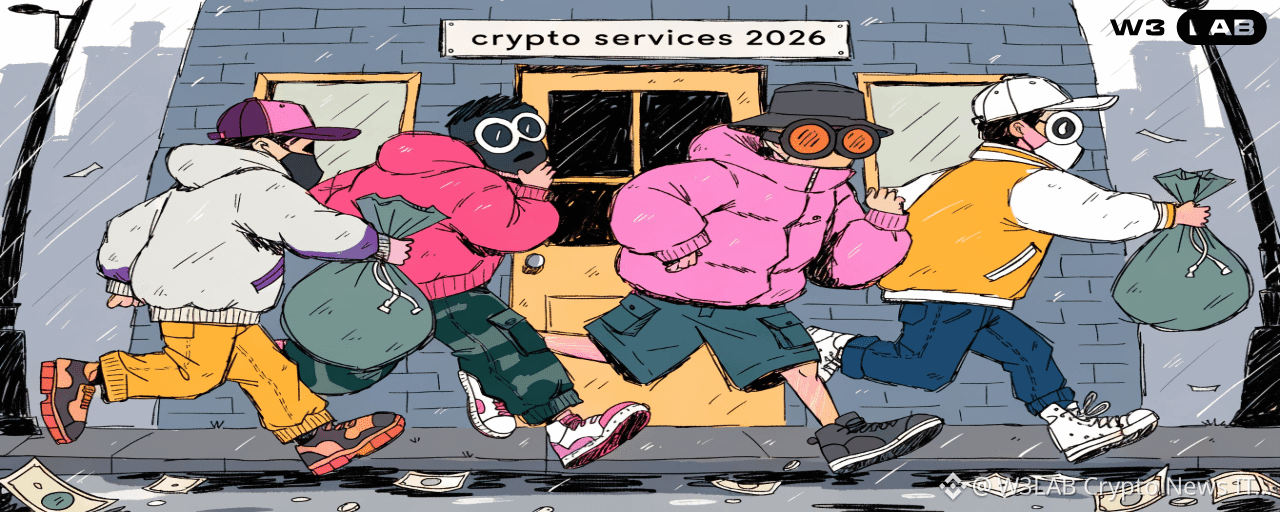
Włamanie do projektu kryptowalutowego wartego setki milionów wywołało odpływ kapitału w wysokości miliardów dolarów z sektora finansów zdecentralizowanych. To wpłynęło na działalność dziesiątek projektów kryptowalutowych
W mniej niż 24 godziny, 6,2 miliarda dolarów w aktywach, prawie 30% wszystkich depozytów użytkowników: zostało wypłaconych z Aave, największego protokołu pożyczkowego na rynku kryptowalut. Powodem „exodusu” klientów było włamanie do mostu międzyłańcuchowego Kelp DAO, w którym napastnicy ukradli 291 milionów dolarów. Incydent powiązano z północnokoreańską grupą Lazarus Group, która na początku kwietnia została oskarżona o włamanie do protokołu kryptowalutowego Drift na kwotę 280 milionów dolarów. Nie jesteśmy nawet w połowie 2026 roku, ale eksperci już ocenili go jako „prawdopodobnie najgorszy rok pod względem włamań.”
Ostatni incydent, jeśli nie jest największy pod względem szkód w historii rynku kryptowalut, jest jednym z najobszerniejszych pod względem liczby protokołów zaangażowanych w łańcuch konsekwencji ataku. Od początku 2026 roku straty z powodu hacków DeFi wyniosły co najmniej 795 milionów dolarów. Co najmniej 30 aplikacji finansów zdecentralizowanych (DeFi) wstrzymało lub ograniczyło operacje protokołów do czasu wyjaśnienia okoliczności i wdrożenia środków bezpieczeństwa. Na tej liście znajdują się projekty takie jak Aave, Swell, LayerZero, Spark, Curve, Ethena, Morpho i inne.
Jest prawdopodobne, że konsekwencje hacku mogą być poważniejsze niż kwota skradzionych funduszy. Na tyle, że założyciel Trona, Justin Sun, próbował negocjować z hakerami przez X: "Ile chcecie? Tylko nie poświęcajcie ani Aave, ani Kelp DAO z powodu tego hacku." Ale jak na razie, według stanu na moment publikacji, jego oferta pozostała bez odpowiedzi.
Niektórzy badacze łączą nagły wzrost liczby udanych ataków z pojawieniem się potężnych sieci neuronowych, w szczególności Mythos. Sztuczna inteligencja pozwala hakerom automatycznie znajdować luki w smart kontraktach i skalować ataki w niespotykanym dotąd tempie.
Hack Kelp
W sobotę, 18 kwietnia, atakujący zaatakowali most cross-chain Kelp DAO, zbudowany na infrastrukturze LayerZero. Wykorzystując lukę, udało im się wygenerować 116,500 rsETH, wartych w tym czasie 291 milionów dolarów. To płynny token pochodny, który technicznie można używać w operacjach handlowych, podobnie jak zwykłe aktywa kryptograficzne. Jednak w przeciwieństwie do większości ataków, hakerzy nie wypłacili natychmiast funduszy do stablecoinów, lecz użyli skradzionych tokenów do operacji pożyczkowych.
Skradzione rsETH zostało zdeponowane w Aave jako zabezpieczenie. Atakujący następnie pożyczyli prawdziwe aktywa (głównie Ethereum i jego opakowaną wersję, WETH), tworząc tzw. "złe długi." To natychmiast wpłynęło na płynność protokołu.
W rezultacie kluczowe pule Ethereum i WETH skutecznie wyczerpały wszystkie wypłacalne środki, a zwykli użytkownicy, którzy wcześniej dostarczali płynność, stracili możliwość wycofania swoich depozytów.
Ta sytuacja przypomina klasyczny "bank run", czyli paniczny, masowy wycof funduszy przez deponentów z banku. Zazwyczaj występuje to z powodu wątpliwości co do stabilności finansowej banku, a im więcej ludzi próbuje wycofać gotówkę, tym większe prawdopodobieństwo niewypłacalności banku.
Szef strategii projektu DeFi Spark, pod pseudonimem monetsupply.eth, zauważył, że użytkownicy zaczęli pożyczać fundusze, używając swoich depozytów w stablecoinach jako zabezpieczenia w próbie uratowania swojego kapitału, co tylko pogłębiło problem.
Rynek zareagował zdecydowanie. Chociaż całkowita kapitalizacja rynku kryptowalut spadła o około 4%, do 2,5 biliona dolarów z szczytu w dniu ataku do poranka 20 kwietnia, około 14% wszystkich depozytów użytkowników zostało wycofanych z sektora DeFi w tym samym okresie. Całkowita kwota środków zablokowanych w sektorze wynosiła około 86 miliardów dolarów do poranka 20 kwietnia.
Założyciel Defillama, znany na X jako 0xngmi, zauważył, że hack doprowadził do wypłat z wszystkich protokołów pożyczkowych, nawet na Solanie (atak jest powiązany z ekosystemem Ethereum). Na dzień 19 kwietnia ekspert wskazał dane pokazujące, że z Aave wypłacono 6,2 miliarda dolarów, 716 milionów z Morpho, 272 miliony z Sky i 76 milionów z JupLend.
Kto stoi za atakami?
Jak się później okazało, hack Kelp był możliwy nie tyle z powodu wad architektury LayerZero, na której oparty jest Kelp, ale raczej z powodu własnych ustawień bezpieczeństwa Kelp. W swojej oficjalnej analizie LayerZero wyraźnie wskazało na nieprzestrzeganie zaleceń dotyczących bezpieczeństwa w konfiguracjach węzłów sieci.
Atakujący skompromitowali dwa takie węzły, zmieniając ich oprogramowanie i uruchomili atak DDoS na pozostałe węzły, które automatycznie przekierowywały dane do serwerów kontrolowanych przez hakerów. Eksperci LayerZero powiązali atak z północnokoreańską grupą Lazarus, która na początku kwietnia została oskarżona o zhakowanie protokołu Drift, co skutkowało kradzieżą 285 milionów dolarów. W ten sposób, w zaledwie 18 dni, ta sama grupa wykradła ponad 575 milionów dolarów z DeFi.
CTO Ledger, Charles Guillemet, podkreślił, że "jest absolutnie pewne, że to nie są jacyś nowicjusze w hackowaniu", zauważając, że "2026 prawdopodobnie będzie najgorszym rokiem pod względem ataków."
Ale nie umniejszając powagi incydentu, eksperci nie są tak pesymistyczni. Mikhail Egorov, założyciel głównego protokołu DeFi Curve, postrzega incydent jako bolesną, ale użyteczną lekcję: "Kryptowaluta to surowe środowisko, w którym żaden bank by nie przetrwał. Uważam, że DeFi nauczy się na tym incydencie i wyjdzie z tego silniejsze niż wcześniej."
Seria hacków DeFi w kwietniu została zaostrzona przez ataki na zcentralizowane platformy. Kilka dni przed incydentem Kelp, rosyjska giełda kryptowalut Grinex i jej powiązana usługa kryptograficzna TokenSpot zostały zhakowane. Straty szacuje się na 15 milionów dolarów.
\u003ct-35/\u003e