
The old play to earn scene was pretty rough. Early games blasted out huge token rewards to hook everyone fast But most of them burned out quick once the hype faded. Players got smarter and way more doubtful. Now its less about flashy promises and more about whether a game can actually deliver steady, realistic income through real gameplay. That is exactly why Pixels Chapter 2 stands out Especially when you look at how @Pixels fits into everything.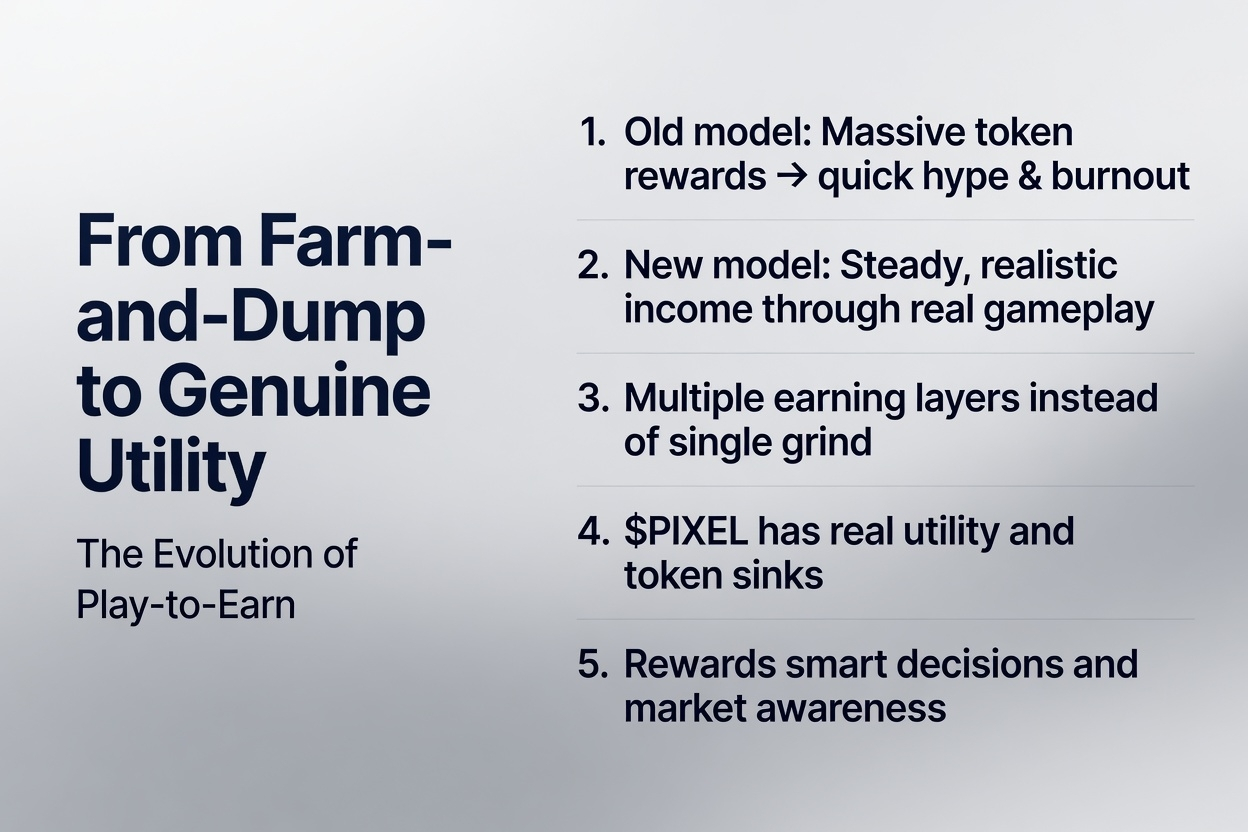
Earning here is not just one simple grind. It is a mix of systems that reward smart decisions, market timing and showing up regularly. The guys who treat it like a little business usually do better than the pure grinders.
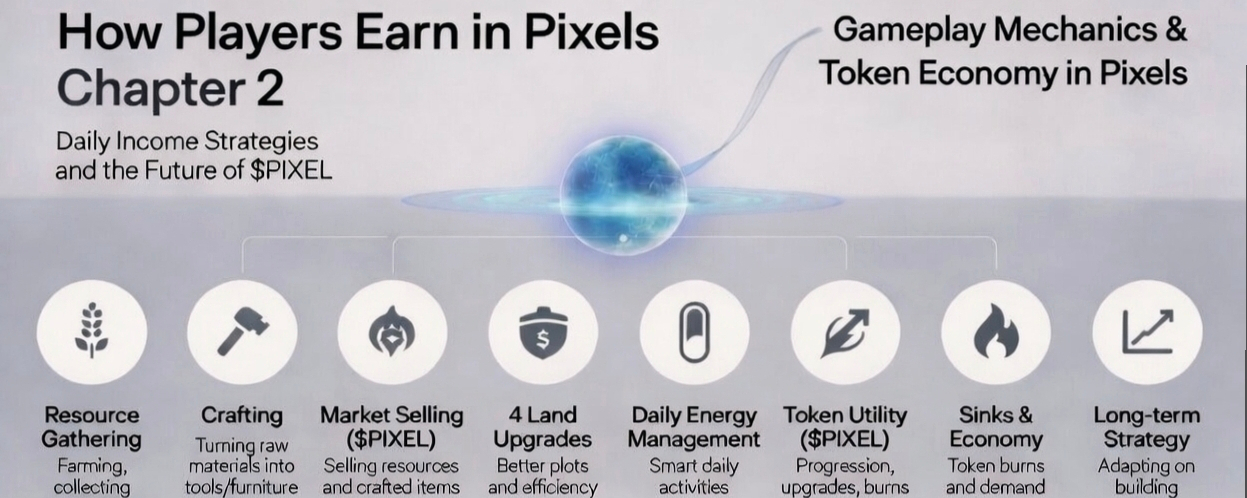
Resource gathering is still the foundation. Farming, collecting materials all the usual stuff But the real edge comes from watching what is actually selling. Prices move around depending on what people need for crafting or building. Jump on the resources that are hot right now instead of just farming the same things every day and you will notice the difference pretty fast.
Crafting takes it up another level. Raw stuff usually sells for peanuts. Process it into higher value items tools, furniture, whatever the current demand is and your profit jumps. I've watched players turn okay returns into solid ones just by spending that extra step refining materials instead of dumping everything raw. It is basically the difference between selling ingredients and selling the finished meal.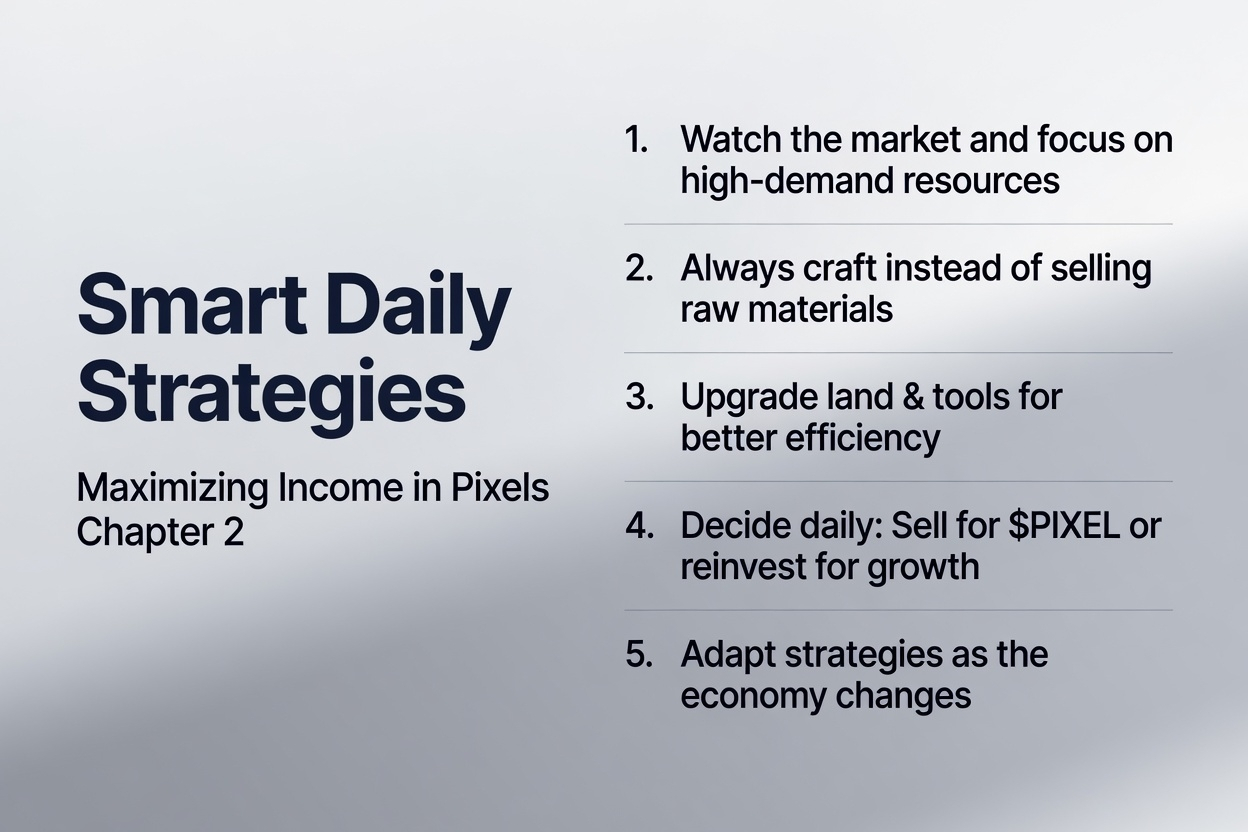
Land ownership changes the whole game too. Good plots or upgraded setups mean you get more output for the same energy. You are not necessarily playing longer hours you are just getting way more value from each session. That efficiency builds up over time and makes daily income feel less like a chore.
A typical day for active players often looks like this : check the market first, Then knock out the highest return activities with your energy. Some days you sell quick to have $PIXEL in hand for upgrades or whatever else. Other days you reinvest heavy buy better tools, expand land, improve production. Both approaches work, depending on whether you want steady cash flow or long term growth.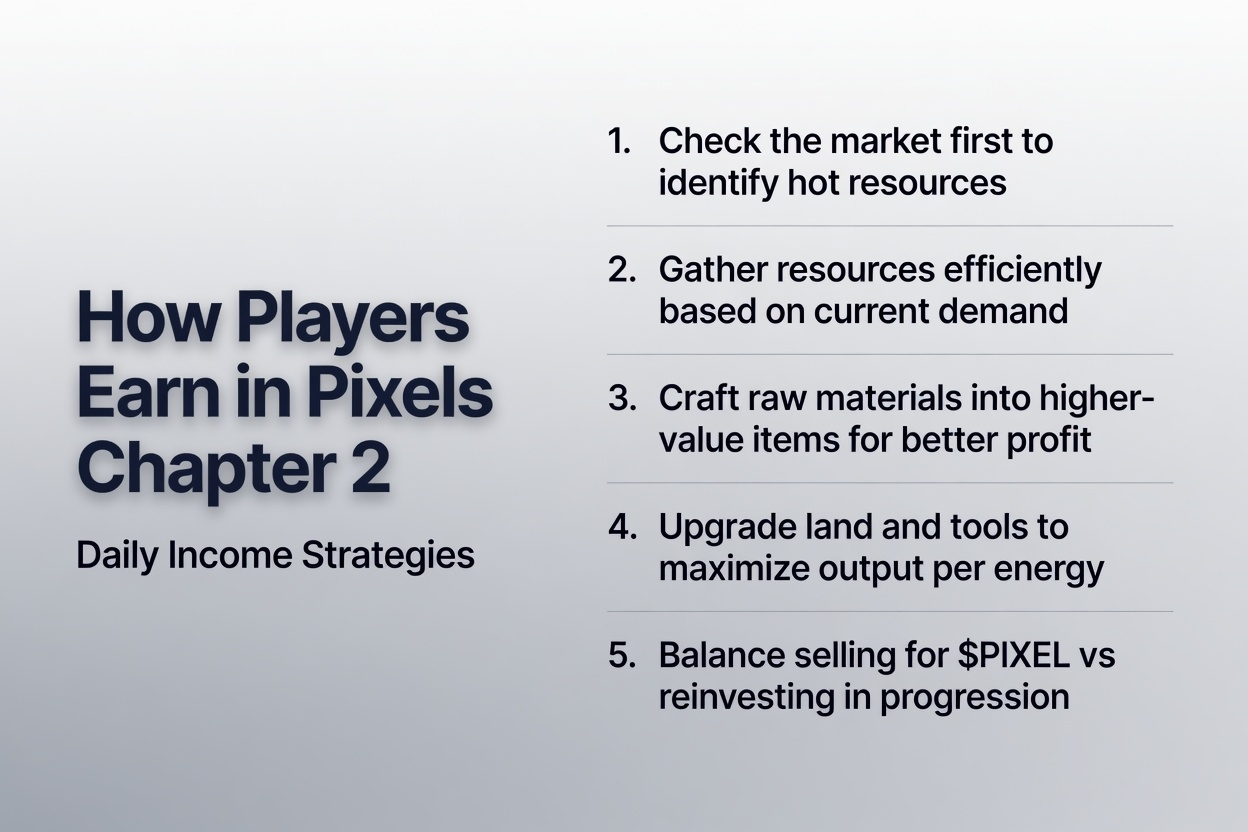
$PIXEL sits right in the middle of it all. It is not just a reward you cash out. The token gets used for progression, upgrades and gets burned in different sinks inside the game. That utility helps the whole economy feel more alive and less like a one way printing machine.
Still, I gotta be straight with you results are not the same for everyone. Market swings, token price How crowded certain activities get, and your own skill all play a part. What looks like great gross earnings can shrink fast once you account for time wasted on bad strategies or missed opportunities. Net income is what actually matters and that requires paying close attention.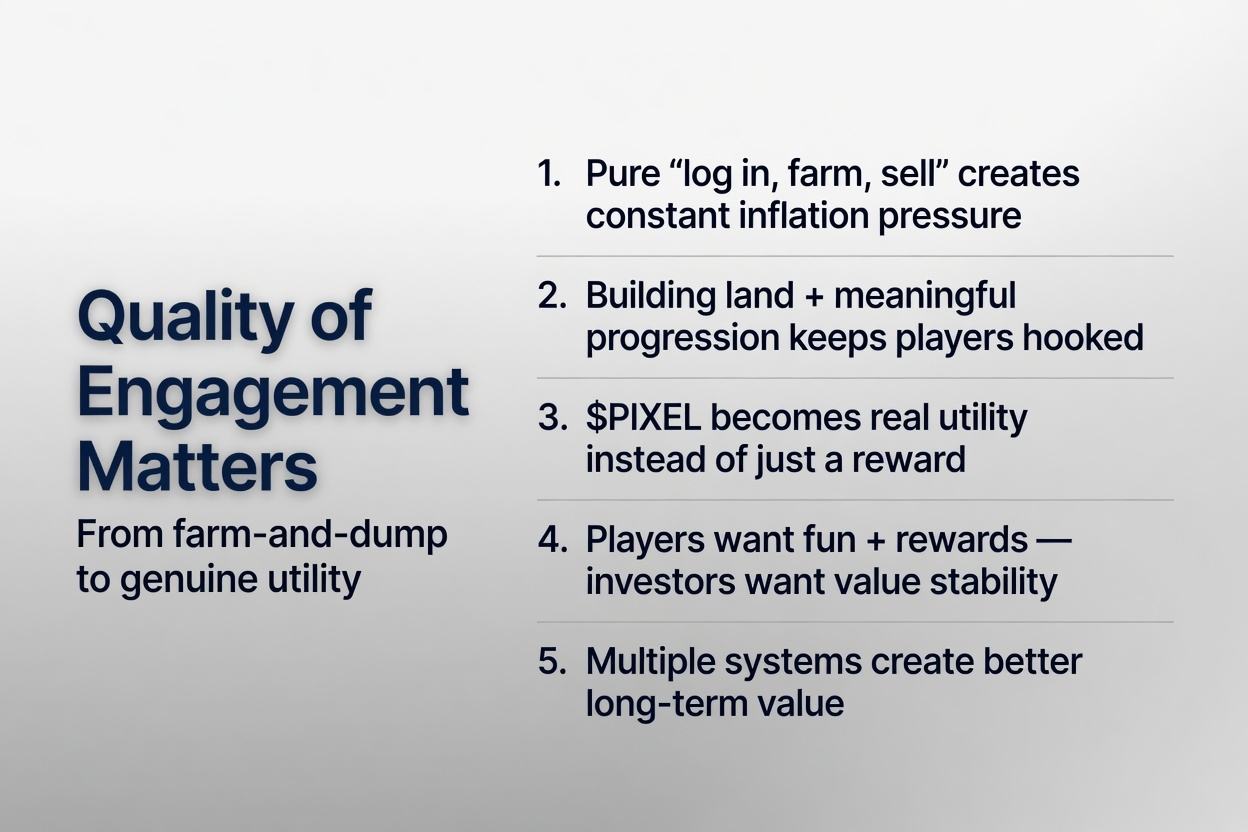
Compared to the first wave of GameFi, Pixels feels more mature. Multiple earning layers give it better staying power. If one area gets too competitive and margins drop you can shift to another niche or focus more on crafting and upgrades. That flexibility keeps things interesting.
The strategies also change as the game grows. What prints money early on often gets saturated later. You have to stay sharp switch resources, adjust your crafting focus or lean harder into building up your setup instead of daily selling. It is less about following a fixed checklist and more like operating inside a living economy.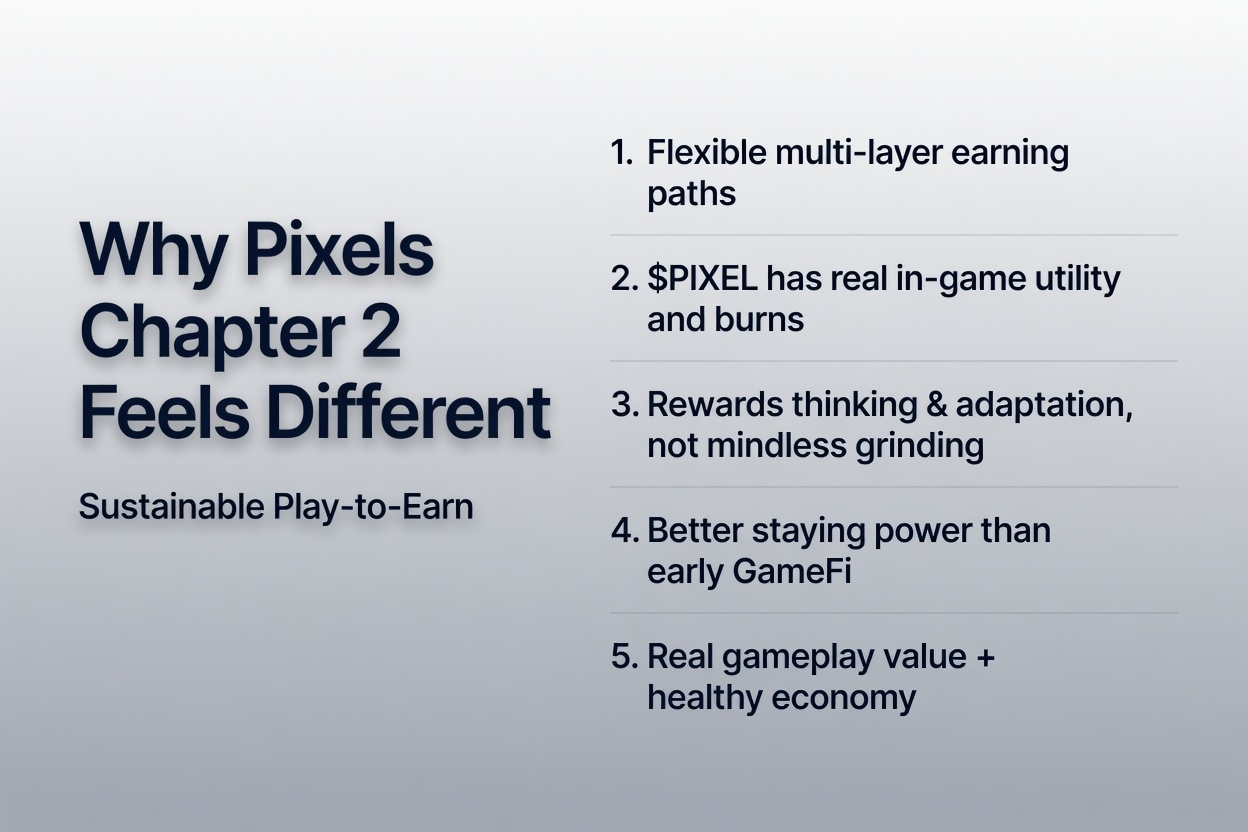
That is probably one of the coolest parts. Pixels rewards players who think and adapt instead of just clicking the same buttons forever. It feels closer to running a small digital operation than playing a reward dispenser.
Overall making consistent income in Pixels Chapter 2 comes down to blending daily efficiency with good market sense and smart positioning over time. #pixel role in progression and utility is key to keeping the system healthy. If the balance holds real demand, useful sinks and actual gameplay value this could be a more sustainable take on play to earn than what we saw before. Its not easy money, but for players who treat it seriously its got real potential.
