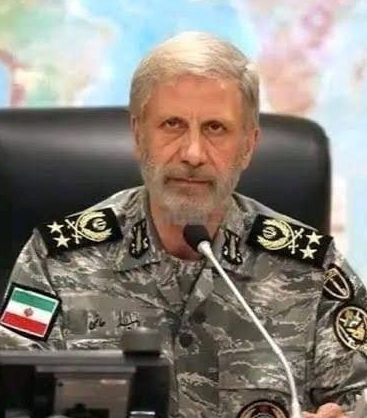
🇮🇷 Iran has openly acknowledged that its actions in the Strait of Hormuz are affecting global shipping — but is placing full blame on 🇺🇸 United States and 🇮🇱 Israel.
What’s unfolding now goes far beyond rhetoric — the situation on the ground is intensifying fast.
⚡ WHAT’S HAPPENING RIGHT NOW
Iran has repeatedly declared the Strait of Hormuz effectively “closed” amid rising tensions
The Islamic Revolutionary Guard Corps has warned that vessels attempting to pass could be targeted
Commercial shipping traffic has sharply declined as tankers avoid the المنطقة due to high risk
🇺🇸 United States naval forces have reportedly intercepted vessels, further escalating the standoff
👉 In simple terms:
This is no longer just a warning — it’s a real disruption to one of the world’s most critical trade arteries.
🌍 WHY THE STRAIT OF HORMUZ MATTERS
Roughly 20% of the world’s oil supply flows through this narrow passage
It links the Persian Gulf to global markets, especially major Asian economies
Key importers like India, China, and Japan depend heavily on this route
📉 With traffic disrupted:
Oil shipments are being delayed or halted
Tankers are rerouting or turning back
Global fuel prices are beginning to rise
💥 IRAN’S STRATEGY
Iran is signaling a clear message:
If its economy is squeezed, the impact will be global
The strait is being used as economic leverage
Officials argue their actions are a response to external pressure, not escalation
Tehran appears to be shaping a legal and strategic case for tighter control over the waterway
⚠️ GLOBAL IMPACT (ALREADY UNDERWAY)
Fuel prices climbing across Asian markets
Supply chains facing fresh pressure
Millions of barrels of oil stuck in transit
Shipping risks and insurance costs surging
📊 BOTTOM LINE
The Strait of Hormuz is becoming a geopolitical pressure point with global consequences.
If tensions continue to rise, this could evolve from a regional standoff into a major economic shock worldwide.$D