
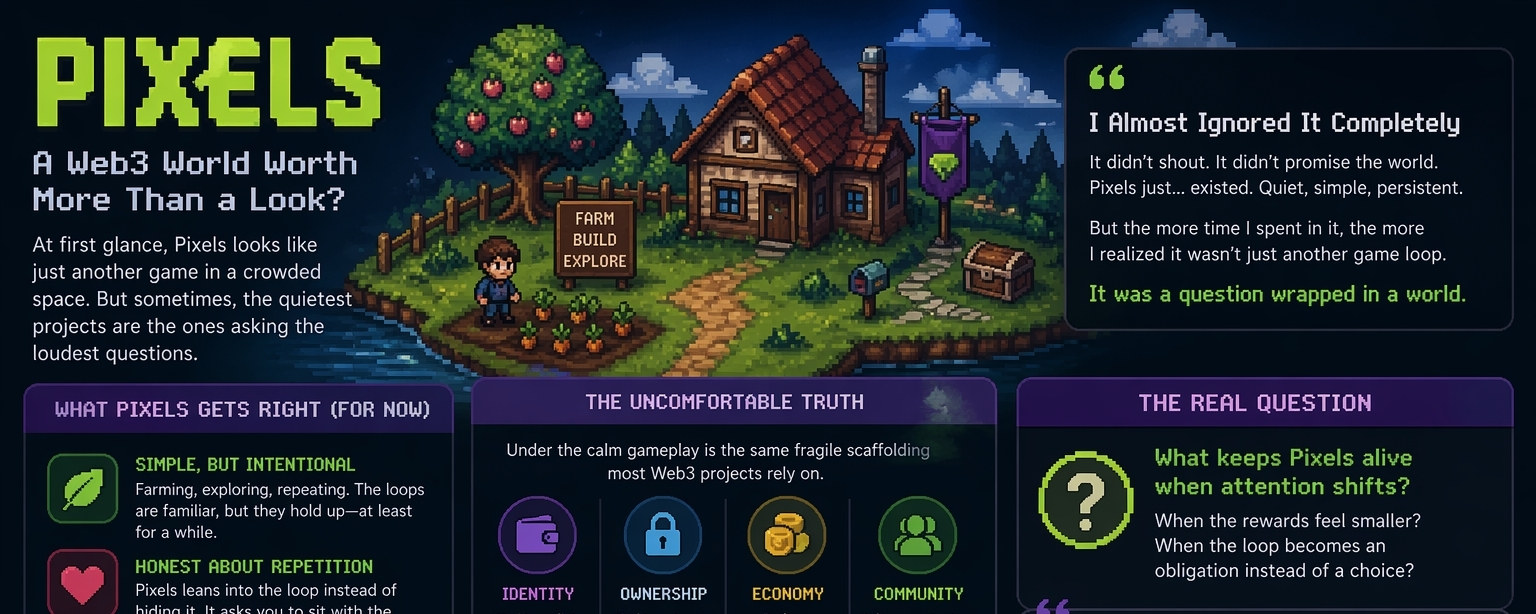

I Almost Ignored It Completely
It kind of blurred into everything else at first. Another game, another token, another attempt to make digital land feel like it matters. I remember scrolling past it more than once, assuming I already understood the shape of it without actually looking. That’s been happening more lately — not even skepticism, just fatigue. Like you’ve seen enough variations that your brain fills in the blanks before anything new gets a chance to stand on its own.
Pixels didn’t really fight for attention either. It just… existed. Quietly persistent in a way that’s hard to read. No big claims, no obvious attempt to convince you it’s something bigger than it is. And maybe that’s what made me circle back.
I keep coming back to it, actually. Not because I’m convinced, but because I’m not.
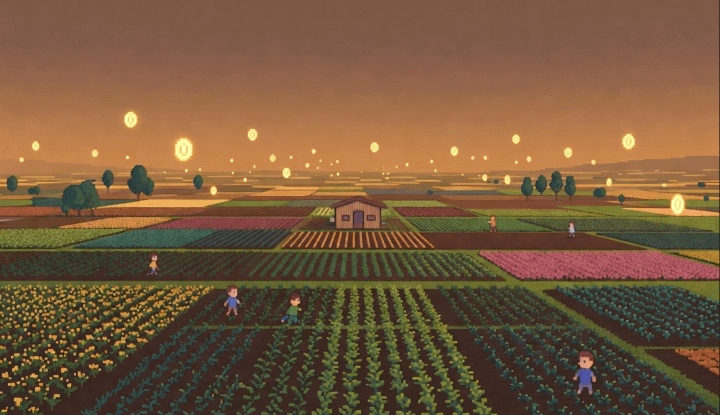
On the surface, it’s simple. Farming, wandering, small loops that repeat just enough to feel intentional. The kind of thing that shouldn’t hold up in a space obsessed with complexity and scale. But it does, at least for a while. And that “for a while” is doing a lot of work here.
Maybe that’s too harsh. But I’ve seen what happens when these systems stretch over time. It’s rarely the mechanics that break. It’s everything around them.
That’s where things start to feel uncomfortable.
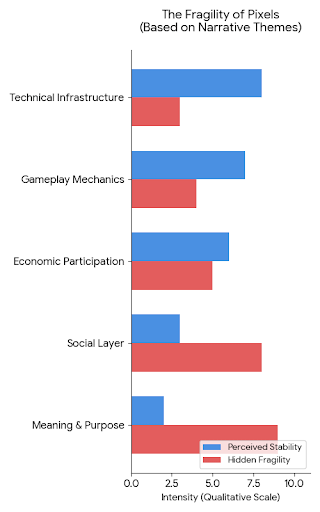
Because underneath the calm, repetitive gameplay, there’s still the same fragile scaffolding most Web3 projects sit on. Identity tied to wallets. Ownership tied to networks that people assume will always be there. Economies that rely on participation more than they admit. It all works — until it doesn’t. And when it stops working, it’s usually quiet. Not a collapse, just a gradual thinning.
Pixels doesn’t really answer that. It kind of sidesteps it.
You can own things, sure. You can build routines, invest time, maybe even feel a sense of place. But what anchors any of that when attention shifts? When the farming stops being worth the time, or worse, when it starts to feel like an obligation instead of a choice?
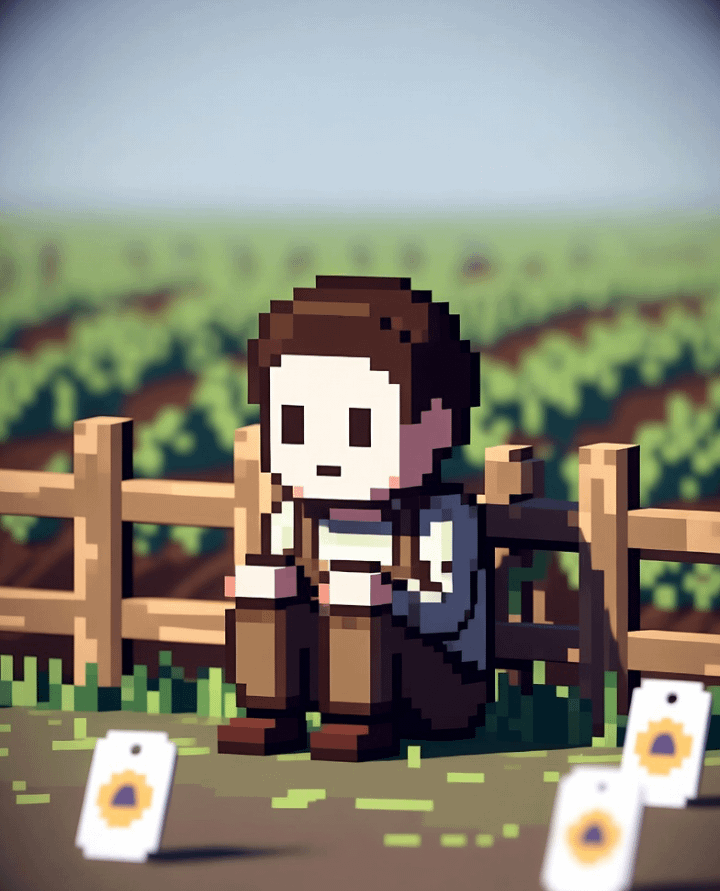
I’ve watched other projects reach that point. They don’t explode. They just fade. The world is still technically there, but something essential is gone. The difference between a system running and a system being alive becomes very obvious, very quickly.
And yet, there’s something slightly different here. I can’t tell if it’s intentional or accidental. Pixels leans into repetition in a way that feels almost honest. It doesn’t try to distract you from the loop — it asks you to sit with it. That’s unusual. Most projects try to outrun their own simplicity.
But repetition cuts both ways. It builds habit, and then it tests it.
And habits, especially in this space, don’t always hold. They depend on invisible agreements — that the system will remain stable, that the rewards will make sense, that other people will keep showing up. Those aren’t technical guarantees. They’re social ones. And social layers are where things tend to fracture.
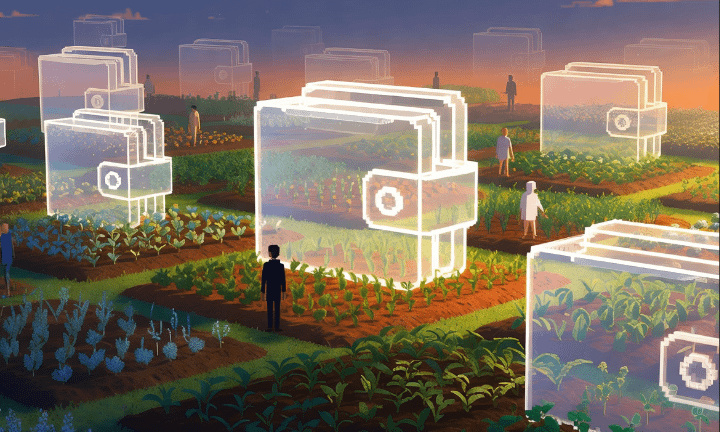
I keep circling back to that tension. Not whether Pixels works today, but what it leans on to keep working tomorrow. Infrastructure can carry a lot, but it can’t manufacture meaning. At some point, people have to decide to care. And that decision is more fragile than any smart contract.
Maybe Pixels is more aware of that than it lets on. Or maybe it’s just better at hiding the same uncertainty everything else is built on.
I’m still not sure which one it is. And I don’t know if spending more time with it actually answers that, or just makes the question harder to ignore.