

A critical issue at Kelp DAO on April 19 triggered a system-wide liquidity shock across DeFi.
At the center of this event is rsETH, a token normally issued when users deposit ETH as staking collateral. It is designed to be backed 1:1 by ETH, effectively acting as a receipt. However, a hacker exploited a flaw in the system and minted rsETH without depositing ETH, then used it as collateral on AAVE to borrow real assets like ETH and stablecoins. This created up to $230M in potential bad debt.
As confidence weakened, users rushed to withdraw funds. AAVE’s total value locked dropped from about $45B to $30B (roughly ¥7.2T to ¥4.8T) in just three days, a sharp 33% decline. At the same time, borrowing demand surged, pushing USDT and USDC rates from around 3.4% to 14%, signaling severe liquidity stress.
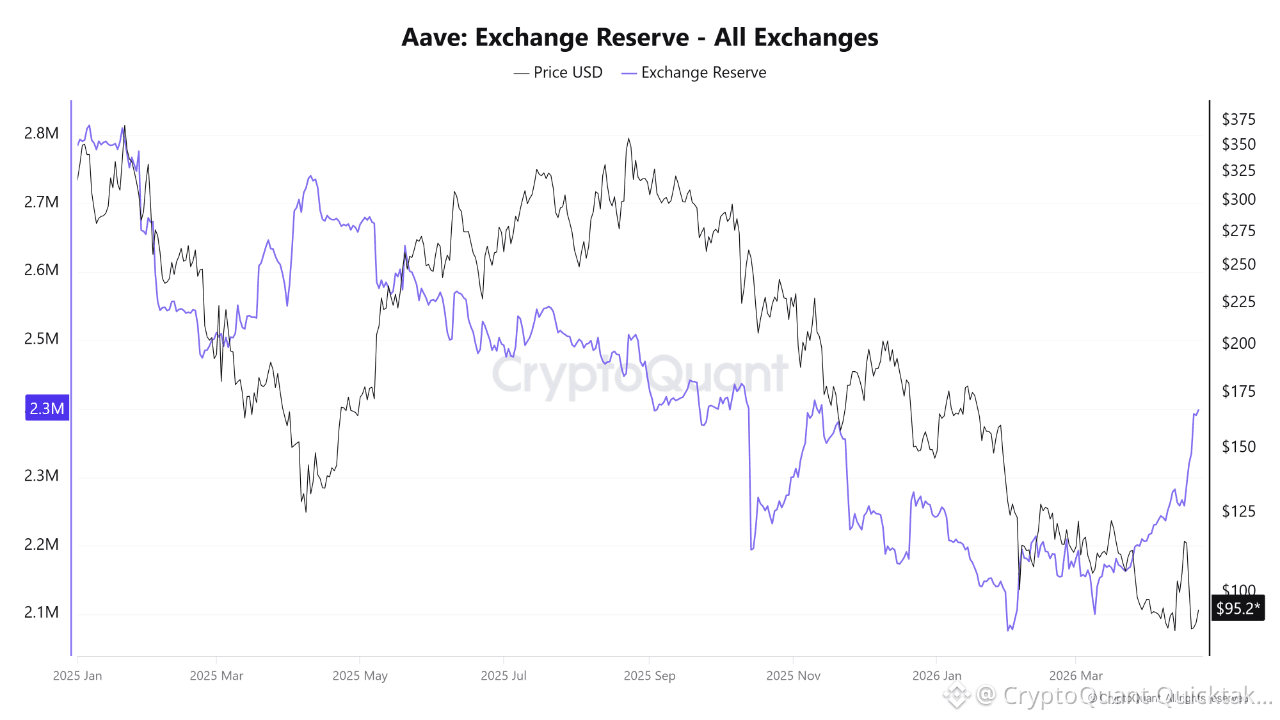
On-chain data also shows AAVE tokens flowing into exchanges, indicating rising sell pressure and capital flight. Meanwhile, USDe supply fell by 14% in three days, reflecting reduced demand and ongoing liquidity withdrawal.
This event highlights a key point: the issue is not just price volatility, but trust. Recovery will depend on stronger protocol security, better collateral diversification, and more resilient liquidity design. Trust, not price, is the foundation for sustainable growth in DeFi.
Written by XWIN Research Japan