
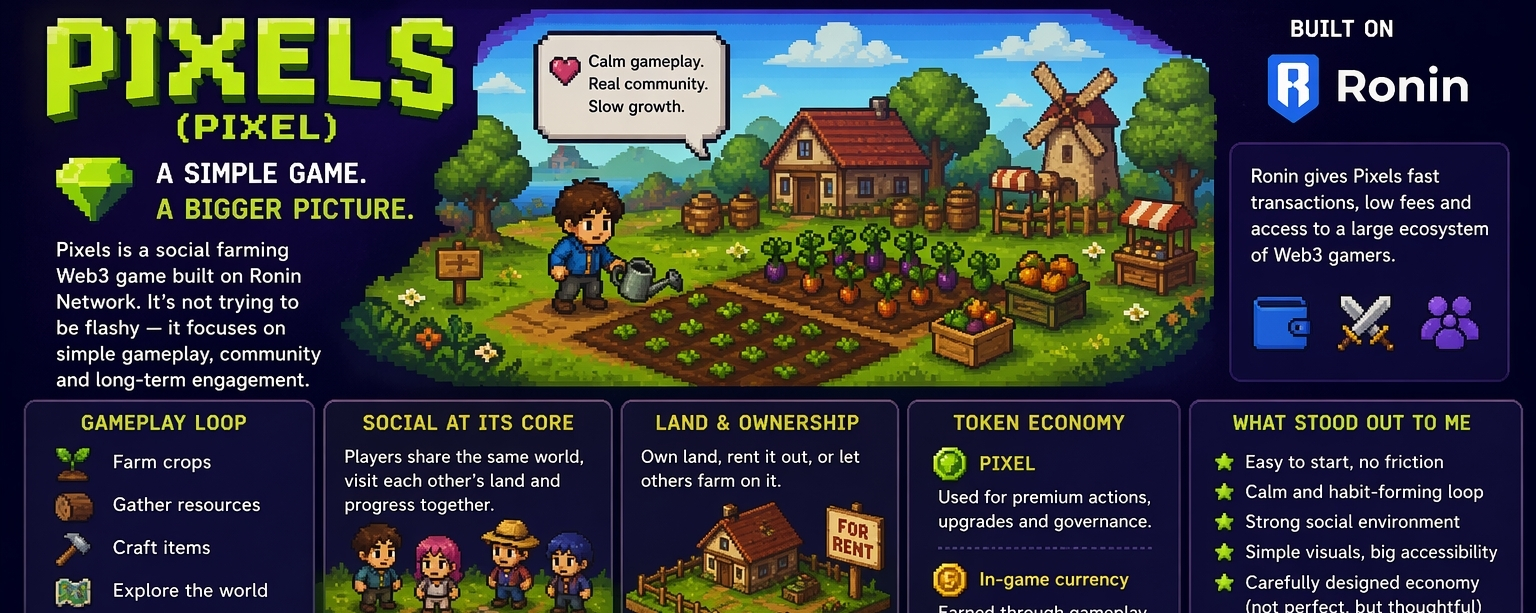
I’ve been spending some time watching Pixels, and honestly, it didn’t grab me right away. At first glance it just looks like another pixel farming game — plant crops, collect resources, walk around, talk to other players. Nothing about that feels new. We’ve seen similar ideas in both traditional games and Web3 projects. But the longer I looked at it, the more I started noticing small things that usually matter more than big features.
The game moves slowly. There’s no rush, no intense competition, no pressure to optimize everything. You log in, plant something, maybe craft an item, wander around, check what others are doing, and log out. Then you come back later and do it again. It’s repetitive, but in a calm way. I’ve seen this kind of loop keep players around longer than more complicated systems. It builds habit instead of excitement, and habit tends to last longer.
What stood out to me most is how social the whole experience feels, even though the gameplay itself is simple. Players share the same world, visit each other’s land, interact in small ways. It doesn’t feel like a solo grind. It feels more like a quiet shared space. I’ve seen games survive purely because people enjoy being there, even when there isn’t much to “do.” Pixels seems to lean into that idea instead of trying to impress with mechanics.
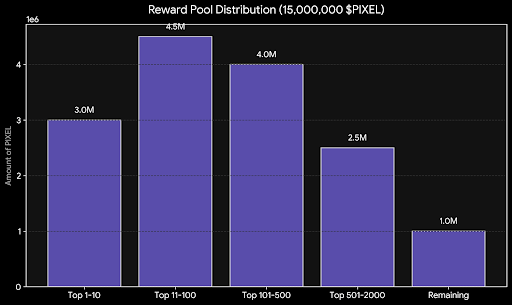
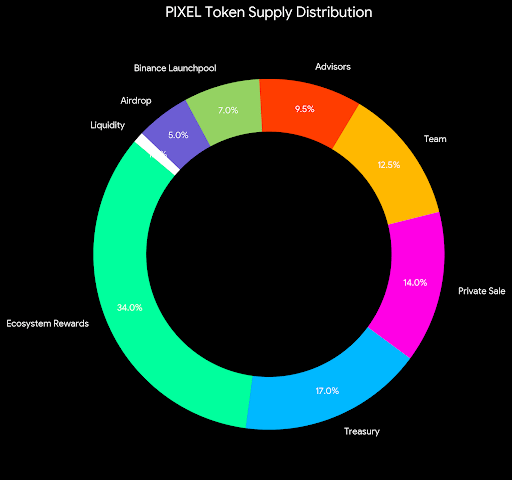
The economy side feels familiar though. There’s progression tied to time and activity, and a token layer that adds value to certain actions. I’ve watched this play out many times. Early on, things feel active because rewards exist and players are curious. But later, when emissions slow down, the real test begins. Some players stay because they like the game. Others leave because the incentives change. Pixels hasn’t really gone through that phase yet, so it’s still hard to judge.
Another thing I noticed is how easy it is to start. No heavy downloads, no complicated setup. You just jump in and begin. That might sound small, but I’ve seen accessibility make a huge difference. A lot of Web3 games lose users before they even begin because onboarding is too complicated. Pixels removes that friction, and that alone could help it grow more naturally.
The land system is also interesting, but it comes with questions. Owning land, renting it, letting others farm — it creates a passive layer. I’ve seen this work, and I’ve also seen it create imbalance. Early players sometimes end up with most of the advantage. Whether Pixels avoids that depends on how useful new players can be without owning anything. If newcomers still feel included, the system stays healthy. If not, growth slows down.
What feels different about Pixels isn’t that it’s groundbreaking. It’s more that it’s not trying to be. The visuals are simple, the mechanics are calm, and progression takes time. It feels like the game is designed for people who don’t mind slow movement. That usually filters out short-term hype and leaves behind players who actually enjoy the environment. Sometimes that leads to stable communities. Sometimes it just fades quietly. It’s hard to know which one this becomes.
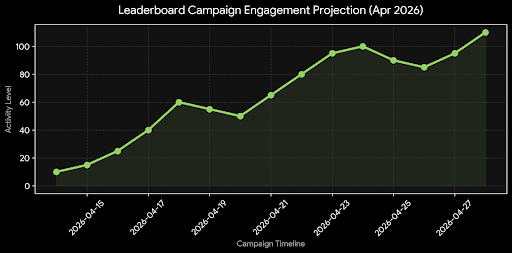
Right now, activity seems driven by curiosity and early participation. That’s normal. The more important signal will come later, when things settle. If players keep logging in just to maintain their farms and interact, that’s meaningful. If activity drops once rewards normalize, then it was mostly incentive-driven. I’m not seeing that answer yet.
I also keep thinking about how long the content can hold attention. The core loop is simple, and simplicity is good, but it also means the world needs to evolve slowly over time. If new features, areas, or social dynamics appear, players might stay. If everything stays the same, repetition eventually becomes fatigue. That balance is tricky, and most Web3 games struggle with it.
Overall, Pixels doesn’t feel loud or dramatic. It feels quiet, steady, and still forming. Nothing about it screams success, but nothing feels obviously broken either. It’s just a simple world, slowly building a player base, with an economy that hasn’t really been tested yet.
For now, I’m just watching. I want to see how players behave when the novelty fades, whether the social layer becomes the real reason people stay, and whether the economy holds up without constant excitement. It doesn’t feel clearly bullish or bearish to me. It just feels like something developing in real time, and the real story probably hasn’t started yet.