
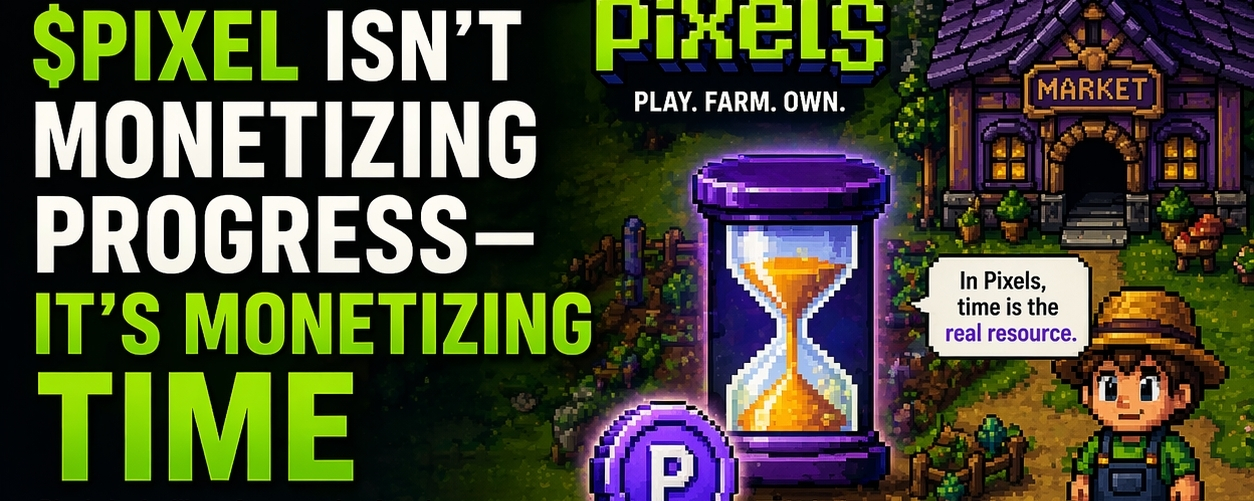
W hałaśliwym świecie gier Web3 wiele projektów pojawia się z wielkimi obietnicami, skomplikowanymi systemami tokenów, drogimi NFT i intensywnym marketingiem. Wiele z nich zdobywa uwagę na krótki czas, ale gdy tylko nagrody zaczynają zwalniać lub hype znika, gracze znikają. Pixels wydaje się inny, ponieważ jego wzrost nie opiera się tylko na spekulacji. Ma coś, co wiele gier blockchain zapomina zbudować jako pierwsze: prosty powód, dla którego ludzie naprawdę chcą grać.
Pixels to społeczna gra rolnicza i eksploracyjna oparta na sieci Ronin. Na pierwszy rzut oka wydaje się spokojna i prosta. Gracze sadzą plony, zbierają zasoby, wykonują zadania, wytwarzają przedmioty, dekorują przestrzenie, odwiedzają różne obszary i wchodzą w interakcje z innymi graczami. Ale pod tym zrelaksowanym światem rolnictwa kryje się znacznie większa idea. Pixels próbuje pokazać, że gra Web3 nie musi przypominać aplikacji finansowej. Może najpierw przypominać normalną grę, podczas gdy funkcje blockchain cicho wspierają doświadczenie w tle.
To jedna z głównych przyczyn, dla których Pixele stały się interesujące. Nie zmuszają graczy od razu do skomplikowanego świata portfeli, mostów, stakingu i wykresów tokenów. Zamiast tego dają im coś znajomego. Wchodzisz do gry, farmisz, zbierasz, ulepszasz, eksplorujesz i powoli rozumiesz otaczający cię świat. Tego rodzaju design ma znaczenie, ponieważ gry casualowe nie są budowane na presji. Są budowane na rutynie, komforcie i małych codziennych postępach.
Dobra gra casualowa daje graczom powód, aby wracać, nie sprawiając, że czują się przytłoczeni. Pixele dobrze podążają za tą ideą. Gra nie potrzebuje ogromnej kinematycznej grafiki ani skomplikowanych systemów walki, aby utrzymać zainteresowanie ludzi. Jej siła pochodzi z prostych działań, które powoli budują się w większe doświadczenie. Sadzenie plonów może wyglądać podstawowo, ale gdy te plony łączą się z rzemiosłem, zadaniami, handlem, rozwojem ziemi i interakcją społeczną, cały system zaczyna wydawać się bardziej znaczący.
Wiele gier Web3 popełnia błąd, stawiając token przed grą. Budują gospodarkę najpierw, a potem próbują do niej dołączyć gameplay. Zazwyczaj tworzy to słabą podstawę, ponieważ gracze przychodzą tylko po nagrody. Pixele działają lepiej, ponieważ gra nadal może być zrozumiana, nawet jeśli ktoś nie dba zbytnio o kryptowaluty. Gracz może cieszyć się farmingiem, dekorowaniem, zbieraniem i socjalizowaniem bez ciągłego myślenia o rynkowej cenie PIXEL.
To nie oznacza, że token nie jest ważny. PIXEL jest istotną częścią ekosystemu. Może być używany do różnych funkcji w grze, dostępu premium, ulepszeń, funkcji związanych z NFT, aktywności gildii i przyszłego zarządzania. Ale token staje się bardziej wartościowy, gdy wspiera rzeczy, na których graczy już zależy. Jeśli ludzie chcą lepszej wygody, większej elastyczności, silniejszej progresji lub głębszego uczestnictwa w świecie, to użyteczność tokena wydaje się naturalna. Jeśli token staje się wymuszony w każdej części gry, doświadczenie może zacząć wydawać się sztuczne.
To jest równowaga, którą Pixele muszą chronić. Token powinien dodawać wartość, a nie przejmować grę. Gracze nie powinni czuć, że każde działanie jest finansowym obliczeniem. Gra farmingowa działa najlepiej, gdy wydaje się relaksująca, społeczna i satysfakcjonująca. Jeśli stanie się zbyt skoncentrowana na zysku, ryzykuje utratę uroku, który przyciągnął ludzi na początku.
Przejście do Ronin było jednym z najważniejszych momentów w drodze Pixeli. Ronin był już znany jako blockchain skoncentrowany na grach dzięki Axie Infinity. Ta historia dała mu społeczność użytkowników, którzy już rozumieli gry blockchainowe, cyfrowe aktywa, portfele i gospodarki oparte na tokenach. Dla Pixeli to była ogromna zaleta. Zamiast próbować budować publiczność od zera, weszli w ekosystem, gdzie wielu graczy już znało gry Web3.
To nie była tylko techniczna migracja. To była strategiczna decyzja. Gra nie rośnie tylko dlatego, że ma dobre funkcje. Potrzebuje być także w odpowiednim środowisku. Ronin dał Pixelom dostęp do publiczności skoncentrowanej na grach, silniejszą widoczność i społeczność, która była już otwarta na rozgrywkę opartą na blockchainie. To ułatwiło Pixelom szybki rozwój i stało się jednym z głównych nazwisk w ekosystemie Ronin.
Ronin również potrzebował Pixeli. Po wcześniejszym sukcesie Axie Infinity i późniejszym spowolnieniu, Ronin potrzebował więcej silnych gier, aby pokazać, że nie jest tylko zależny od jednego projektu. Pixele pomogły nadać Roninowi świeżą tożsamość. Pokazały, że Ronin może wspierać inną dużą społeczność gier, szczególnie taką z innym stylem. Axie było znane z bitew, stworzeń i historii play-to-earn. Pixele przyniosły bardziej relaksujący, społeczny, farmingowy świat. To dało Roninowi większą różnorodność i sprawiło, że ekosystem wydawał się bardziej żywy.
Społeczny aspekt Pixeli to prawdopodobnie jedna z ich najsilniejszych cech. Farming w pojedynkę może stać się monotonny, ale farming w świecie pełnym innych graczy wydaje się inny. Gdy ludzie mogą odwiedzać, handlować, porównywać postępy, dołączać do społeczności, korzystać z ziemi i uczestniczyć w wspólnych działaniach, gra staje się czymś więcej niż prywatnym symulatorem farmingu. Staje się przestrzenią społeczną.
Ta społeczna warstwa jest bardzo ważna, ponieważ społeczność to to, co nadaje życiu światu online. Plon, zasób czy przedmiot rzemieślniczy staje się bardziej wartościowy, gdy łączy się z innymi graczami. Kawałek ziemi staje się ciekawszy, gdy może pokazać tożsamość, kreatywność i postęp. Rynek staje się bardziej znaczący, gdy korzystają z niego prawdziwi ludzie. Pixele zdołały stworzyć świat, w którym proste działania wydają się połączone z większą społecznością.
To również tutaj własność Web3 może stać się użyteczna. Cyfrowa własność nie jest automatycznie wartościowa. Wiele projektów próbowało sprzedawać wirtualne ziemie lub NFT, nie dając ludziom wystarczającego powodu, aby je wykorzystać. Pixele mają lepszą szansę, ponieważ ziemie i aktywa mogą być połączone z gameplayem. Ziemia to nie tylko coś do trzymania; może być częścią farmingu, produkcji, dekoracji i tożsamości społecznej. Gdy własność ma funkcję, staje się znacznie bardziej interesująca.
Mimo to, Pixele stają przed poważnymi wyzwaniami. Największym z nich jest stary problem play-to-earn. Gry Web3 mogą przyciągać wielu użytkowników, gdy nagrody są mocne, ale jeśli ludzie przychodzą tylko po to, aby zarabiać, mogą odejść, gdy nagrody spadną. To tworzy kruchą społeczność. Zdrowa gra potrzebuje graczy, którzy cieszą się światem, nawet gdy cena tokena się zmienia.
Pixele mają lepszą podstawę niż wiele wcześniejszych gier play-to-earn, ponieważ ich casualowy gameplay nie jest czysto finansowy. Ale ryzyko wciąż istnieje. Każda gra z wymiennym tokenem przyciągnie niektórych użytkowników, którzy tylko chcą wydobywać wartość. Niektórzy stworzą wiele kont. Niektórzy użyją botów. Niektórzy będą farmić nagrody, nie dbając o społeczność ani długoterminowe zdrowie gry.
To jeden z najtrudniejszych problemów w grach Web3. Tradycyjne gry również walczą z botami, ale gry blockchainowe czynią problem poważniejszym, ponieważ nagrody mogą mieć realną wartość rynkową. Pixele potrzebują silnych systemów, aby oddzielić prawdziwe uczestnictwo od pustego farmingu. Gra musi nagradzać graczy, którzy faktycznie przyczyniają się do świata, a nie tylko tych, którzy mechanicznie powtarzają działania.
Reputacja, historia konta, znacząca progresja, zachowanie społeczne, głębokość rzemiosła i aktywność na ziemi mogą pomóc. Im więcej gra nagradza autentyczne zaangażowanie, tym trudniej staje się botom i niskiej jakości kontom dominować. To będzie jeden z najważniejszych testów dla Pixel w czasie.
Kolejnym wyzwaniem jest balans ekonomiczny. Pixele to nie tylko gra farmingowa; to także mała gospodarka cyfrowa. Każdy plon, zasób, rzemiosło, zadanie, ulepszenie i transakcja na rynku wpływają na tę gospodarkę. Jeśli zbyt wiele zasobów jest produkowanych i zbyt mało jest wykorzystywanych, ceny mogą spaść. Jeśli nagrody są zbyt hojnie, inflacja może rosnąć. Jeśli koszty są zbyt wysokie, normalni gracze mogą czuć się zablokowani. Jeśli bogaci gracze lub boty kontrolują zbyt dużą część rynku, użytkownicy casualowi mogą stracić zainteresowanie.
To oznacza, że gospodarka musi być starannie zarządzana. Gospodarka gry Web3 nigdy nie jest ukończona. Wymaga ciągłych dostosowań. Musi być wystarczająco dużo nagród, aby utrzymać graczy zmotywowanych, ale także wystarczająco dużo pułapek, aby utrzymać system w zdrowiu. Gracze powinni czuć, że ich czas ma wartość, ale gra nie powinna stać się nieskończoną maszyną do wydobywania.
System VIP Pixeli jest jednym z przykładów, jak gra może stworzyć użyteczność, nie zmieniając całkowicie podstawowego doświadczenia. Korzyści VIP mogą obejmować funkcje wygody, więcej miejsca do przechowywania, dodatkowe zadania i ulepszone opcje rynkowe. Tego rodzaju model może działać, ponieważ gracze często są skłonni płacić za wygodę w grze, którą już lubią. Ale musi być obsługiwany ostrożnie. Jeśli VIP stanie się zbyt potężny, gracze darmowi mogą czuć się zepchnięci na boczny tor. Jeśli będzie zbyt słaby, może nie stwarzać wystarczającej wartości.
Najlepsza wersja VIP to taka, w której zaangażowani gracze czują się nagradzani, podczas gdy gracze casualowi nadal czują się mile widziani. Pixele powinny chronić swoją dostępność, ponieważ to jedna z ich największych mocnych stron. Gra Web3, która staje się zbyt droga lub zbyt skomplikowana, może szybko stracić szerszą publiczność, którą starała się przyciągnąć.
Casualowy design Pixeli nie jest słabością. W rzeczywistości, może być jednym z najinteligentniejszych elementów projektu. Hardcore'owe gry są trudne do zbudowania i jeszcze trudniejsze do zaspokojenia graczy. Gry casualowe mogą dotrzeć do większej liczby ludzi, ponieważ są łatwiejsze do zrozumienia, łatwiejsze do powrotu i mniej wymagające. Pixele wykorzystują relaksujący styl pixel-art, który wydaje się przyjazny i nostalgiczny. Nie próbują wyglądać jak ogromna gra AAA, co działa na ich korzyść.
Przeglądarkowa natura gry też pomaga. Gracze nie potrzebują drogiego sprzętu ani dużego pobierania, aby zacząć. Tego rodzaju dostępność jest bardzo ważna dla globalnych społeczności Web3. Jeśli gry blockchainowe chcą prawdziwej adopcji, nie mogą celować tylko w hardcore'owych użytkowników kryptowalut czy graczy z najwyższej półki. Potrzebują gier, do których normalni ludzie mogą wejść bez strachu czy dezorientacji.
Pixele stworzyły również przestrzeń dla różnych typów graczy. Niektórzy mogą cieszyć się efektywnym farmingiem. Inni mogą dbać o dekorowanie ziemi. Niektórzy mogą skupić się na handlu. Niektórzy mogą dołączyć do gildii. Niektórzy mogą po prostu traktować grę jako relaksujący świat społeczny. Ta różnorodność jest zdrowa, ponieważ silna gra nie powinna zależeć od jednego typu użytkownika.
Jeśli wszyscy są tylko po to, aby zarabiać, gospodarka staje się krucha. Jeśli wszyscy są tylko po to, aby spekulować, gameplay staje się drugorzędny. Pixele mają lepszą szansę, ponieważ mogą przyciągać graczy z różnych powodów. Im więcej powodów ludzie mają, aby zostać, tym silniejszy staje się świat.
Treści tworzone przez społeczność mogą również odegrać dużą rolę w przyszłości Pixeli. Gry takie jak ta rosną, gdy gracze tworzą przewodniki, wydarzenia, grupy społeczne, zawody, pokazy ziemi i strategie. Gdy społeczność zaczyna tworzyć kulturę wokół gry, projekt staje się większy niż jego oficjalne aktualizacje. Gracze stają się częścią historii.
To jest szczególnie ważne w Web3, ponieważ społeczność często napędza odkrycie. Ludzie bardziej ufają innym graczom niż marketingowi. Jeśli użytkownicy autentycznie dzielą się swoimi doświadczeniami, zapraszają przyjaciół i budują grupy społeczne, to tworzy organiczny wzrost. Pixele mają strukturę, która może to wspierać, ponieważ nie chodzi tylko o wygrywanie. Chodzi o budowanie, pokazywanie, handel i przynależność.
Największym niebezpieczeństwem dla Pixeli jest stawanie się zbyt skoncentrowanym na kryptowalutach. Gra stała się atrakcyjna, ponieważ wydawała się prosta, społeczna i przystępna. Jeśli przyszłe aktualizacje uczynią ją zbyt skoncentrowaną na mechanice tokenów, zachowaniu rynku i optymalizacji finansowej, może stracić naturalne odczucie, które wyróżniało ją. Gracze powinni czuć, że żyją w świecie gry, a nie zarządzają pulpitą kryptowalut.
Najlepsze gry Web3 prawdopodobnie będą tymi, w których blockchain jest przydatny, ale nie irytujący. Gracze powinni korzystać z własności, handlu, tożsamości i nagród, nie czując się uwięzieni w systemach technicznych. Pixele są już bliżej tej idei niż wiele innych projektów, ale muszą kontynuować ostrożny ruch.
Przyszłość Pixel zależy od tego, czy potrafi utrzymać zabawę w centrum. Projekt już przyciągnął uwagę, użytkowników, użyteczność tokena i silne powiązania z ekosystemem przez Ronin. Ale sama uwaga to za mało. Długoterminowy sukces wymaga głębszego gameplayu, lepszego balansu ekonomicznego, silniejszych systemów społecznych, użytecznych pułapek na tokeny, sprawiedliwej progresji i ciągłej ochrony przed botami.
Jest też większa okazja. Pixele mogą nie pozostać tylko jedną grą farmingową. Mogą rozwinąć się w szerszy ekosystem gier casualowych z wspólną tożsamością, połączonymi doświadczeniami i szerszą użytecznością PIXEL. Jeśli tak się stanie, PIXEL może stać się czymś więcej niż tylko tokenem jednej gry. Może stać się częścią większej sieci gier społecznościowych.
Ale ekspansja musi być ostrożna. Wiele projektów mówi o budowaniu ekosystemów, ale często stają się zbyt skomplikowane, zanim podstawowe doświadczenie będzie wystarczająco silne. Pixele nie powinny tracić prostego uroku, który uczynił je udanymi. Ich farmingowy świat, energia społeczna i przystępny design to nie małe szczegóły. To fundament.
Pixele są ważne, ponieważ pokazują bardziej dojrzały kierunek dla gier Web3. Udowadniają, że gry blockchainowe nie muszą zaczynać się od spekulacji. Mogą zaczynać się od znanego gameplayu, społeczności i codziennych nawyków. Strona kryptograficzna może wciąż być istotna, ale powinna wspierać grę, zamiast ją zastępować.
W najlepszym wydaniu, Pixele to nie tylko plony, tokeny czy ziemie. To tworzenie cyfrowego świata, w którym ludzie mogą farmić, budować, eksplorować, handlować i socjalizować, mając jednocześnie prawdziwą własność nad częściami swojego doświadczenia. To potężna idea, jeśli jest wykonana starannie.
Projekt wciąż ma ryzyka. Nacisk na token, boty, inflacja, nierównowaga ekonomiczna i retencja użytkowników to realne wyzwania. Ale Pixele już zrobiły coś, czego wiele gier Web3 nie potrafiło: zwróciły uwagę ludzi na samą grę, a nie tylko na system nagród.
Dlatego Pixele warto obserwować. Nie są doskonałe i nie gwarantują przyszłości gier Web3. Ale są jednym z wyraźniejszych przykładów, jak blockchain można dodać do casualowego społecznego świata, nie niszcząc całkowicie poczucia zabawy.
Jeśli Pixele mogą pozostać zabawne, sprawiedliwe, społeczne i dostępne, mogą pozostać jedną z najważniejszych gier Web3 na Ronin. Jeśli staną się zbyt finansowe lub zbyt skomplikowane, mogą wpaść w tę samą pułapkę, co wiele wcześniejszych projektów play-to-earn.
Na razie, jego najsilniejsza lekcja jest prosta: ludzie nie wracają do gry tylko dlatego, że mogą zarabiać. Wracają, ponieważ świat wydaje się żywy, postęp jest znaczący, a społeczność daje im powód, by wracać. Pixele rozumieją to lepiej niż większość gier Web3, i to sprawia, że ich droga jest ważna.