
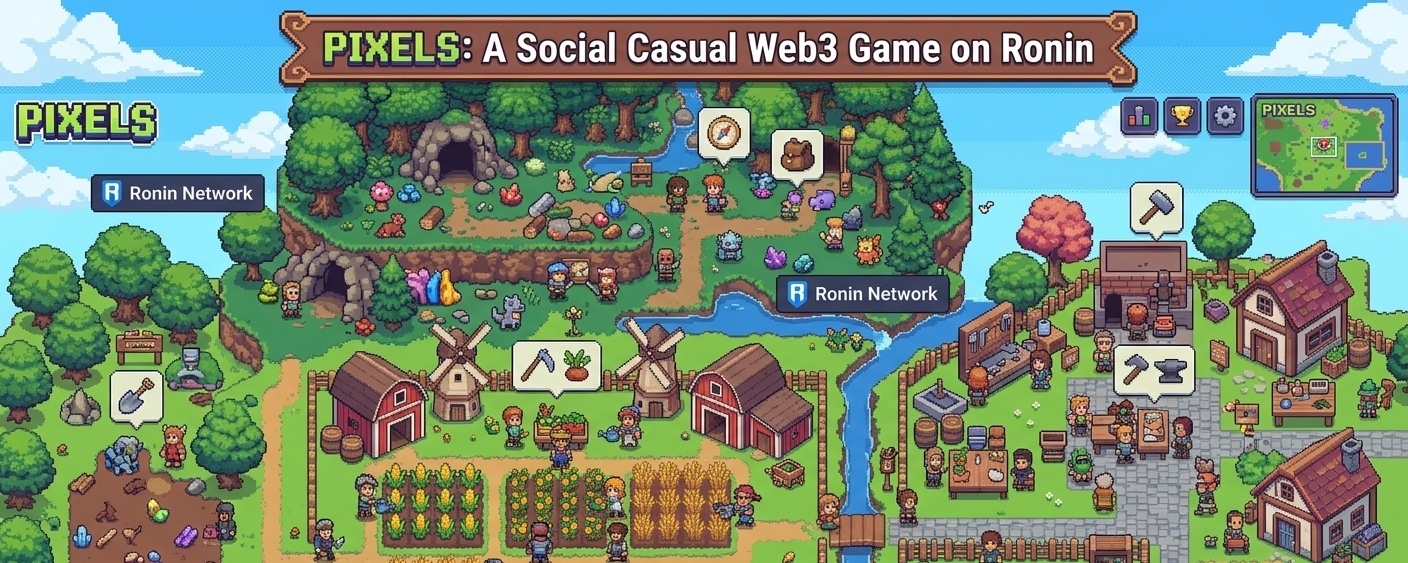
At first, @Pixels feels like something you don’t have to think about.
You log in, plant a few crops, leave. That’s it. No urgency, no noise, no sense that you’re falling behind. It almost feels like the game is giving you space, which is rare. Most systems try to pull you deeper. This one seems fine with you stepping away.
So you do.
You treat it lightly. A quick visit in the morning, maybe another later. Nothing planned. Just whenever it crosses your mind. And for a while, that’s all it is—something casual, something small.
But then the pattern starts forming.
Not in the game. In you.
You begin to return at certain times without setting reminders. You start to feel when things should be ready. It’s not exact, not mechanical, but close enough that it works. And that’s when it gets strange, because it doesn’t feel like the game is telling you anything. It feels like you’ve figured it out yourself.
But you didn’t, not entirely.
The farming loop looks simple, but it’s carefully spaced. Every action creates a gap, and every gap quietly invites you back. You’re never held in place, but you’re also never completely detached. You exist somewhere in between—half playing, half waiting.
And that waiting isn’t empty.
It lingers. You carry it with you.
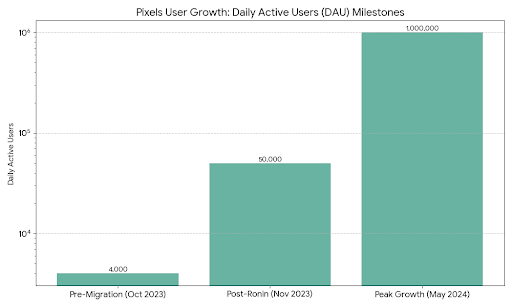
I started noticing that the game wasn’t taking my time in big chunks. It was dividing it. Breaking it into small pieces and placing itself between them. A few minutes here, a few minutes there. Each visit too short to matter on its own, but consistent enough to build something over time.
That something is hard to name.
It’s not commitment, not exactly. It’s closer to alignment. My day doesn’t revolve around the game, but it bends slightly to match it. Just enough that returning feels natural, not forced.
That’s where the surface begins to crack.
Because the more natural it feels, the less you question it. And the less you question it, the deeper it settles. The loop doesn’t demand attention—it earns it quietly, through repetition. You don’t notice the structure because it doesn’t interrupt you. It fits.
And then you start missing things.
A harvest you didn’t collect. A cycle that passed without you. Nothing serious. No penalties that stand out. But there’s a small sense of misalignment, like you were slightly out of step with something you didn’t realize you were following.
That feeling stays longer than it should.
It’s subtle, but it nudges you. Not back into the game, but back into rhythm. You don’t want to “play more.” You just want to be on time next time. That difference matters.
Because now your behavior is shifting.
You’re no longer acting randomly. You’re adjusting. Timing your actions, even if you don’t think of it that way. Choosing what to plant based on when you’ll return. Thinking in intervals instead of sessions.
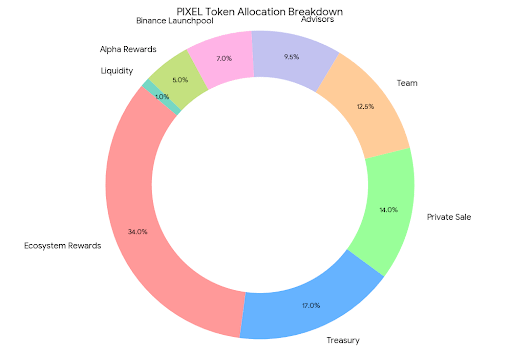
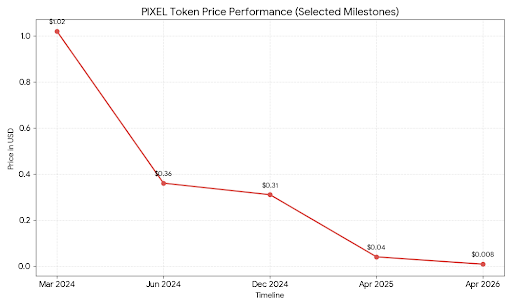
And somewhere in that shift, $PIXEL starts to make more sense—not as an idea, but as a reflection.
The game doesn’t push the token into your face. It doesn’t explain it in loud or obvious ways. Instead, it builds a pattern of behavior first. Repetition, consistency, timing. Small actions that add up not because they’re intense, but because they persist.
If the gameplay is built on cycles, then anything connected to it inherits that shape.
Value doesn’t come in spikes. It trickles. It loops. It depends on people showing up again and again, not all at once, but over time. And the more I followed the farming loop, the more I could feel that structure extending beyond the crops themselves.
Not visibly. Just logically.
The system doesn’t need me to do a lot. It needs me to return. That’s the core of it. And if enough players move like that—quietly, consistently—then the ecosystem built around $PIXEL starts to move the same way.
Slow, but steady.
That’s where the tension becomes impossible to ignore.
On the surface, I feel free. I log in when I want, leave when I want, play how I want. Nothing is stopping me. But underneath that freedom, there’s a framework guiding when those choices feel right.
I’m not being pushed.
I’m being timed.
And the more I sync with that timing, the smoother everything feels. Progress becomes predictable. The loop becomes comfortable. Almost automatic. But that comfort comes from somewhere—it’s not accidental.
It’s designed.
By the time I fully see it, I’m already inside it. Still doing the same simple actions. Still planting, still harvesting, still leaving and coming back. Nothing about the game has changed.
But the way I understand it has.
It’s not just a farming loop anymore. It’s a pattern that extends into how I think about time, attention, and even value inside the system. The crops grow on a timer, but so does everything else. My actions, my returns, even my expectations.
And I don’t feel trapped by it.
That’s the important part.
I just feel… aligned with it.