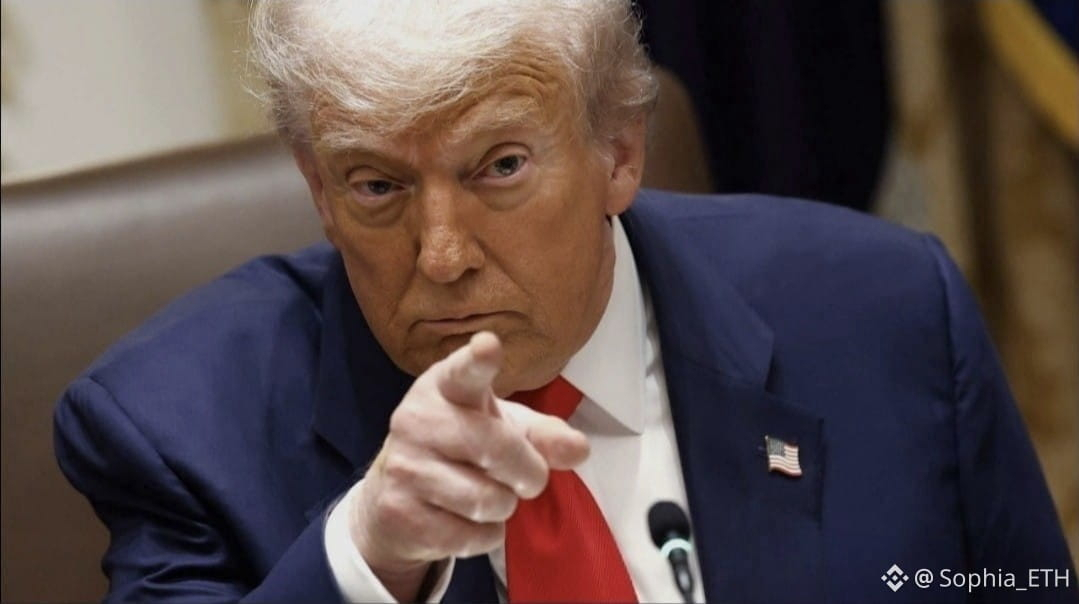
💥President Trump’s claim that an agreement with Iran is “largely negotiated” is accurate;
🔥However, the details you quoted do not tell the whole story. Iranian officials have strongly disputed several key points of his statement, pointing to unresolved issues.
🔥✅ Context for the President's Statement🤑
🔥Source: On May 23, 2026, President Trump posted on Truth Social that an agreement had been “largely negotiated, subject to finalization between the United States of America, the Islamic Republic of Iran, and the various other Countries”.
🔥Reopening the Strait: The president also stated that “the Strait of Hormuz will be opened” as part of the deal.
🔥Supporting Voices: Leaders from several regional countries (Saudi Arabia, UAE, Qatar, Turkey, and others) have reportedly encouraged a framework deal, with the White House confirming calls with them and Israeli Prime Minister Netanyahu.
💥❌ The Reality on the Ground from Iran
🔥Tehran's Denial: Iran’s semi-official Fars News Agency has pushed back, reporting that President Trump’s assertions about the deal’s finality and the strait’s reopening are “inconsistent with reality”.
🔥 Disputed Deal Terms: Tehran insists it will continue to manage the Strait of Hormuz exclusively. According to Iran, any agreement would only increase shipping traffic to pre-war levels—not grant unrestricted access—and would not cede any control over the waterway.
🔥Unresolved Sticking Points: Major issues such as the future of Iran’s nuclear program, the lifting of sanctions, the end of the U.S. blockade, and the presence of U.S. forces remain unresolved.
🔥 The latest on the emerging U.S.–Iran agreement that President Donald Trump described as “largely negotiated”:
🔥Trump says Iran deal 'largely negotiated', dispute over strait reopening
Axios says proposed US-Iran deal involves opening strait during 60-day ceasefire extension
🔥What’s reportedly in the deal
According to multiple reports citing U.S., regional, and diplomatic sources, negotiators are close to a broad framework that would include:
🔥A 60-day ceasefire extension tied to the wider 2026 Iran conflict.
🔥Reopening the Strait of Hormuz for unrestricted shipping.
Partial easing of U.S. sanctions so Iran can resume oil exports.
🔥New negotiations over Iran’s nuclear program, especially uranium enrichment and stockpiles.
🔥Possible release of frozen Iranian assets.
🔥Nuclear concessions under discussion
Reports suggest Iran may:
🔥Commit verbally not to pursue nuclear weapons.
🔥Discuss suspending or limiting uranium enrichment.
🔥Potentially surrender or dilute highly enriched uranium stockpiles.
🔥One of the central sticking points remains how intrusive inspections would be and whether Iran can retain any enrichment capability at all.
🔥Disagreement over the Strait of Hormuz
🔥Trump claimed the deal would reopen the Strait of Hormuz and normalize shipping, but Iranian-linked media pushed back on suggestions that Tehran was surrendering control of the waterway.
🔥Because Hormuz carries a major share of global oil shipments, markets are watching the talks closely.
Pakistan’s reported mediation role
Several reports say Pakistan has played a key intermediary role between Washington and Tehran, with diplomatic outreach involving Prime Minister Shehbaz Sharif and Army Chief Asim Munir.
If finalized, this would be the biggest U.S.–Iran diplomatic breakthrough since the 2015 nuclear agreement and could:
Reduce the risk of regional war,
🔥Lower pressure on global oil prices,
Ease shipping disruptions in the Gulf,
Reopen longer-term nuclear negotiation.
But officials on,
🥰 Both sides are still signaling that major details remain unresolved, especially over sanctions relief, uranium enrichment, and military guarantees.👍
.