
There is a tension running through every serious attempt to build a decentralized data economy, and most projects never name it honestly. On one side is structure — the verification systems, quality standards, attribution tracking, and governance rules that make data trustworthy enough for someone to actually pay for it. On the other side is chaos — the open, permissionless, censorship-resistant nature of a truly decentralized network where anyone can contribute anything at any time without asking permission from a central authority. Most projects that claim to be decentralized quietly chose structure long ago. They just kept the language of openness because it sounds better in a whitepaper. OpenLedger is one of the few projects genuinely trying to hold both at the same time — to build a system where data is earned, verified, and owned, without requiring a central authority to decide whose data qualifies and whose does not. That tension between structure and chaos is not a design flaw. It is the experiment. And the outcome of that experiment will determine whether OpenLedger becomes real infrastructure or another interesting idea that the market eventually forgets.
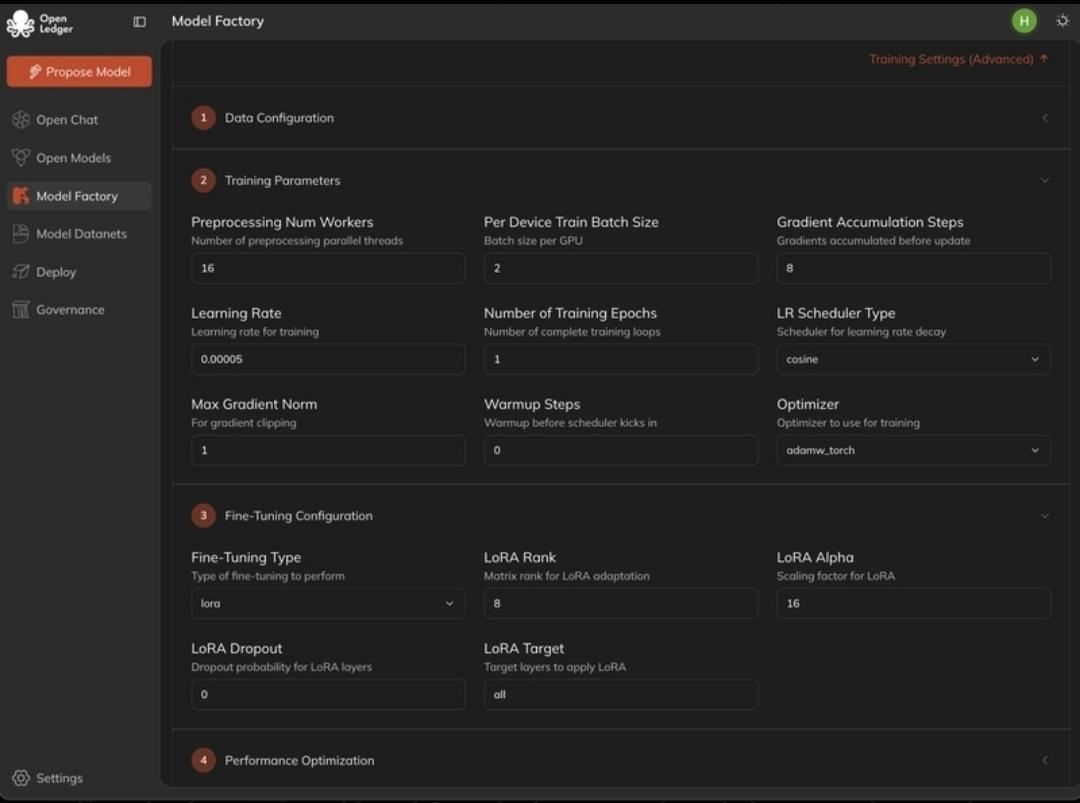
The concept of data as an earned asset sounds simple until you try to implement it. In the current economy, data has enormous value but almost none of that value flows back to the people who created it. Your medical history helps pharmaceutical companies design better drugs. Your browsing behavior helps advertisers target more effectively. Your written work helps AI companies build more capable models. In every case, the data you generated has been used to create something commercially valuable, and you received nothing in exchange. This is not an accident. It is a structural feature of how data markets work when they are organized around centralized platforms that collect first and monetize later. The people who contributed the data have no claim over it once it leaves their hands. The platform owns it, controls who uses it, and decides how the revenue from it gets distributed. OpenLedger is attempting to change this not through policy advocacy or corporate negotiation, but by building a different kind of infrastructure where ownership and attribution are baked into the protocol from the start.
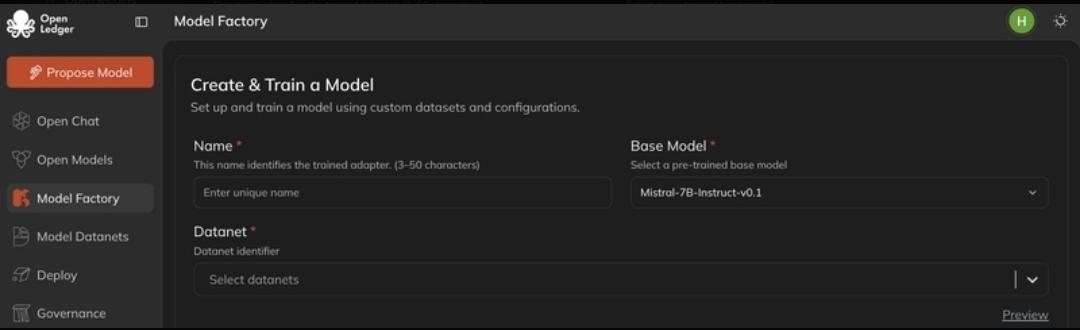
The technical mechanism that makes data ownership real on OpenLedger is Proof of Attribution. Every time someone uploads a dataset to a Datanet, trains a model, or contributes a fine-tuned behavior, the action is recorded permanently on-chain with a timestamp and an identity link. That record cannot be changed, cannot be deleted, and cannot be disputed by any party with more resources than the contributor. When a model trained on that data generates revenue — through inference calls, API access, or application integration — the smart contract traces which contributions influenced the output and distributes proportional rewards automatically. The contributor does not need to invoice anyone, negotiate a payment agreement, or trust that a company will eventually honor its commitment to share revenue. The payment happens because the code says it happens, and the code runs on a public blockchain that nobody controls. This is what it means for data to become an earned asset rather than a donated resource — the earning is structural, not discretionary.
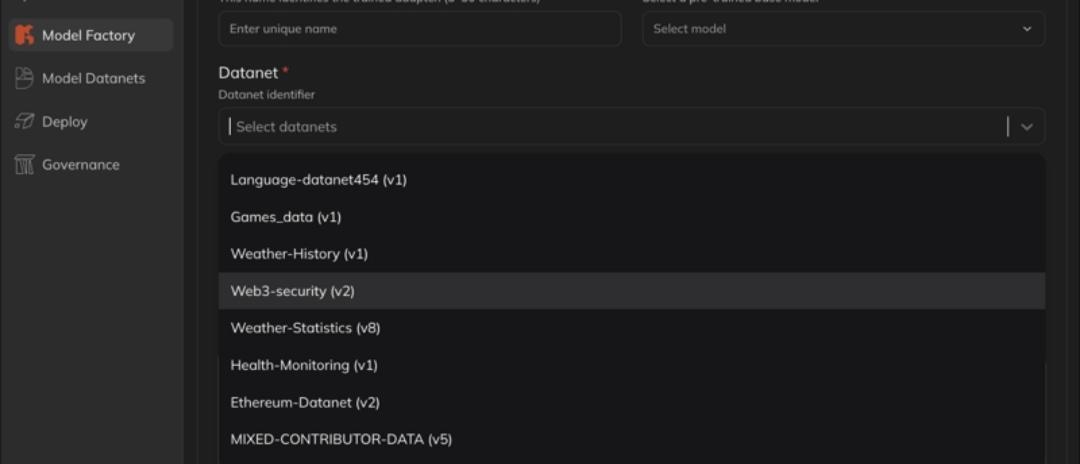
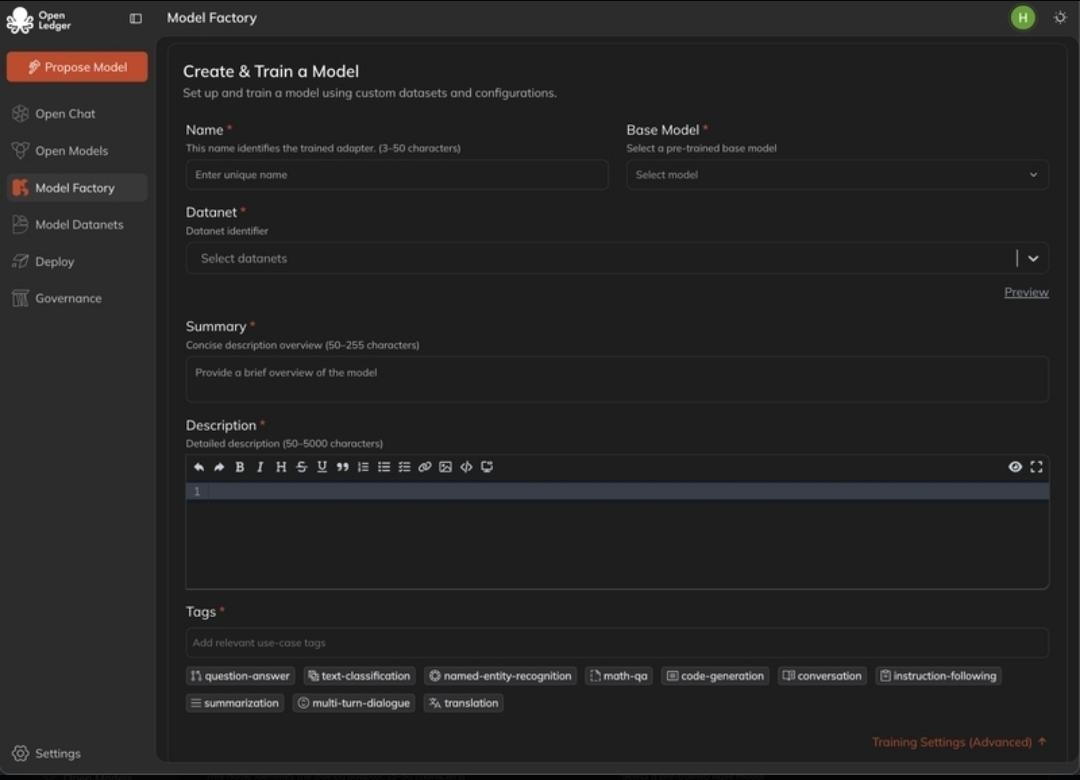
The chaos side of this equation is where things get genuinely interesting and genuinely risky at the same time. Because OpenLedger is permissionless, anyone can create a Datanet, anyone can contribute to one, and anyone can train a model on community-owned data without asking for approval. This is what genuine openness looks like. But genuine openness also means that low-quality data, synthetic data designed to game reward systems, and outright malicious contributions can enter the ecosystem at any time. The quality control problem in a permissionless data economy is not a minor implementation detail. It is the central challenge that determines whether the data inside the system is worth anything. OpenLedger addresses this through validator staking — participants who stake $OPEN to verify the quality of data and models on-chain, with reliable validators earning more and bad actors facing slashing — and through zero-knowledge proofs integrated through Lagrange that allow attribution to be verified without exposing private data. Whether these mechanisms are robust enough to keep signal quality high as the ecosystem scales is the engineering question that cannot be answered in a whitepaper. It can only be answered by watching what happens when the network is large enough to attract serious adversarial pressure.
The Story Protocol partnership announced in January 2026 added a layer to this experiment that most coverage missed. The integration creates a standard for legally licensing creative works for AI training, with automated payments to rights holders going live on-chain. This matters because it extends the earned asset concept beyond raw data into creative work — articles, artwork, code, legal documents, and any other form of intellectual property that currently gets scraped into AI training datasets without compensation. If a journalist's ten years of written work can be registered in a Datanet with a Story Protocol license, and if every AI model trained on that work automatically pays a proportional royalty to the journalist every time it generates revenue, then the economic relationship between human knowledge workers and AI companies changes structurally. The journalist is no longer a source to be extracted from. They are a contributor with an on-chain claim to the value their work creates.
The honest version of where OpenLedger stands right now is somewhere between the early stages of a genuine experiment and the early stages of a story the market has priced ahead of the evidence. The platform has 6 million registered nodes, 28 million transactions processed, and 23,000 AI models deployed. Those numbers represent real activity. But the question that will define whether the earned asset economy actually works is a simpler and harder one: are the people who own Datanets and contributed to models seeing recurring income from downstream usage that grows over time? Not incentive emissions. Not airdrop rewards. Actual payment flowing back to contributors because their data was genuinely useful to someone who paid for access. That is the quiet experiment OpenLedger is running between structure and chaos. The structure is in place. The chaos is real. Whether the experiment produces a new kind of data economy or just a more sophisticated version of the same old incentive cycle is the thing worth watching carefully over the next twelve months.