

Lately I’ve been going through a lot of AI-related crypto projects, and to be honest, most of them start blending into each other after a while. Same type of claims, same kind of wording… you know what I mean.
But OpenLedger felt a bit different when I first looked into it.
Not in a “wow this will change everything” way or anything like that. More like… the idea actually made sense on a basic level. That’s probably why I kept thinking about it.
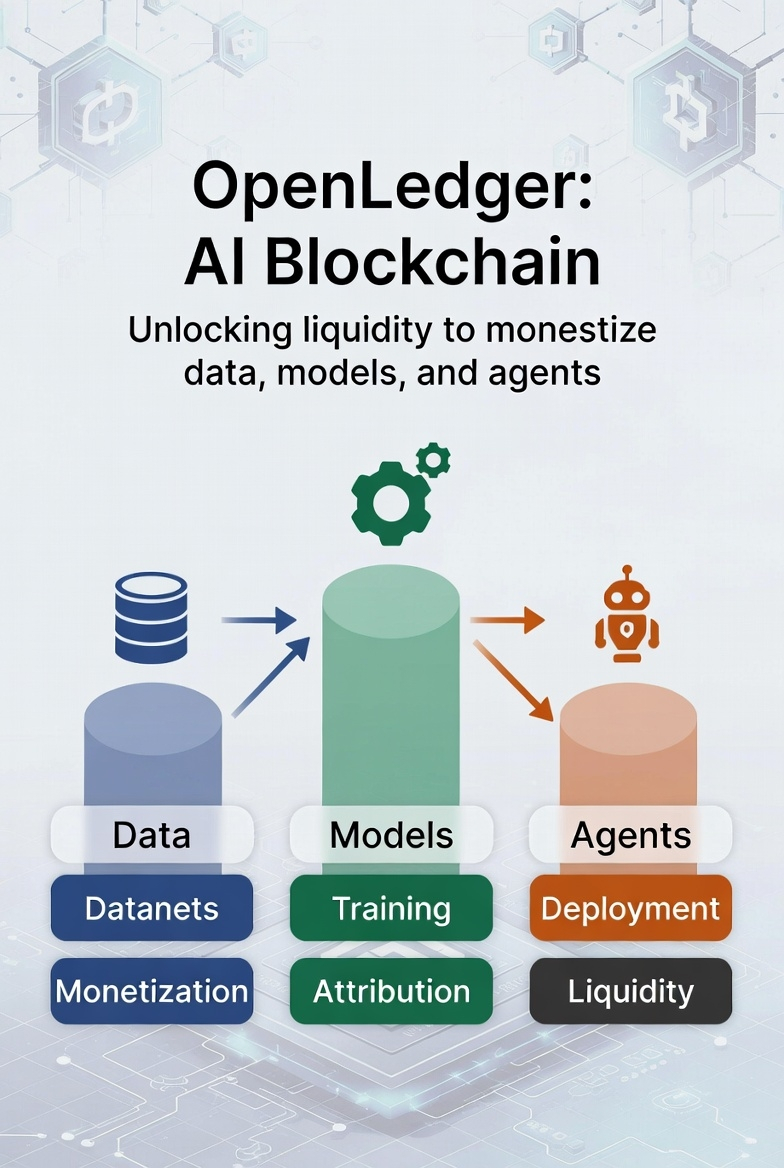
So, from what I understand, OpenLedger is trying to connect AI with blockchain in a way where things don’t stay locked inside one company.
Instead of AI being something only big platforms control, it’s more like a shared system where different people can contribute. Data, models, even AI agents… all of it can be part of the same network.
And yeah, that part is interesting.
Because normally you just use AI tools, right? You don’t really think about what’s happening behind them. But here, the idea is that people who contribute to the system might actually get something back.
Not just using AI, but being part of it in a way.
AI on its own is usually very closed. Big companies collect data, train models, improve them, and then you just use the final product.
You don’t really see the process.
Blockchain changes that a bit. It doesn’t magically make everything better, but it does add transparency. You can track things. You can verify things.
So in OpenLedger’s idea:
* AI does the processing work
* Blockchain keeps a record of what happened
* Contributions don’t just disappear into a black box
It’s kind of like giving AI a memory that everyone can check, instead of trusting a hidden system.
At least that’s how I’m understanding it.
What caught my attention isn’t some crazy technical thing. It’s more the structure of it.
Right now, most AI systems feel one-sided. You give data, you use the tool, and that’s it. The value goes back to the company.
With OpenLedger, there’s this idea that if your data or input helps the system, you might actually get rewarded. Same with developers or anyone building AI models.
Even AI agents—like automated tools doing tasks—are part of that loop.
It’s basically trying to turn AI into something closer to an economy instead of just a product.
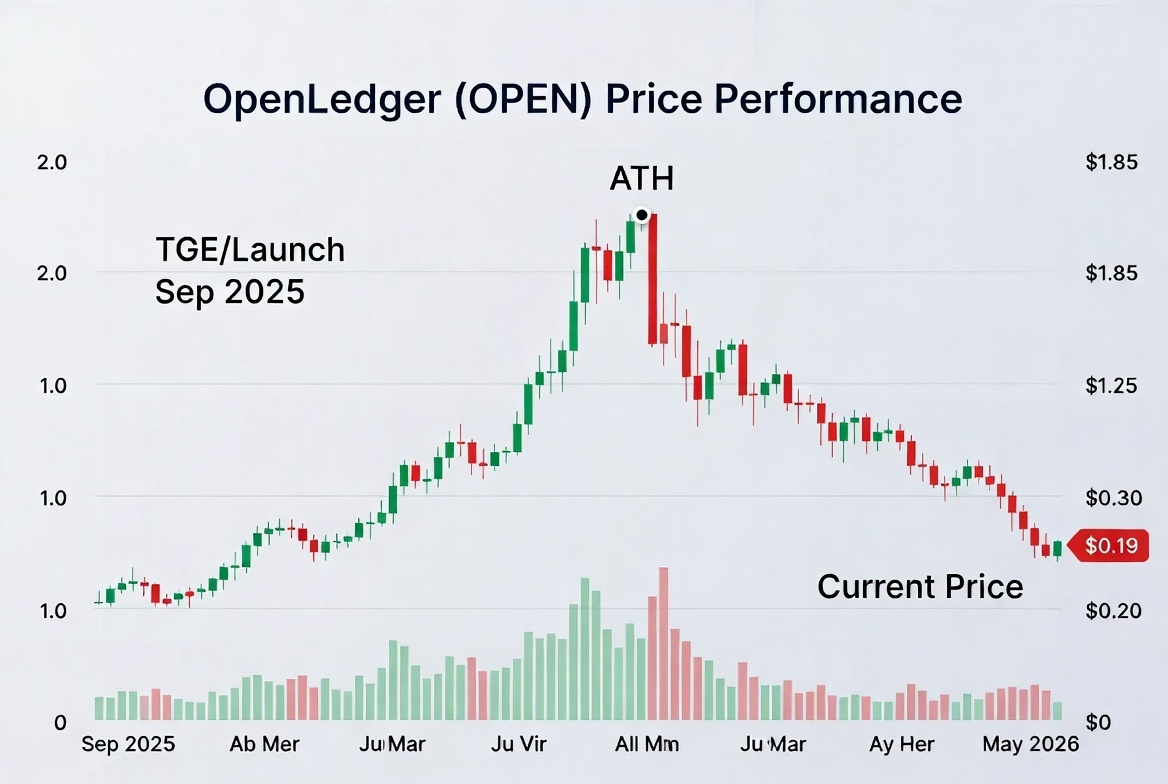
And that shift is what makes it a bit more interesting than usual projects.
If everything actually develops the way it’s being described, you could imagine a system where AI isn’t just something you use quietly in the background.
It becomes something like a marketplace.
Data could be shared with value attached to it. Models could be improved by multiple people instead of a single company. AI agents could actually perform tasks and generate rewards in return.
That’s the “idea” part at least.
Of course, whether it works in real life is a different story. Crypto projects often sound good in early stages, but execution decides everything.
Still, I can see why people are paying attention to it.
I’m not fully sold on anything in this space right now, and I think that’s healthy. OpenLedger included.
But I do like when a project tries to rethink how AI ownership works. Even if it’s early or incomplete, the direction matters.
It’s not about hype for me. It’s more like watching how the idea evolves over time.
If developers actually start building on it and real users interact with the system, then it might become something meaningful. If not, it stays just another concept in the AI+crypto mix.
We’ll see.
At the core, OpenLedger is basically trying to say one thing in its own way: AI shouldn’t be fully closed off.
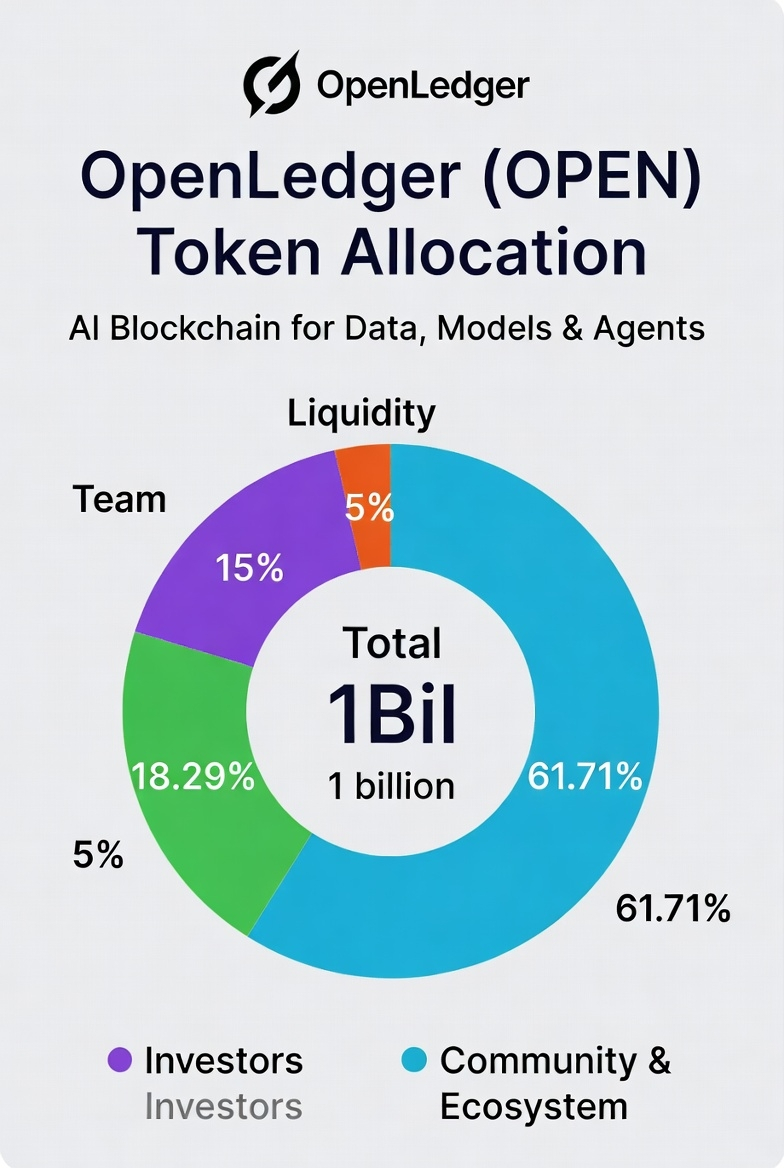
Whether that becomes reality or not is still unknown, but the direction is interesting enough to keep an eye on.
Let’s see @OpenLedger $OPEN #OpenLedger develops over time.