

Everyone’s chasing smarter AI. Almost no one is asking a harder question: what happens when it stops being one system?

The real problem isn’t intelligence anymore. It’s coordination. AI is shifting from isolated models into dense, interconnected environments—data flows, contributors, agents, feedback loops—all interacting at once. And when that happens, consistency becomes fragile. Small misalignments don’t crash the system; they compound quietly until trust erodes.
That’s the shift most people are missing.
In distributed systems, reliability isn’t about peak performance—it’s about whether thousands of independent parts can produce stable outcomes without constant oversight. Think less “model accuracy,” more “network coherence over time.”
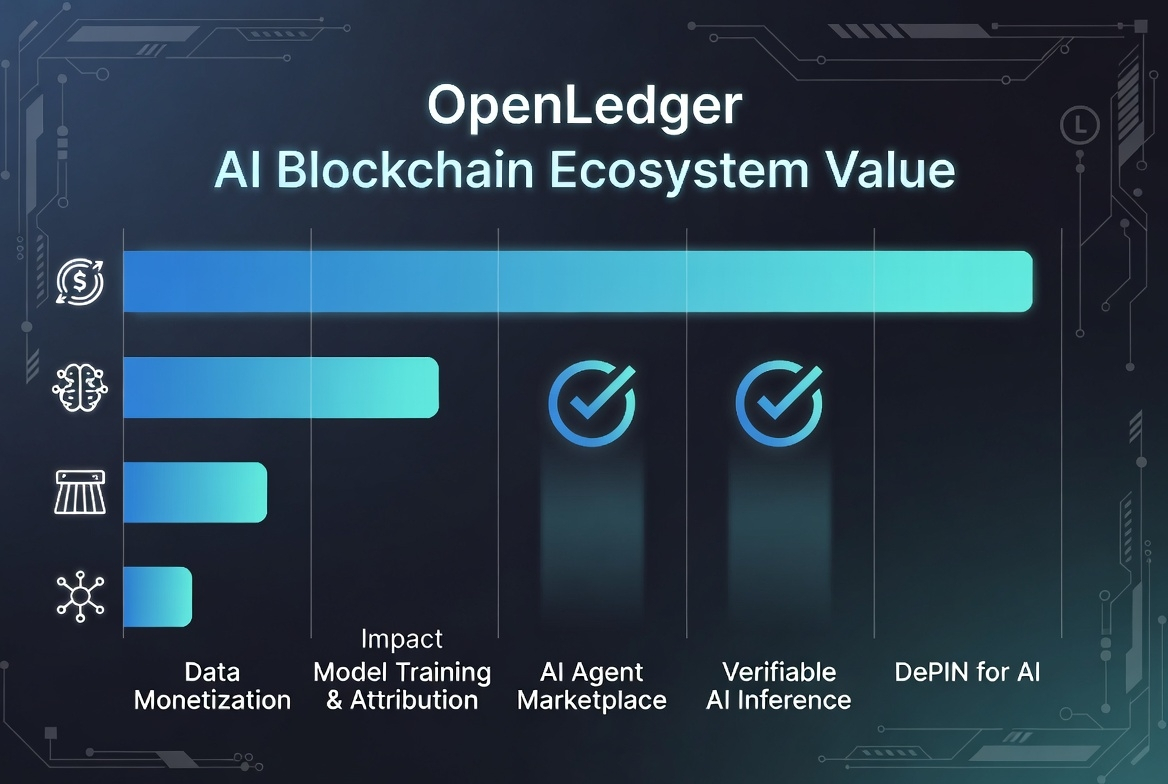
This is where @OpenLedger starts to feel different.
Instead of optimizing for outputs, it leans into structure: attribution, contribution flow, and coordination across participants. Not as features, but as the underlying logic that keeps the system from drifting. Because once AI environments become something people rely on daily, invisible consistency matters more than visible brilliance.
The strange part? Highly connected systems rarely fail loudly. They degrade. Gradually. Then all at once.
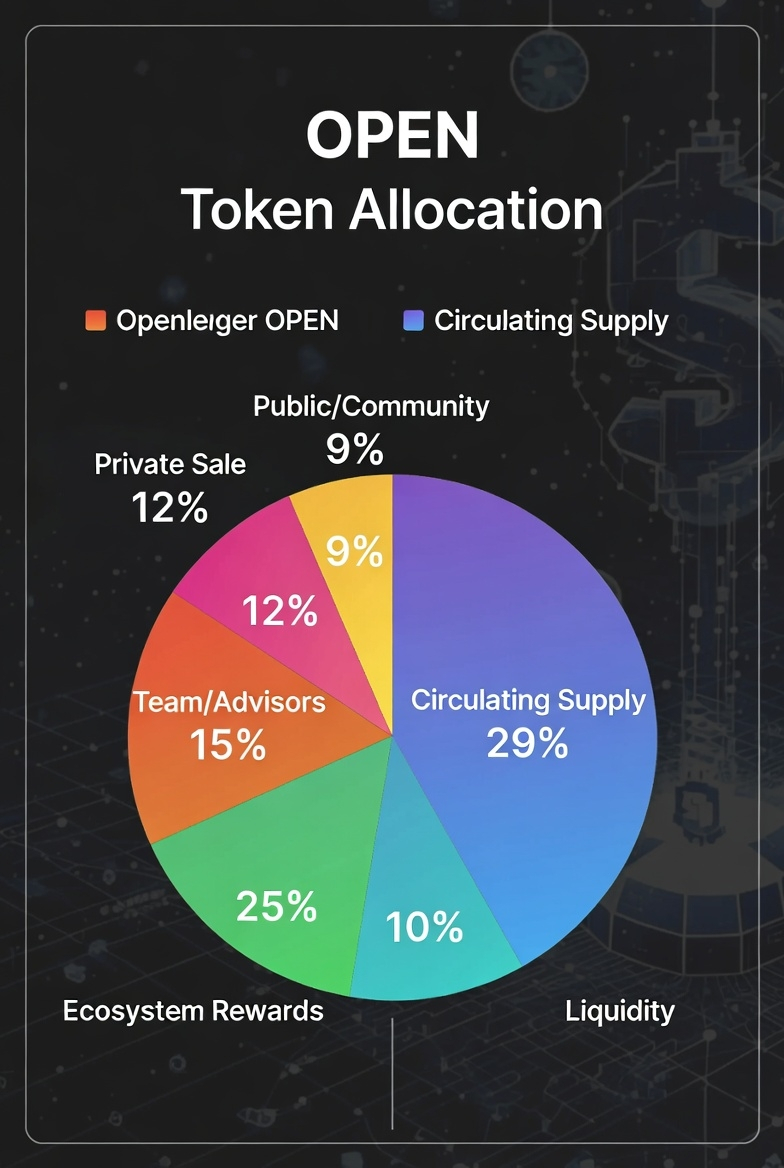
That’s why #OpenLedger tied to $OPEN stays on my radar—not for hype, but for how it approaches coordination under pressure.
In the long run, coherence beats intelligence.