
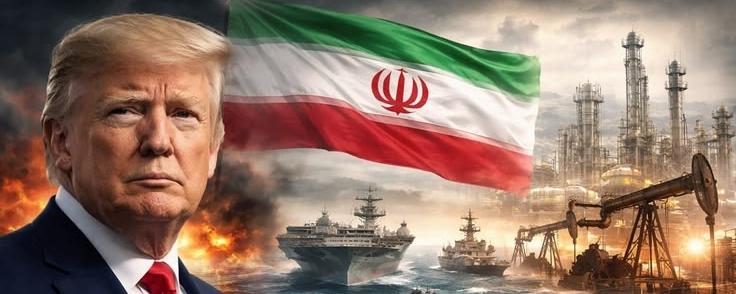
Reports of a U.S. draft memo considering the unfreezing of approximately $25 billion in Iranian assets have sparked significant debate among policymakers, analysts, and international observers. While details of the proposal remain uncertain, the discussion highlights the complex relationship between diplomacy, economic sanctions, and regional security in the Middle East.
For decades, the United States has imposed sanctions on Iran over concerns related to its nuclear program, regional activities, and alleged support for armed groups. These sanctions have restricted Iran’s access to international financial systems and frozen billions of dollars in assets held abroad. As a result, Iran has faced economic challenges, including reduced foreign investment, currency instability, and limitations on international trade.
The reported draft memo appears to be linked to broader diplomatic efforts aimed at easing tensions between Washington and Tehran. Supporters of such a move argue that limited sanctions relief or the release of frozen assets could encourage diplomatic engagement and create incentives for Iran to cooperate on key issues. These may include nuclear negotiations, regional security concerns, and humanitarian matters.
One of the primary arguments in favor of unfreezing Iranian assets is that many of the funds legally belong to Iran and could potentially be used for civilian purposes. Advocates suggest that access to these resources could help finance imports of essential goods, strengthen economic stability, and improve living conditions for ordinary Iranians. In some previous agreements, released funds were subject to monitoring mechanisms designed to ensure that they were spent on humanitarian needs such as food, medicine, and other basic necessities.
However, critics of the proposal argue that releasing such a large amount of money could weaken the effectiveness of sanctions and provide the Iranian government with additional financial flexibility. Opponents fear that even if restrictions are placed on how the funds are used, the economic benefits could indirectly support policies that the United States and its allies oppose. For this reason, any proposal involving frozen Iranian assets is likely to face intense scrutiny from lawmakers and security experts.
The timing of the reported memo is also important. Geopolitical tensions in the Middle East remain high, and many governments are seeking ways to reduce the risk of further conflict. Diplomatic initiatives often involve economic incentives, and access to frozen assets can serve as a powerful negotiating tool. By considering the release of some funds, $USDC . officials may be exploring options that could support broader diplomatic objectives without completely removing sanctions.
It is also possible that the proposal is part of a larger framework involving reciprocal actions from Iran. Historically, discussions about sanctions relief have often been tied to commitments regarding nuclear activities, inspections, or regional behavior. Any final agreement would likely require extensive negotiations and verification measures before implementation.
Ultimately, the consideration of unfreezing $25 billion in Iranian assets reflects the delicate balance between economic pressure and diplomatic engagement. While supporters see it as a potential pathway to dialogue and stability, critics view it as a risky concession. As discussions continue, the proposal underscores the challenges policymakers face when attempting to address complex international disputes through a combination of sanctions and diplomacy.