
Przez Orangel Gil / Wątpić to znaczy zdradzić.
Rynki cenią prawdopodobieństwo, a nie nagłówki
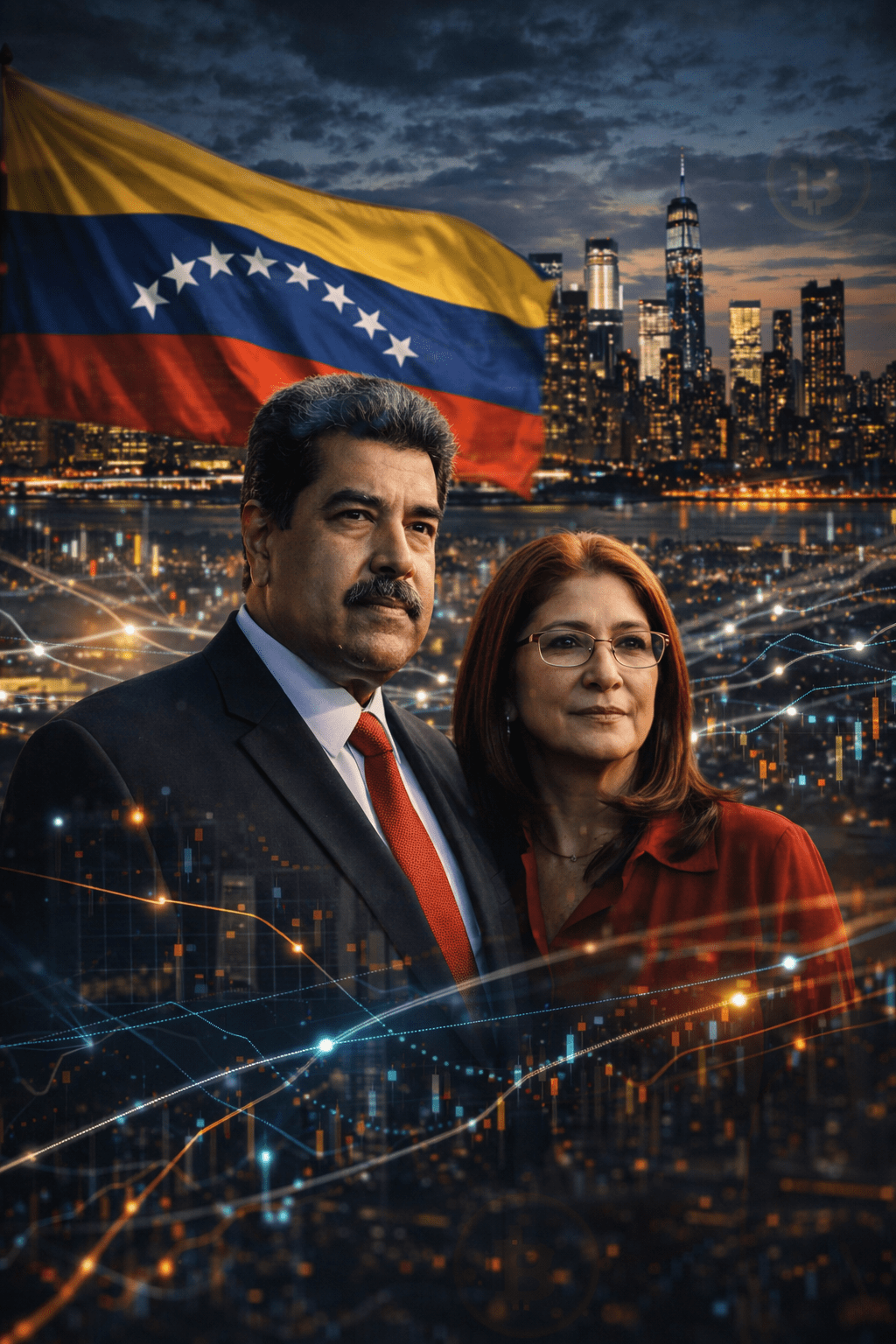
Globalne rynki finansowe coraz częściej reagują na prawdopodobne wyniki geopolityczne, a nie na potwierdzone wydarzenia. Rosnące naciski dyplomatyczne wokół Wenezueli i Stanów Zjednoczonych wprowadziły wysoki premię niepewności o dużym wpływie, już odzwierciedloną w surowcach, parach walut i aktywach cyfrowych.
W okresach takich jak ten rynki nie czekają na oświadczenia – poprzedzają wyniki.

Stres instytucjonalny wewnątrz Waszyngtonu.
Każda ważna zagraniczna operacja z udziałem suwerennego przywództwa — rzeczywistego lub domniemanego — wyzwala automatyczną kontrolę instytucjonalną w Stanach Zjednoczonych. Senat USA zachowuje konstytucyjną władzę nad działaniami wojskowymi i zagranicznymi, a presja polityczna szybko rośnie, gdy decyzje wykonawcze budzą międzynarodowy alarm.
Chuck Schumer, obecny lider większości w Senacie USA, wielokrotnie podkreślał, że władza wykonawcza musi pozostać odpowiedzialna przed demokratycznym nadzorem. Rynki interpretują tę dynamikę jako tarcie instytucjonalne, a nie stabilność.
Ten tarcie osłabia krótkoterminową wiarygodność polityki i zwiększa globalną awersję do ryzyka.
Dlaczego kryptowaluty reagują przed tradycyjnymi rynkami.
Aktywa kryptograficzne działają jako geopolitczne czujniki w czasie rzeczywistym:
Bitcoin pochłania kapitał szukający neutralności, oporu wobec cenzury i przenośności.
XRP przyciąga uwagę jako warstwa rozliczeniowa zgodna z regulacjami dla płynności transgranicznej.
Aktywa ryzyka regionalnego doświadczają asymetrycznej zmienności związanej z ekspozycją polityczną.
Jak powiedział Larry Fink, dyrektor generalny BlackRock, w 2024 roku:
„Fragmentacja geopolityczna przyspiesza cyfryzację i tokenizację wartości.”
To nie jest ideologia — to zachowanie kapitału.
Sankcje, suwerenność i przejście do neutralnej infrastruktury.
W regionach narażonych na sankcje lub presję dyplomatyczną, kryptowaluty są coraz częściej postrzegane jako strategiczna infrastruktura, a nie spekulacja.
Kristalina Georgieva, dyrektor zarządzająca MFW, przyznała, że:
„Aktywa cyfrowe są teraz wbudowane w globalny system finansowy i nie mogą być ignorowane przez decydentów.”
Bitcoin reprezentuje opcjonalność rezerwy nie-suverennej.
XRP reprezentuje efektywność transakcyjną w ramach regulacji.
Oba zyskują znaczenie w miarę erozji zaufania geopolitycznego.
Strategiczne pytanie, które zadają rynki.
Jeśli presja dyplomatyczna zmusi do deeskalacji, czy kapitał kryptograficzny się obróci — czy ryzyko geopolityczne na stałe przeliczyło globalne finanse?
\u003cc-82/\u003e
Zastrzeżenie: Niniejsza treść jest przeznaczona wyłącznie do celów edukacyjnych i analitycznych i nie stanowi porady finansowej, prawnej ani politycznej. Zawsze przeprowadzaj własne badania.