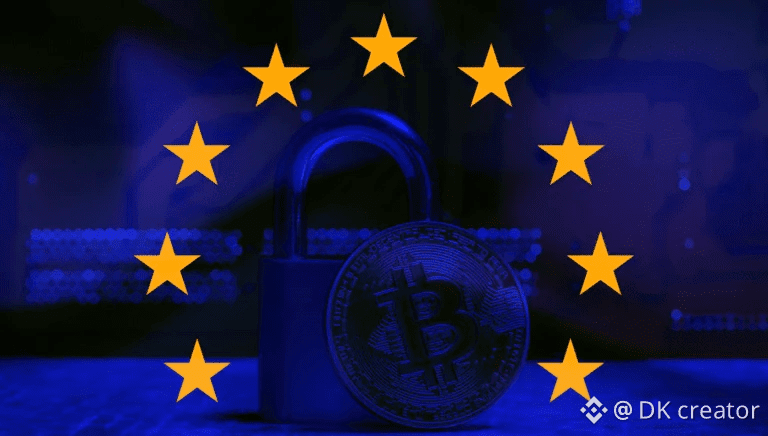
Europe’s crypto landscape is entering a new era — and privacy is paying the price.
With the implementation of stricter Anti-Money Laundering (AML) and Travel Rule regulations, crypto users across the European Union are facing increased surveillance and reduced anonymity. Exchanges and service providers are now required to collect, verify, and share detailed user information for transactions, including wallet ownership data — even for self-custodied wallets.
While regulators argue these measures are necessary to combat illicit finance and protect consumers, critics warn they undermine one of crypto’s core principles: financial privacy. Smaller platforms may struggle with compliance costs, potentially driving innovation out of the region or pushing users toward decentralized and non-custodial alternatives.
For everyday users, this shift means fewer private transactions, more data exposure, and growing concerns over how sensitive financial information is stored and shared. For the industry, it raises a critical question: can crypto remain permissionless and decentralized under increasingly centralized oversight?
As Europe tightens its grip, the global crypto community will be watching closely. The balance between regulation and privacy may define the next chapter of digital finance — not just in Europe, but worldwide.